Kaushik Ajeet, Tiwari Sneham, Jayant Rahul D, Vashist Arti, Nikkhah-Moshaie Roozbeh, El-Hage Nazira, Nair Madhavan
Center for Personalized Nanomedicine, Institute of NeuroImmune Pharmacology, Department of Immunology, Herbert Wertheim College of Medicine, Florida International University, Miami, FL, USA.
Center for Personalized Nanomedicine, Institute of NeuroImmune Pharmacology, Department of Immunology, Herbert Wertheim College of Medicine, Florida International University, Miami, FL, USA.
Trends Biotechnol. 2017 Apr;35(4):308-317. doi: 10.1016/j.tibtech.2016.10.001. Epub 2016 Oct 26.
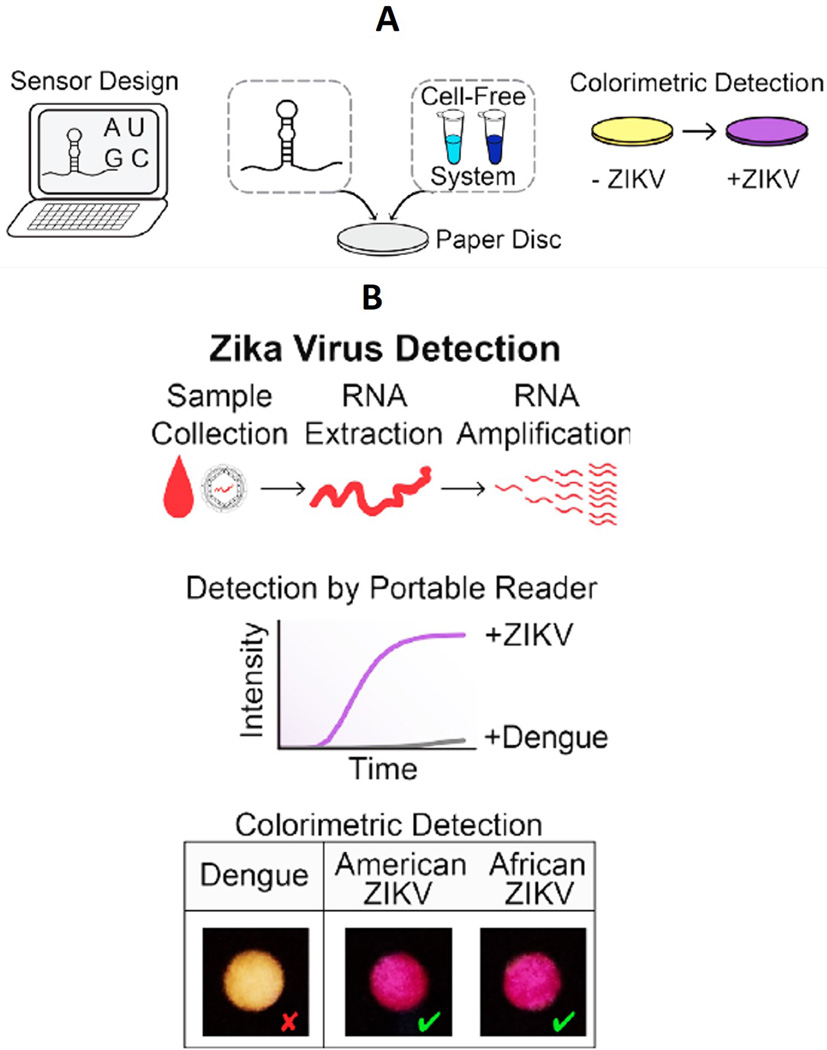
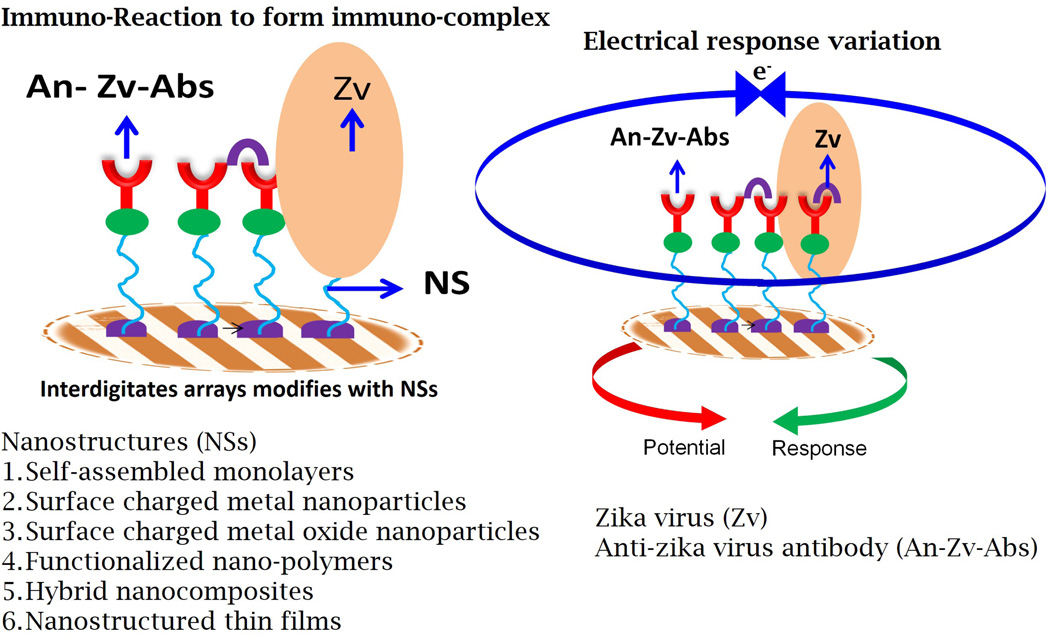
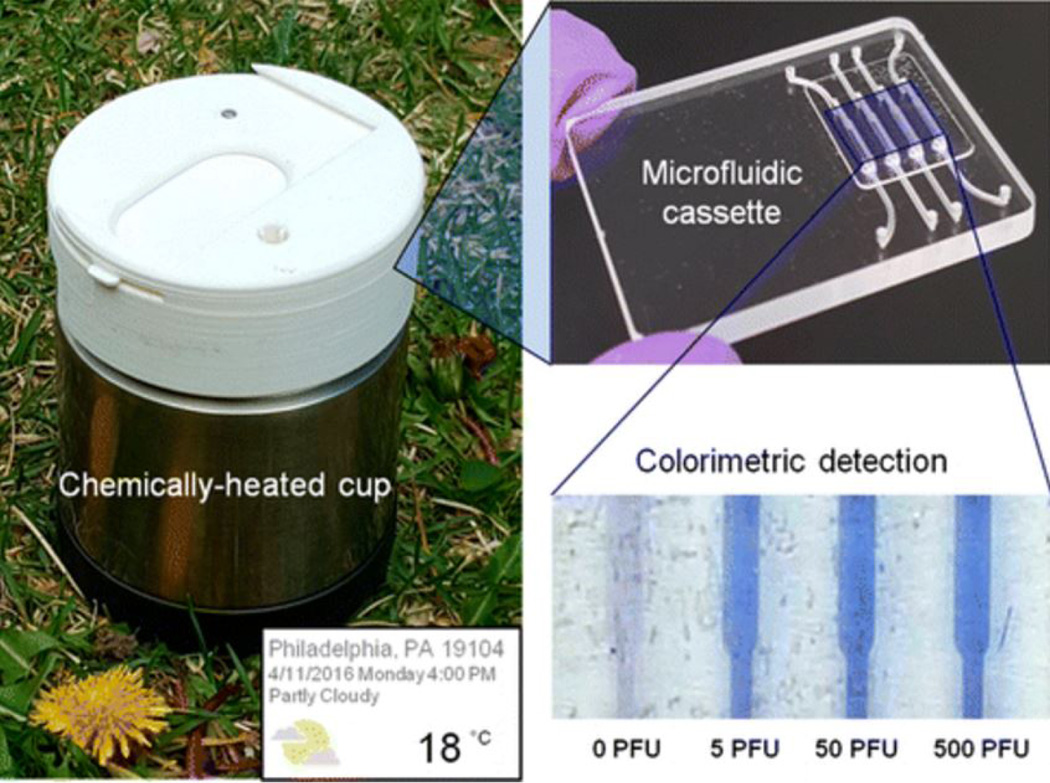
Health agencies have declared the recent Zika virus (ZIKV) infection an epidemic and a public health emergency of global concern due to its association with microcephaly and serious neurological disorders. The unavailability of effective drugs, vaccines, and diagnostic tools increases the demand for efficient analytical devices to detect ZIKV infection. However, high costs, longer diagnostic times, and stringent expertise requirements limit the utility of reverse transcriptase-PCR methods for rapid diagnostics. Therefore, developing portable, sensitive, selective, and cost-effective sensing systems to detect ZIKV at picomolar concentrations in biofluids would be a breakthrough in diagnostics and therapeutics. This paper highlights the advancements in developing smart sensing strategies to monitor ZIKV progression, with rapid point-of-care diagnostics as the ultimate aim.
卫生机构已宣布近期的寨卡病毒(ZIKV)感染为流行病,并将其列为全球关注的突发公共卫生事件,因为它与小头畸形和严重神经疾病有关。由于缺乏有效的药物、疫苗和诊断工具,对用于检测寨卡病毒感染的高效分析设备的需求增加。然而,高成本、较长的诊断时间以及严格的专业知识要求限制了逆转录聚合酶链反应(RT-PCR)方法在快速诊断中的应用。因此,开发能够在生物流体中以皮摩尔浓度检测寨卡病毒的便携式、灵敏、选择性和经济高效的传感系统,将是诊断和治疗领域的一项突破。本文重点介绍了在开发智能传感策略以监测寨卡病毒进展方面取得的进展,最终目标是实现快速即时诊断。