Chhatbar Pratik Y, Chen Rong, Deardorff Rachael, Dellenbach Blair, Kautz Steven A, George Mark S, Feng Wuwei
Department of Neurology, College of Medicine, Medical University of South Carolina, Charleston, SC, USA.
Center for Biomedical Imaging, Medical University of South Carolina, Charleston, SC, USA.
Brain Stimul. 2017 May-Jun;10(3):553-559. doi: 10.1016/j.brs.2017.02.007. Epub 2017 Feb 27.
A prior meta-analysis revealed that higher doses of transcranial direct current stimulation (tDCS) have a better post-stroke upper-extremity motor recovery. While this finding suggests that currents greater than the typically used 2 mA may be more efficacious, the safety and tolerability of higher currents have not been assessed in stroke patients. We aim to assess the safety and tolerability of single session of up to 4 mA in stroke patients.
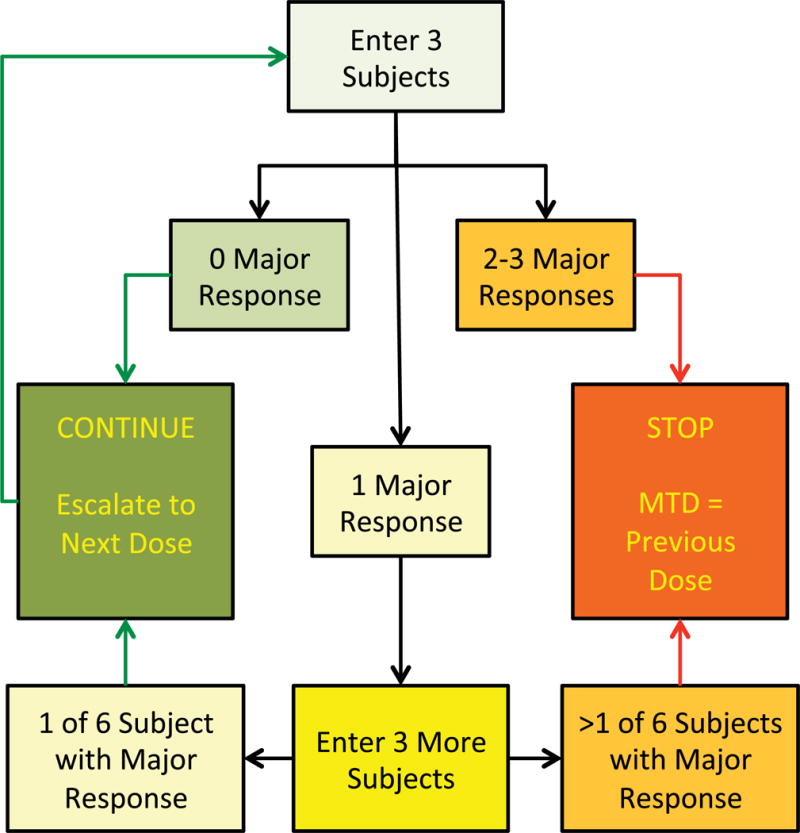
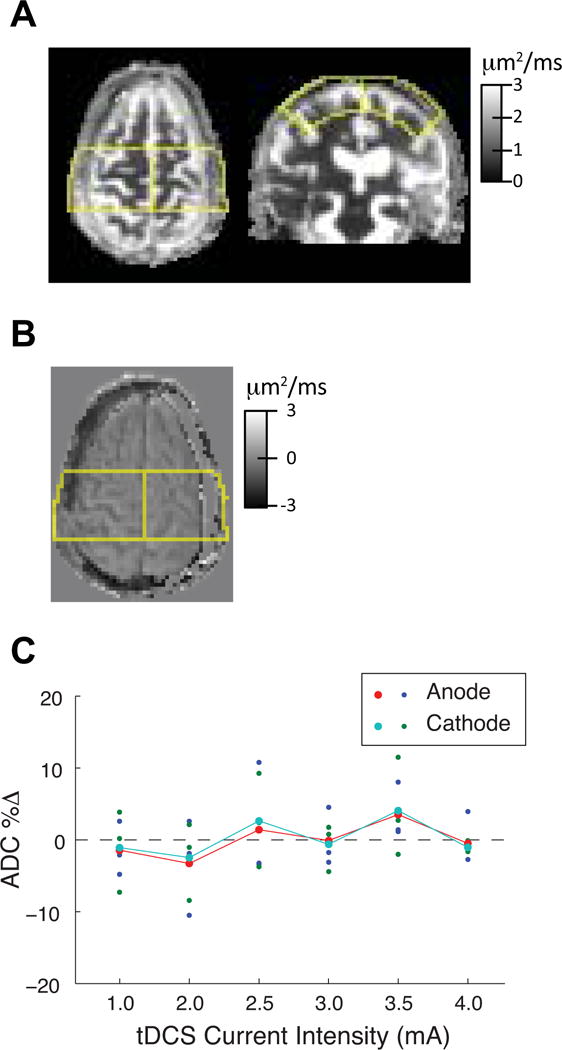
We adapted a traditional 3 + 3 study design with a current escalation schedule of 1»2»2.5»3»3.5»4 mA for this tDCS safety study. We administered one 30-min session of bihemispheric montage tDCS and simultaneous customary occupational therapy to patients with first-ever ischemic stroke. We assessed safety with pre-defined stopping rules and investigated tolerability through a questionnaire. Additionally, we monitored body resistance and skin temperature in real-time at the electrode contact site.
Eighteen patients completed the study. The current was escalated to 4 mA without meeting the pre-defined stopping rules or causing any major safety concern. 50% of patients experienced transient skin redness without injury. No rise in temperature (range 26°C-35 °C) was noted and skin barrier function remained intact (i.e. body resistance >1 kΩ).
Our phase I safety study supports that single session of bihemispheric tDCS with current up to 4 mA is safe and tolerable in stroke patients. A phase II study to further test the safety and preliminary efficacy with multi-session tDCS at 4 mA (as compared with lower current and sham stimulation) is a logical next step. ClinicalTrials.gov Identifier: NCT02763826.
先前的一项荟萃分析显示,较高剂量的经颅直流电刺激(tDCS)对中风后上肢运动功能恢复效果更佳。虽然这一发现表明,大于常用的2毫安电流可能更有效,但尚未对中风患者中较高电流的安全性和耐受性进行评估。我们旨在评估中风患者单次接受高达4毫安电流的安全性和耐受性。
我们采用传统的3+3研究设计,在本次tDCS安全性研究中,电流递增方案为1»2»2.5»3»3.5»4毫安。我们对首次发生缺血性中风的患者进行了一次30分钟的双侧半球组合tDCS治疗,并同时进行常规职业治疗。我们根据预先定义的停止规则评估安全性,并通过问卷调查来研究耐受性。此外,我们实时监测电极接触部位的身体电阻和皮肤温度。
18名患者完成了研究。电流递增至4毫安,未达到预先定义的停止规则,也未引起任何重大安全问题。50%的患者出现短暂性皮肤发红但未受伤。未观察到温度升高(范围为26°C至35°C),皮肤屏障功能保持完好(即身体电阻>1千欧)。
我们的I期安全性研究表明,中风患者单次接受高达4毫安电流的双侧半球tDCS是安全且耐受性良好的。下一步合理的做法是开展II期研究,以进一步测试4毫安多疗程tDCS的安全性和初步疗效(与较低电流和假刺激相比)。ClinicalTrials.gov标识符:NCT02763826。