Arab Dolatabadi A, Mahboubi M
Department of Biology, Payame Noor University, I.R. of Iran.
Abadan School of Medical Sciences, Abadan, Iran.
J Med Life. 2015;8(Spec Iss 3):72-76.
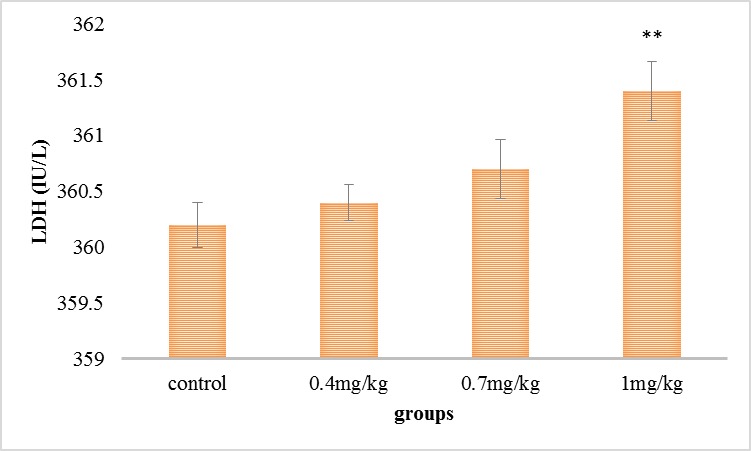
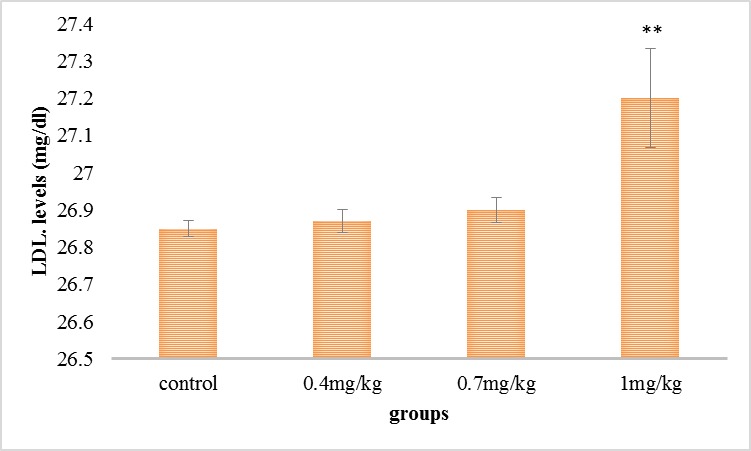
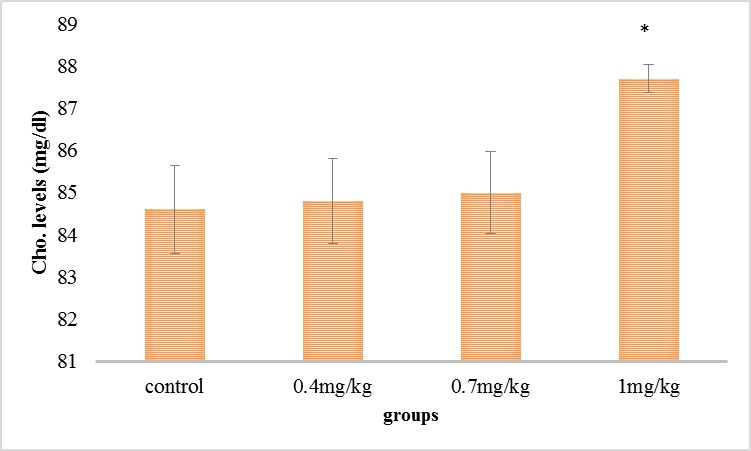
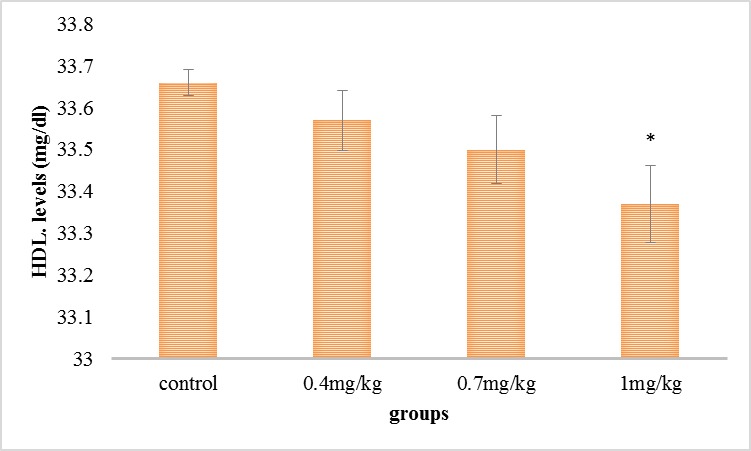
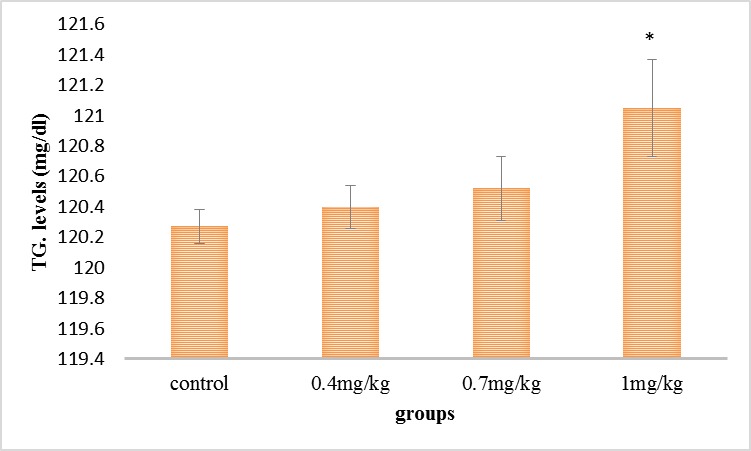
Dexamethasone is an exceptionally applied glucocorticoid unfortunately prescribed too much. This drug is attached to its receptors in the cytoplasm by going through the cell layer, and opens the cell nucleus by the drug-receptor system, being ultimately responsible for systematic effects of corticosteroids. This study was conducted to explore the influence of dexamethasone on serum level of some biochemical parameters in adult men rats. 40 adult male rats were put into 4 test and check collections. The test collection only received saline and the experimental group received dexamethasone of 0.4, 0.7, and 1 mg/ kg doses daily in the form of intraperitoneal inoculation of 1 mL/ day. After serum separation, the serum value of cholesterol, triglycerides (TG), low-density lipoprotein (LDL), high-density lipoprotein (HDL) and lactate dehydrogenase were measured and the outcomes were examined by using SPSS and Dunnett software. The test of lipid profile and lactate dehydrogenase was done by using the biochemistry tools and the collections were examined. In this research, meaningful differences in the application of the above hormones were not observed up to 0.7 mg/ kg dose. However, important differences were seen in higher doses i.e. 1mg/ kg in the test collection associated with the administration group (P<0.05). The final result was that the injection of dexamethasone followed in the development of cholesterol and adverse lipid and it could cause tissue damage by increasing lactate dehydrogenase.
地塞米松是一种应用广泛的糖皮质激素,但不幸的是其处方用量过多。这种药物通过细胞膜进入细胞质并与受体结合,通过药物 - 受体系统打开细胞核,最终导致皮质类固醇的全身效应。本研究旨在探讨地塞米松对成年雄性大鼠某些生化参数血清水平的影响。将40只成年雄性大鼠分为4组进行检测。对照组仅接受生理盐水,实验组每天以1 mL/天的腹腔注射形式接受0.4、0.7和1 mg/kg剂量的地塞米松。血清分离后,测量胆固醇、甘油三酯(TG)、低密度脂蛋白(LDL)、高密度脂蛋白(HDL)和乳酸脱氢酶的血清值,并使用SPSS和Dunnett软件检查结果。使用生化工具进行血脂谱和乳酸脱氢酶检测并检查样本。在本研究中,剂量高达0.7 mg/kg时未观察到上述激素应用的显著差异。然而,在较高剂量即1mg/kg时,与给药组相关的对照组出现了显著差异(P<0.05)。最终结果是,注射地塞米松会导致胆固醇升高和不良血脂变化,并可能通过增加乳酸脱氢酶导致组织损伤。