Ravn Astrid-Helene, Thyssen Jacob P, Egeberg Alexander
Department of Dermatology and Allergy, Herlev and Gentofte Hospital, University of Copenhagen, Hellerup, Denmark.
Clin Cosmet Investig Dermatol. 2017 Mar 9;10:87-92. doi: 10.2147/CCID.S130319. eCollection 2017.
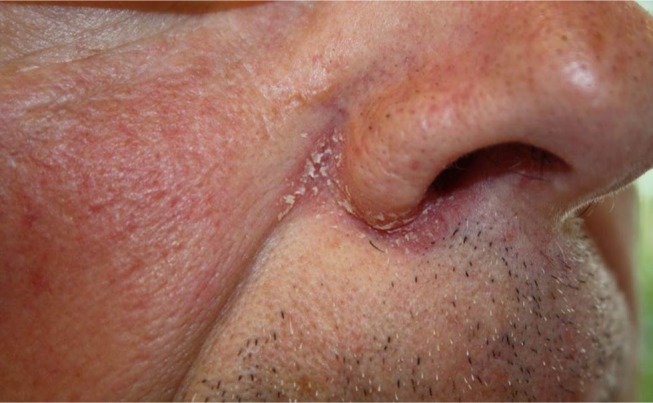
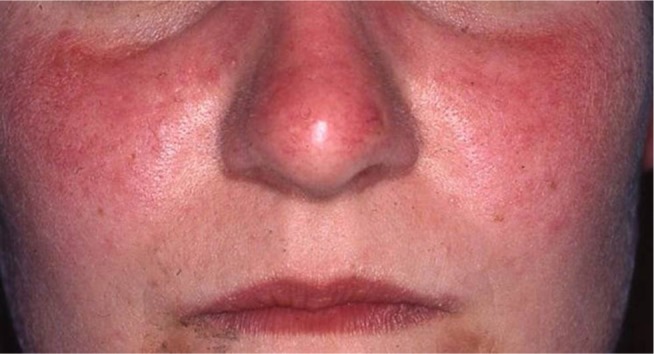
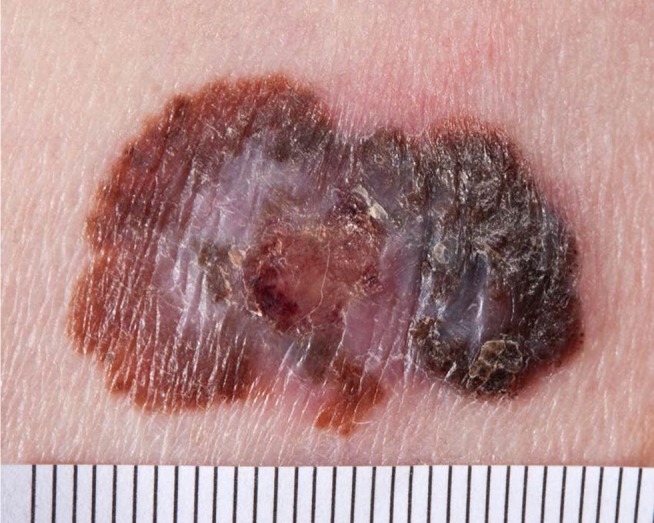
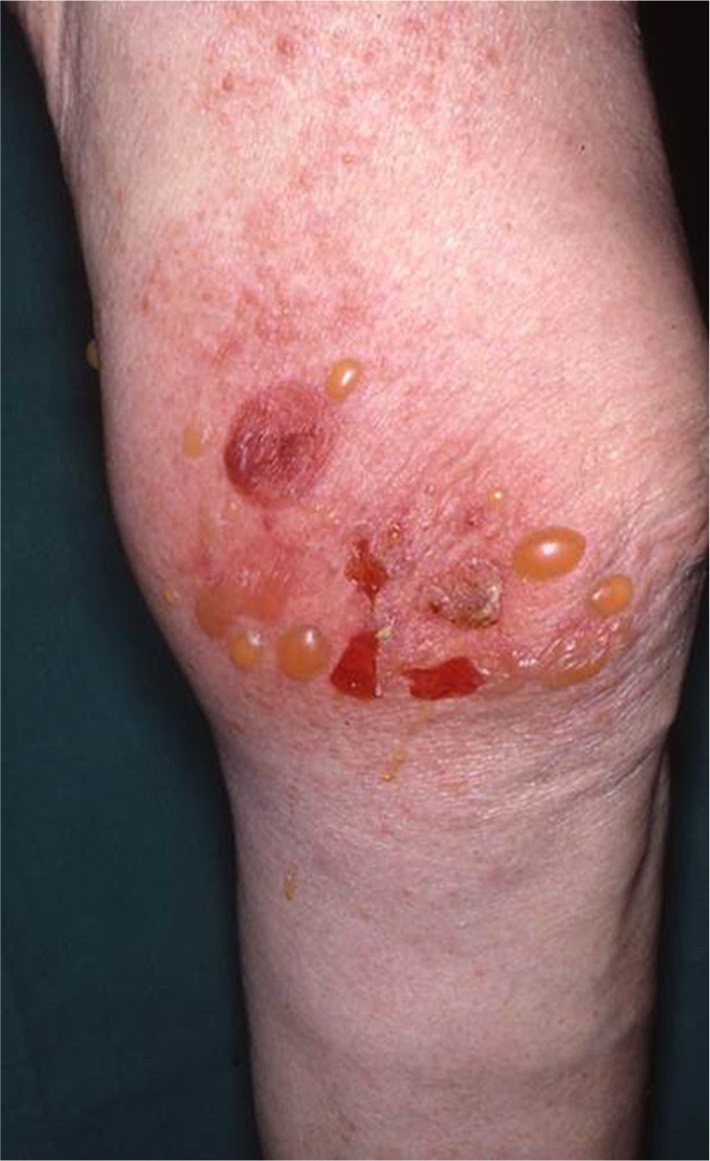
Parkinson's disease (PD) is one of the most common neurodegenerative disorders, characterized by a symptom triad comprising resting tremor, rigidity, and akinesia. In addition, non-motor symptoms of PD are well recognized and often precede the overt motor manifestations. Cutaneous manifestations as markers of PD have long been discussed, and cumulative evidence shows an increased prevalence of certain dermatological disorders in PD. Seborrheic dermatitis is considered to occur as a premotor feature of PD referable to dysregulation of the autonomic nervous system. Also, an increased risk of melanoma has been observed in PD. Light hair color is a known risk factor for melanoma, and interestingly the risk of PD is found to be significantly higher in individuals with light hair color and particularly with red hair. Furthermore, several studies have reported a high prevalence of PD in patients with bullous pemphigoid. Moreover, a 2-fold increase in risk of new-onset PD has been observed in patients with rosacea. Besides the association between PD and various dermatological disorders, the skin may be useful in the diagnosis of PD. Early PD pathology is found not only in the brain but also in extra-neuronal tissues. Thus, the protein α-synuclein, which is genetically associated with PD, is present not only in the CNS but also in the skin. Hence, higher values of α-synuclein have been observed in the skin of patients with PD. Furthermore, an increased risk of PD has been found in the Cys/Cys genotype, which is associated with red hair color. In this review, we summarize the current evidence of the association between PD and dermatological disorders, the cutaneous adverse effects of neurological medications, and describe the potential of skin protein expression and biomarkers in identification of risk and diagnosis of PD.
帕金森病(PD)是最常见的神经退行性疾病之一,其特征为包括静止性震颤、肌强直和运动迟缓的症状三联征。此外,PD的非运动症状已得到充分认识,且通常先于明显的运动表现出现。长期以来,皮肤表现作为PD的标志物一直受到讨论,越来越多的证据表明PD患者中某些皮肤病的患病率增加。脂溢性皮炎被认为是PD的运动前特征,与自主神经系统失调有关。此外,已观察到PD患者患黑色素瘤的风险增加。浅色头发是黑色素瘤的已知危险因素,有趣的是,浅色头发尤其是红发个体患PD的风险显著更高。此外,多项研究报告大疱性类天疱疮患者中PD的患病率较高。而且,已观察到酒渣鼻患者新发PD的风险增加两倍。除了PD与各种皮肤病之间的关联外,皮肤可能有助于PD的诊断。早期PD病理不仅存在于大脑中,也存在于神经外组织中。因此,与PD存在遗传关联的α-突触核蛋白不仅存在于中枢神经系统中,也存在于皮肤中。因此,在PD患者的皮肤中观察到α-突触核蛋白水平较高。此外,已发现与红发颜色相关的Cys/Cys基因型个体患PD的风险增加。在本综述中,我们总结了目前关于PD与皮肤病之间关联、神经科药物的皮肤不良反应的证据,并描述了皮肤蛋白表达和生物标志物在识别PD风险和诊断中的潜力。