Zanni Elena, Chandraiahgari Chandrakanth Reddy, De Bellis Giovanni, Montereali Maria Rita, Armiento Giovanna, Ballirano Paolo, Polimeni Antonella, Sarto Maria Sabrina, Uccelletti Daniela
BBCD, Department of Biology and Biotechnology, Sapienza University of Rome, Rome 00185, Italy.
SNN Lab, Sapienza Nanotechnology & Nano-Science Laboratory, Sapienza University of Rome, Rome 00185, Italy.
Nanomaterials (Basel). 2016 Sep 29;6(10):179. doi: 10.3390/nano6100179.
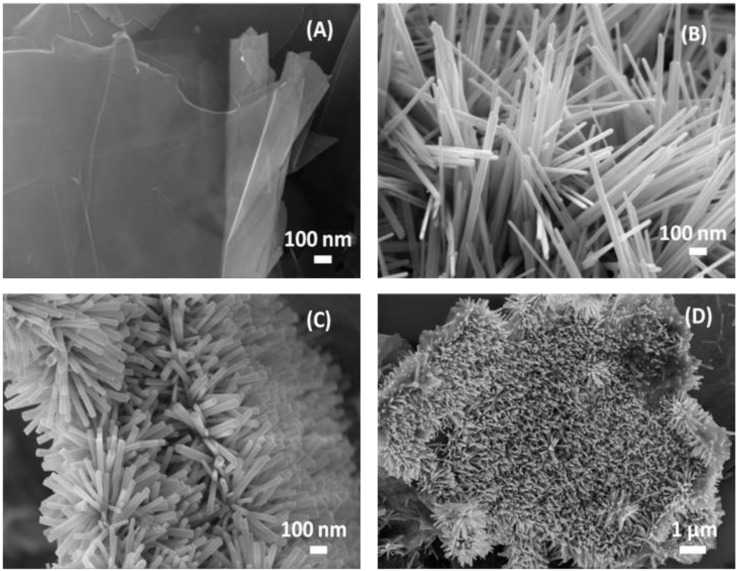
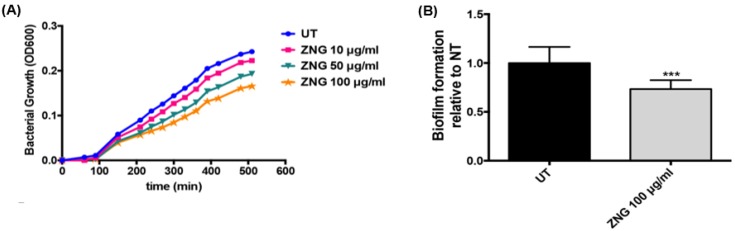
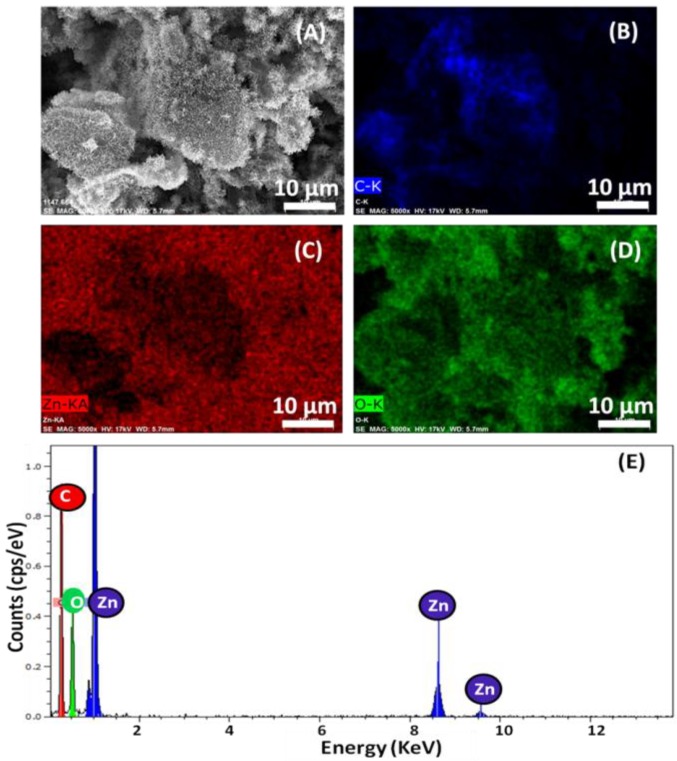
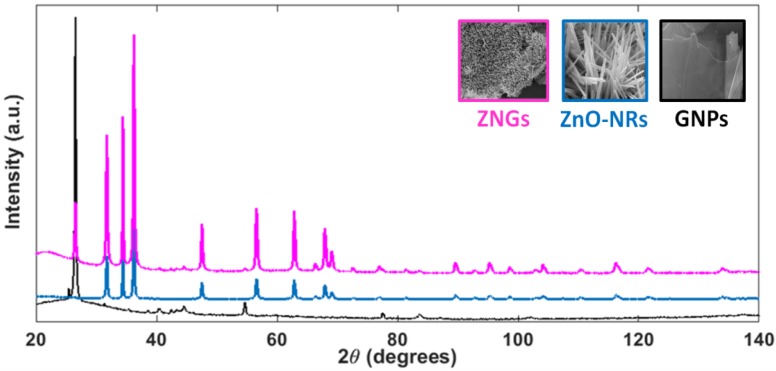
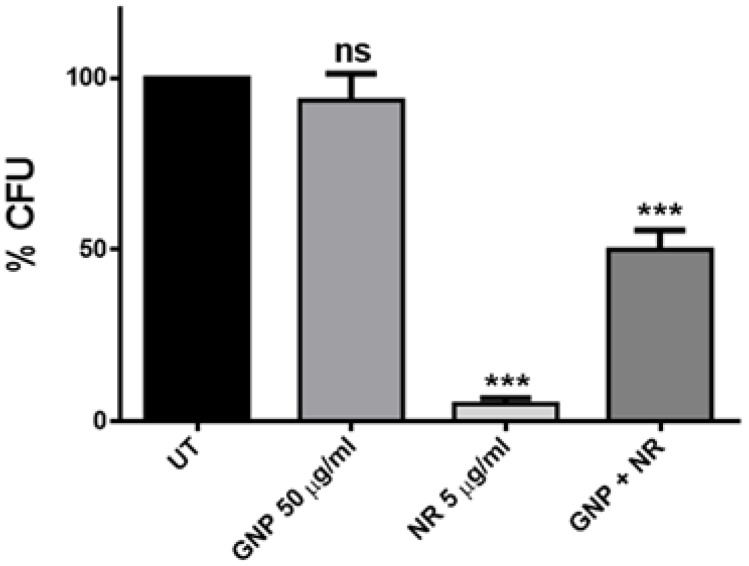
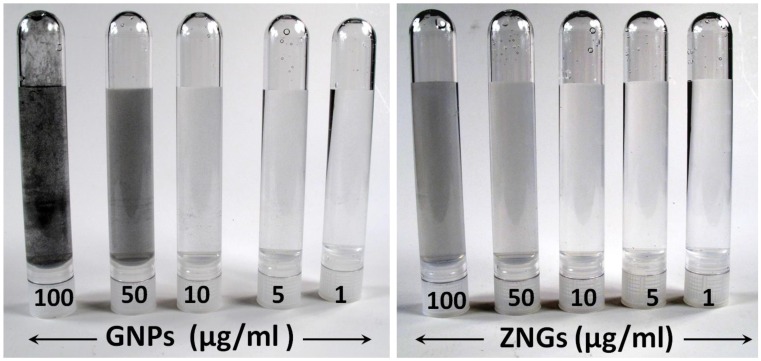
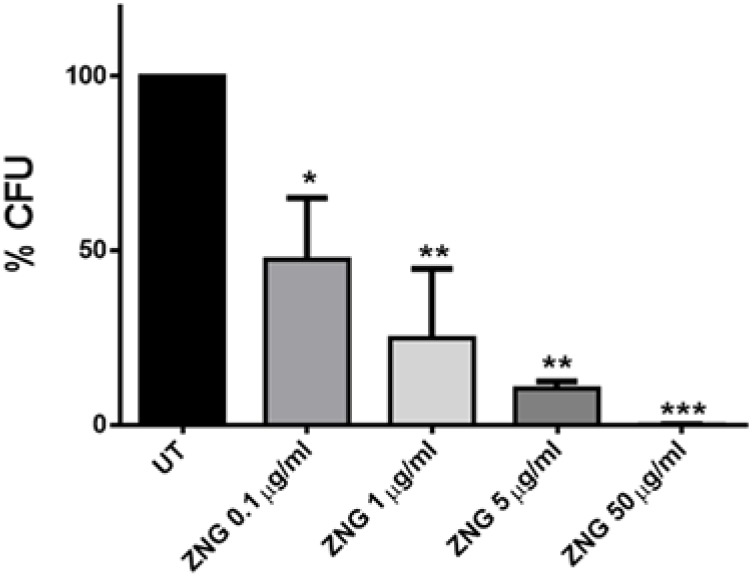
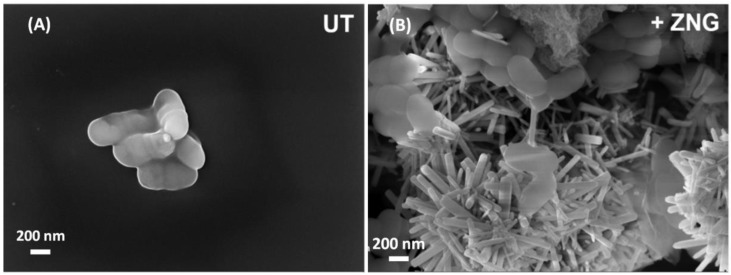
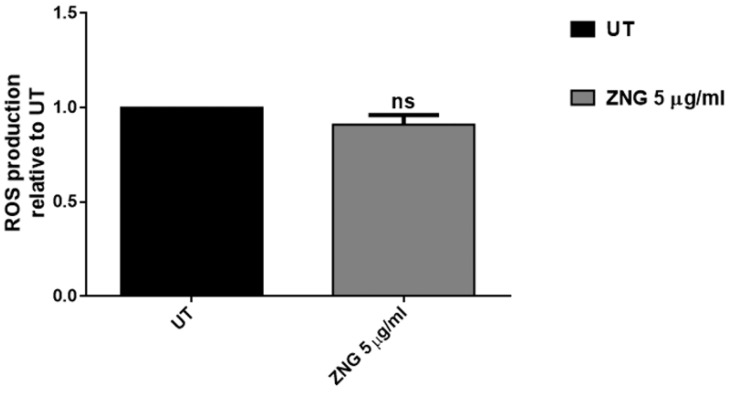
Nanomaterials are revolutionizing the field of medicine to improve the quality of life due to the myriad of applications stemming from their unique properties, including the antimicrobial activity against pathogens. In this study, the antimicrobial and antibiofilm properties of a novel nanomaterial composed by zinc oxide nanorods-decorated graphene nanoplatelets (ZNGs) are investigated. ZNGs were produced by hydrothermal method and characterized through field-emission scanning electron microscopy (FE-SEM), energy-dispersive X-ray spectroscopy (EDX) and X-ray diffraction (XRD) techniques. The antimicrobial activity of ZNGs was evaluated against , the main bacteriological agent in the etiology of dental caries. Cell viability assay demonstrated that ZNGs exerted a strikingly high killing effect on cells in a dose-dependent manner. Moreover, FE-SEM analysis revealed relevant mechanical damages exerted by ZNGs at the cell surface of this dental pathogen rather than reactive oxygen species (ROS) generation. In addition, inductively coupled plasma mass spectrometry (ICP-MS) measurements showed negligible zinc dissolution, demonstrating that zinc ion release in the suspension is not associated with the high cell mortality rate. Finally, our data indicated that also biofilm formation was affected by the presence of graphene-zinc oxide (ZnO) based material, as witnessed by the safranin staining and growth curve analysis. Therefore, ZNGs can be a remarkable nanobactericide against one of the main dental pathogens. The potential applications in dental care and therapy are very promising.
纳米材料因其独特性能所衍生的众多应用,正在革新医学领域,以提高生活质量,其中包括对病原体的抗菌活性。在本研究中,对一种由氧化锌纳米棒修饰的石墨烯纳米片(ZNGs)组成的新型纳米材料的抗菌和抗生物膜特性进行了研究。ZNGs通过水热法制备,并通过场发射扫描电子显微镜(FE-SEM)、能量色散X射线光谱(EDX)和X射线衍射(XRD)技术进行表征。评估了ZNGs对龋齿病因中主要细菌病原体的抗菌活性。细胞活力测定表明,ZNGs对该细菌细胞具有显著的高杀伤作用,且呈剂量依赖性。此外,FE-SEM分析显示,ZNGs对这种牙科病原体的细胞表面造成了相关的机械损伤,而非产生活性氧(ROS)。此外,电感耦合等离子体质谱(ICP-MS)测量显示锌溶解可忽略不计,表明悬浮液中的锌离子释放与高细胞死亡率无关。最后,我们的数据表明,基于石墨烯-氧化锌(ZnO)的材料的存在也会影响生物膜的形成,番红染色和生长曲线分析证明了这一点。因此,ZNGs可以成为一种针对主要牙科病原体之一的卓越纳米杀菌剂。在牙科护理和治疗中的潜在应用前景非常广阔。