Zhang Wanwei, Ronca Sara, Mele Elisa
Department of Materials, Loughborough University, Loughborough LE11 3TU, UK.
Nanomaterials (Basel). 2017 Feb 15;7(2):42. doi: 10.3390/nano7020042.
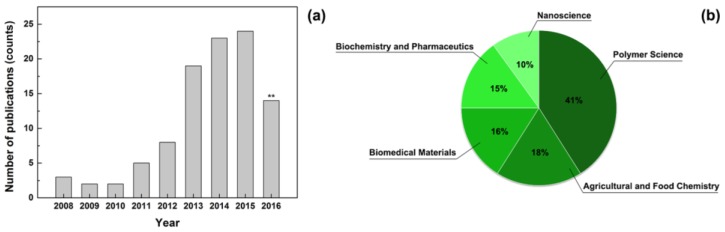
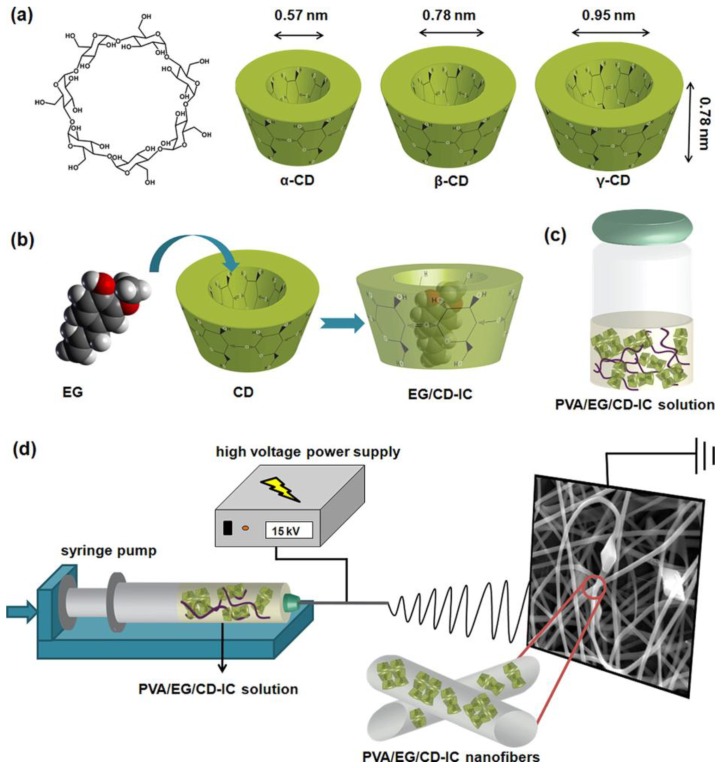
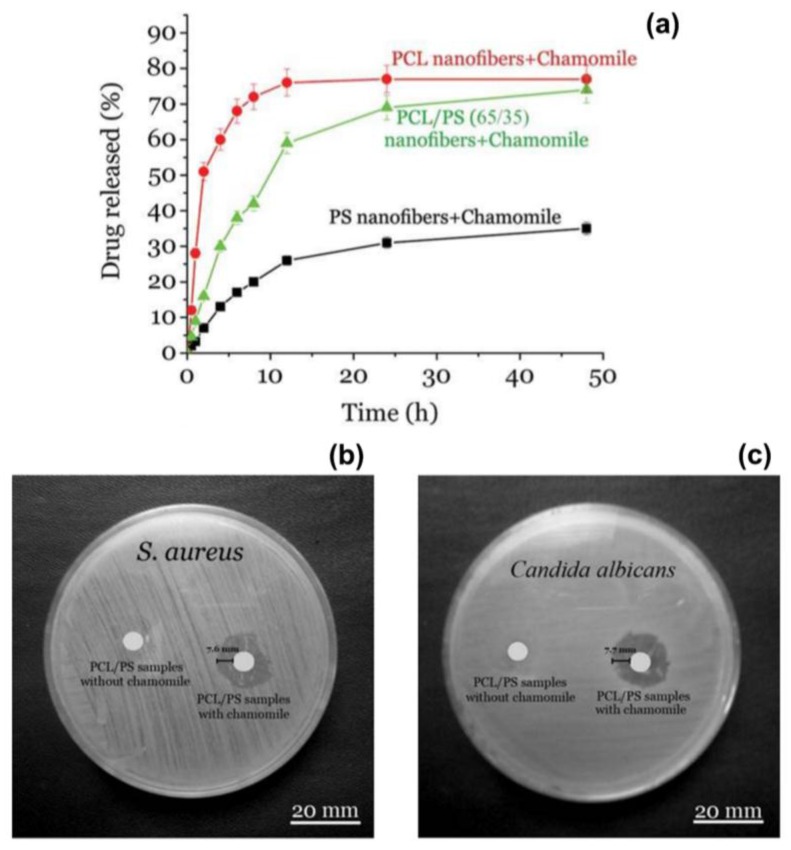
Over the last 10 years great research interest has been directed toward nanofibrous architectures produced by electrospinning bioactive plant extracts. The resulting structures possess antimicrobial, anti-inflammatory, and anti-oxidant activity, which are attractive for biomedical applications and food industry. This review describes the diverse approaches that have been developed to produce electrospun nanofibres that are able to deliver naturally-derived chemical compounds in a controlled way and to prevent their degradation. The efficacy of those composite nanofibres as wound dressings, scaffolds for tissue engineering, and active food packaging systems will be discussed.
在过去十年中,人们对通过静电纺丝生物活性植物提取物制备的纳米纤维结构产生了浓厚的研究兴趣。所得到的结构具有抗菌、抗炎和抗氧化活性,这对于生物医学应用和食品工业具有吸引力。本文综述了已开发出的多种方法,用于制备能够以可控方式递送天然衍生化合物并防止其降解的静电纺纳米纤维。将讨论这些复合纳米纤维作为伤口敷料、组织工程支架和活性食品包装系统的功效。