Bibi Shima, Kang Yifei, Du Min, Zhu Mei-Jun
School of Food Science, Washington State University, Pullman, Washington, USA.
Department of Animal Science, Washington State University, Pullman, Washington, USA.
Obesity (Silver Spring). 2017 May;25(5):901-908. doi: 10.1002/oby.21816. Epub 2017 Mar 24.
Maternal high-fat diet (HFD) may alter the offspring intestinal immune system, thereby enhancing susceptibility toward inflammatory bowel disease. The objective of the current study was to investigate the impact of maternal HFD on offspring intestinal health using a mouse model of dextran sulfate sodium (DSS)-induced colitis.
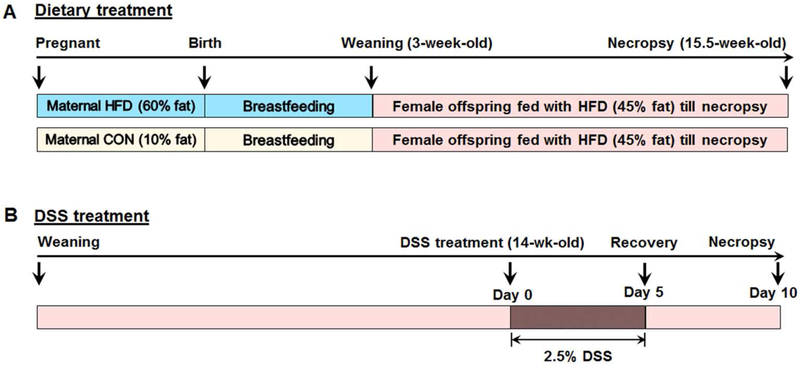
Dams were provided with either HFD (60%) or control diet. After weaning, female offspring from both groups were kept on 45% HFD. At 14 weeks of age, offspring were subjected to 2.5% DSS in drinking water for 5 days, followed by 5 days of recovery.
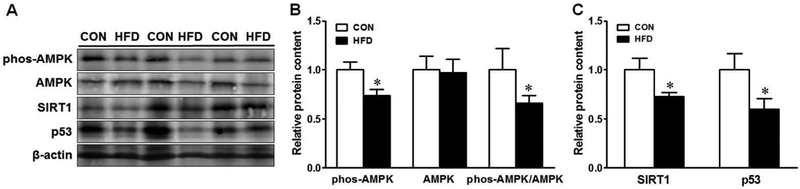
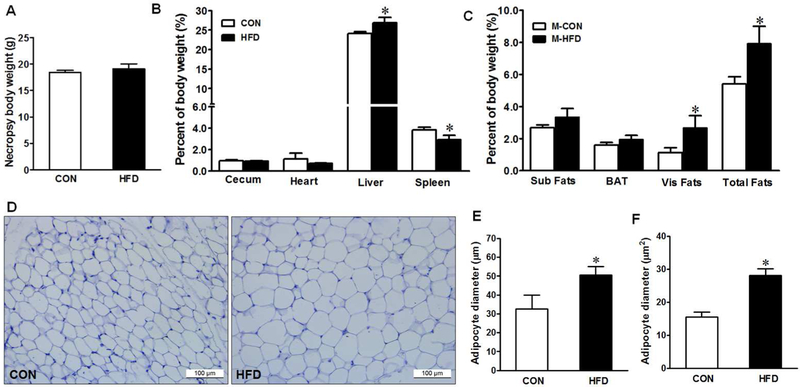
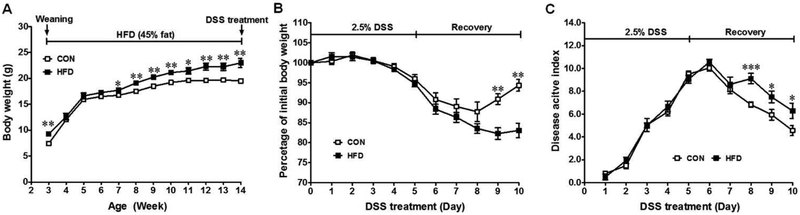
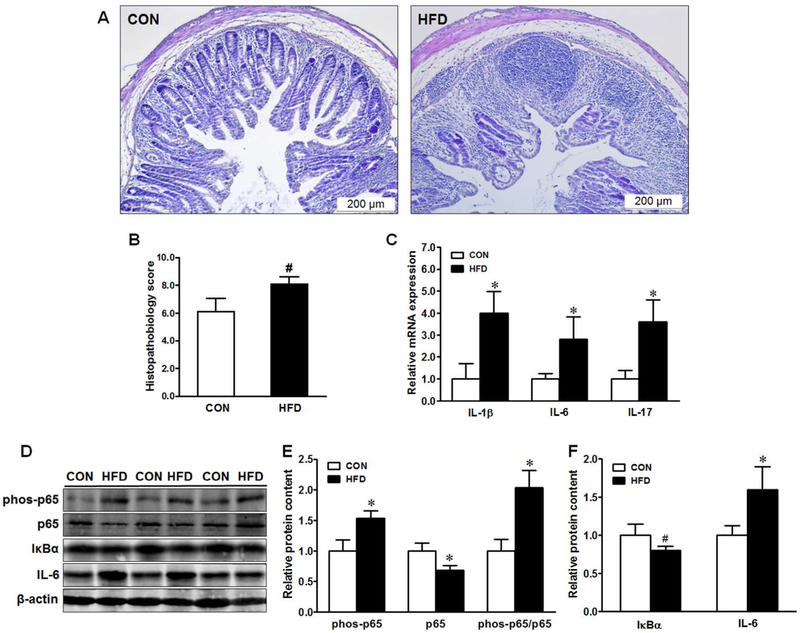
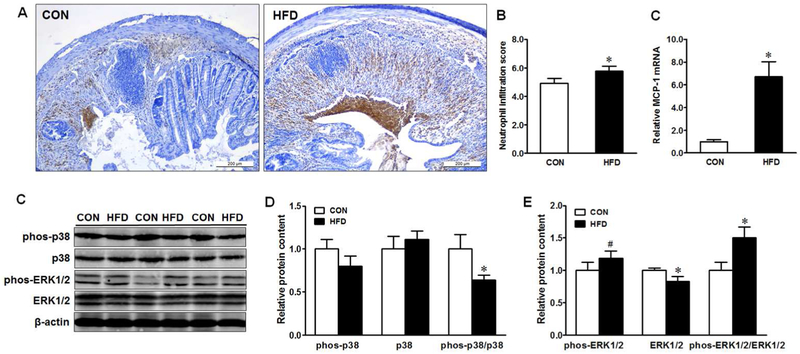
Offspring from maternal HFD had higher body weight gain before DSS induction and had higher liver and fat weights with increased adipocyte size at necropsy. When subjected to DSS treatment, HFD offspring had accelerated body weight loss and exaggerated disease activity index. HFD offspring had an elevated histopathological score and interleukin (IL)-1β, IL-6, and IL-17 expression with upregulated NF-κB signaling. Maternal HFD resulted in enhanced neutrophil infiltration associated with elevated expression of monocyte chemoattractant protein-1. Furthermore, maternal HFD suppressed AMP-activated protein kinase activity and decreased sirtuin 1 and p53 protein contents in offspring gut.
Maternal HFD consumption predisposes offspring to a higher susceptibility to develop inflammatory bowel disease.
母体高脂饮食(HFD)可能会改变子代的肠道免疫系统,从而增加患炎症性肠病的易感性。本研究的目的是使用葡聚糖硫酸钠(DSS)诱导的结肠炎小鼠模型,研究母体高脂饮食对子代肠道健康的影响。
给母鼠喂食高脂饮食(60%)或对照饮食。断奶后,两组的雌性子代均维持45%的高脂饮食。14周龄时,子代饮用含2.5% DSS的水5天,随后恢复5天。
母体高脂饮食组的子代在DSS诱导前体重增加更高,尸检时肝脏和脂肪重量更高,脂肪细胞大小增加。接受DSS治疗时,高脂饮食组子代体重减轻加速,疾病活动指数更高。高脂饮食组子代的组织病理学评分、白细胞介素(IL)-1β、IL-6和IL-17表达升高,核因子κB信号上调。母体高脂饮食导致中性粒细胞浸润增强,单核细胞趋化蛋白-1表达升高。此外,母体高脂饮食抑制了子代肠道中AMP激活的蛋白激酶活性,并降低了沉默调节蛋白1和p53蛋白含量。
母体摄入高脂饮食使子代更易患炎症性肠病。