Canestrelli Daniele, Bisconti Roberta, Chiocchio Andrea, Maiorano Luigi, Zampiglia Mauro, Nascetti Giuseppe
Department of Ecological and Biological Science, Università degli Studi della Tuscia , Viterbo , Italy.
Department of Biology and Biotechnology 'Charles Darwin', University of Roma 'La Sapienza', Rome, Italy; Department of Integrative Marine Ecology, Stazione Zoologica Anton Dohrn, Naples, Italy.
PeerJ. 2017 Mar 23;5:e3072. doi: 10.7717/peerj.3072. eCollection 2017.
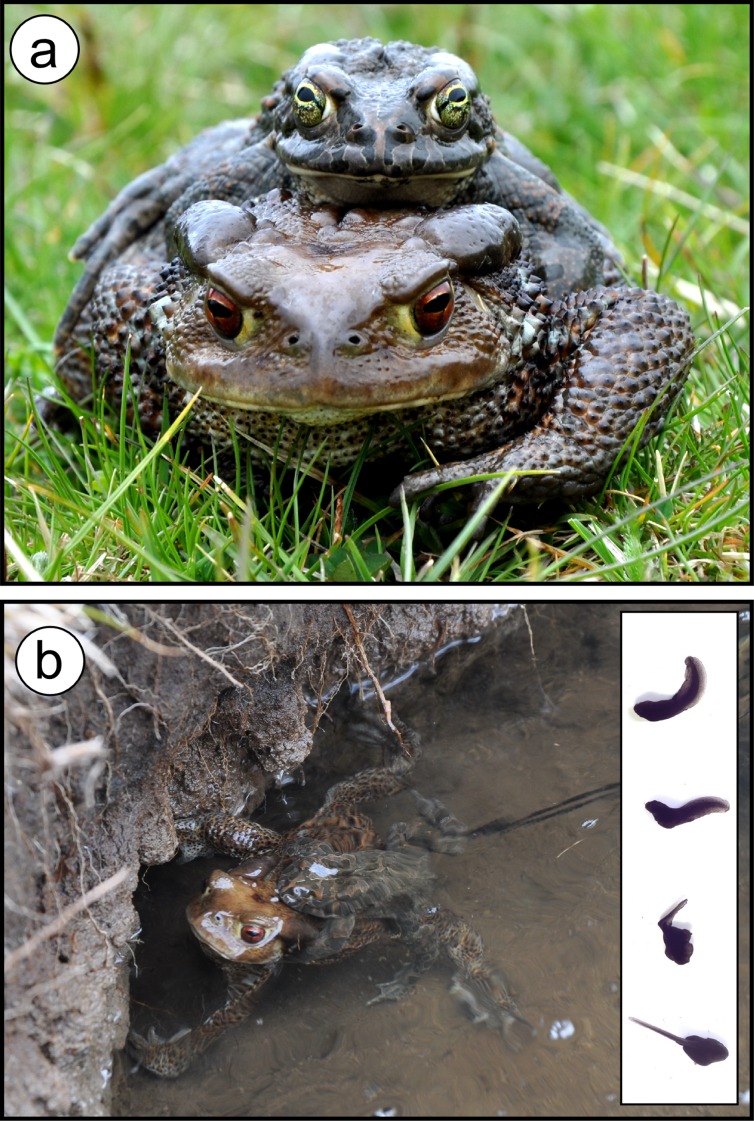
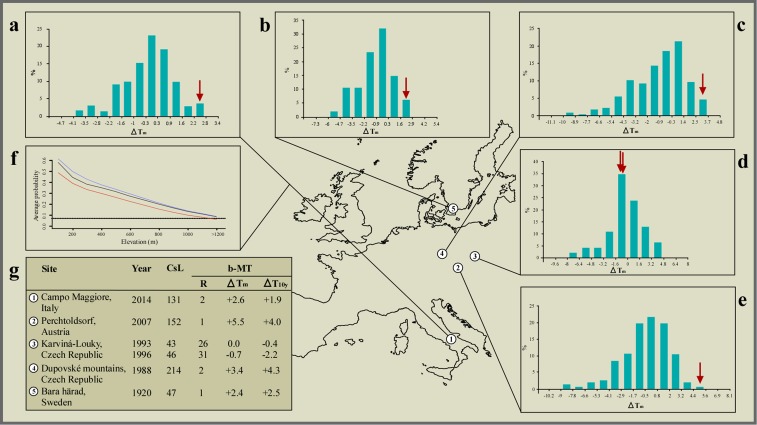
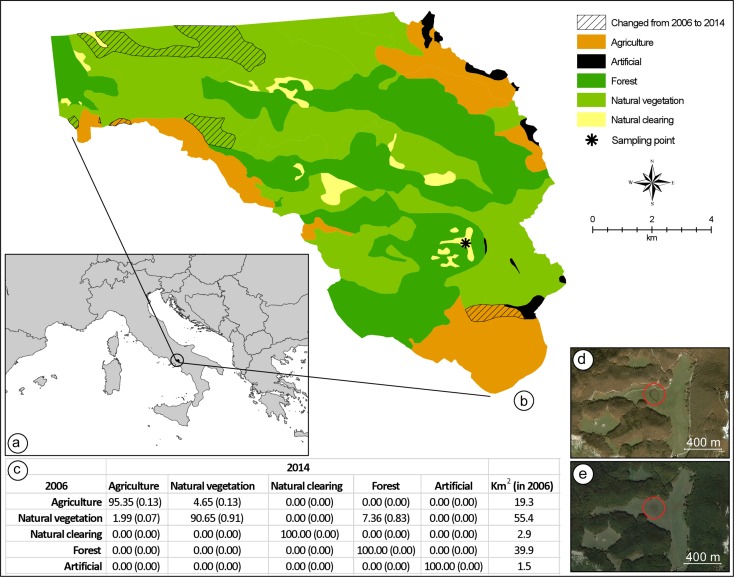
Rare hybridisations between deeply divergent animal species have been reported for decades in a wide range of taxa, but have often remained unexplained, mainly considered chance events and reported as anecdotal. Here, we combine field observations with long-term data concerning natural hybridisations, climate, land-use, and field-validated species distribution models for two deeply divergent and naturally sympatric toad species in Europe ( and species groups). We show that climate warming and seasonal extreme temperatures are conspiring to set the scene for these maladaptive hybridisations, by differentially affecting life-history traits of both species. Our results identify and provide evidence of an ultimate cause for such events, and reveal that the potential influence of climate change on interspecific hybridisations goes far beyond closely related species. Furthermore, climate projections suggest that the chances for these events will steadily increase in the near future.
几十年来,在广泛的分类群中都有关于亲缘关系极远的动物物种之间罕见杂交的报道,但这些杂交现象往往一直未得到解释,主要被视为偶然事件且多为轶事性报道。在此,我们将实地观察与关于自然杂交、气候、土地利用的长期数据,以及针对欧洲两种亲缘关系极远且自然同域分布的蟾蜍物种( 物种组和 物种组)的实地验证物种分布模型相结合。我们发现,气候变暖和季节性极端温度正共同作用,通过对这两个物种的生活史特征产生不同影响,为这些适应不良的杂交创造了条件。我们的研究结果确定并提供了此类事件的最终原因的证据,揭示了气候变化对种间杂交的潜在影响远远超出亲缘关系密切的物种。此外,气候预测表明,在不久的将来,此类事件发生的可能性将稳步增加。