Thorn Kurt
Department of Biochemistry and Biophysics, University of California, San Francisco, San Francisco, CA 94158
Mol Biol Cell. 2017 Apr 1;28(7):848-857. doi: 10.1091/mbc.E16-07-0504.
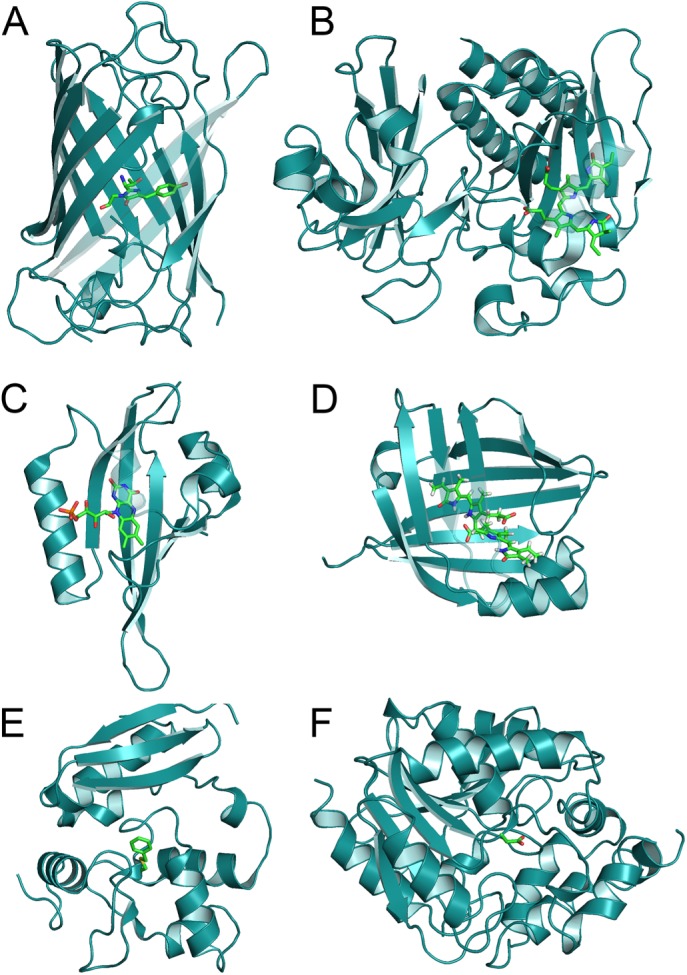
Genetically encoded fluorescent tags are protein sequences that can be fused to a protein of interest to render it fluorescent. These tags have revolutionized cell biology by allowing nearly any protein to be imaged by light microscopy at submicrometer spatial resolution and subsecond time resolution in a live cell or organism. They can also be used to measure protein abundance in thousands to millions of cells using flow cytometry. Here I provide an introduction to the different genetic tags available, including both intrinsically fluorescent proteins and proteins that derive their fluorescence from binding of either endogenous or exogenous fluorophores. I discuss their optical and biological properties and guidelines for choosing appropriate tags for an experiment. Tools for tagging nucleic acid sequences and reporter molecules that detect the presence of different biomolecules are also briefly discussed.
基因编码荧光标签是可以与感兴趣的蛋白质融合以使其产生荧光的蛋白质序列。这些标签彻底改变了细胞生物学,通过光学显微镜可以在活细胞或生物体中以亚微米空间分辨率和亚秒级时间分辨率对几乎任何蛋白质进行成像。它们还可用于使用流式细胞术测量数千至数百万个细胞中的蛋白质丰度。在这里,我介绍了可用的不同遗传标签,包括内在荧光蛋白以及通过与内源性或外源性荧光团结合而产生荧光的蛋白质。我讨论了它们的光学和生物学特性以及为实验选择合适标签的指南。还简要讨论了用于标记核酸序列的工具以及检测不同生物分子存在的报告分子。