Arthur Robert K, An Ningfei, Khan Saira, McNerney Megan E
Department of Pathology, Department of Pediatrics, Section of Hematology/Oncology, and The University of Chicago Medicine Comprehensive Cancer Center, The University of Chicago, Chicago, IL 60637, USA.
Nucleic Acids Res. 2017 Jun 20;45(11):6350-6361. doi: 10.1093/nar/gkx218.
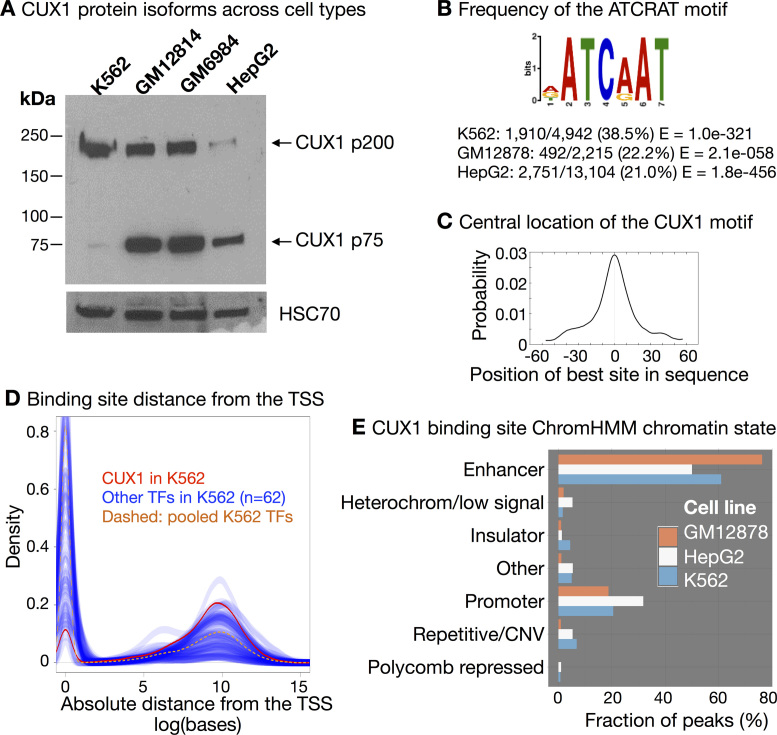
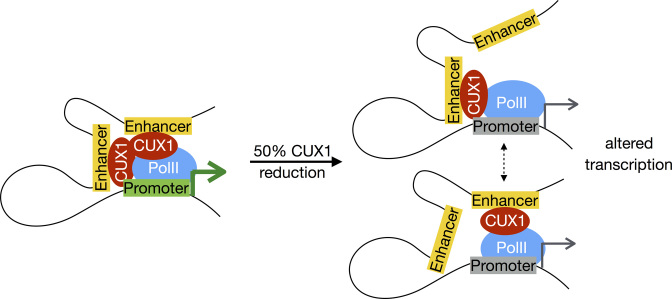
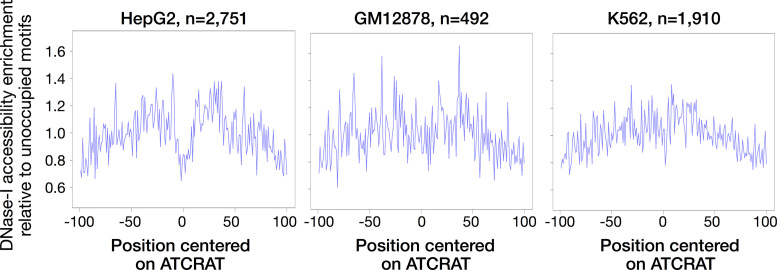
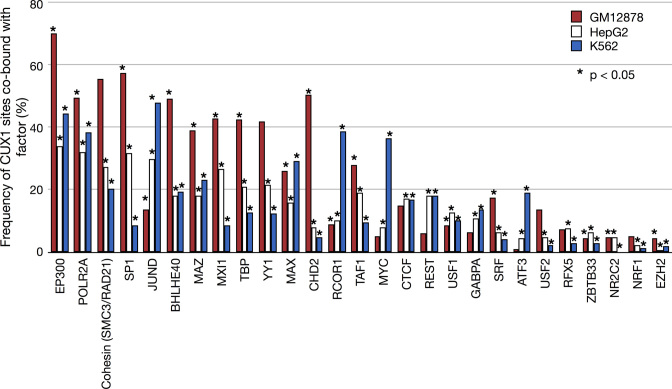
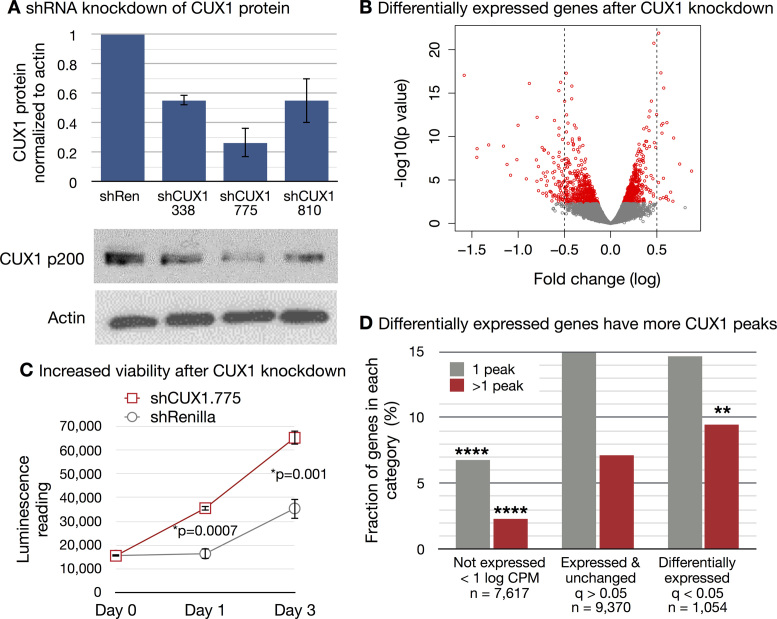
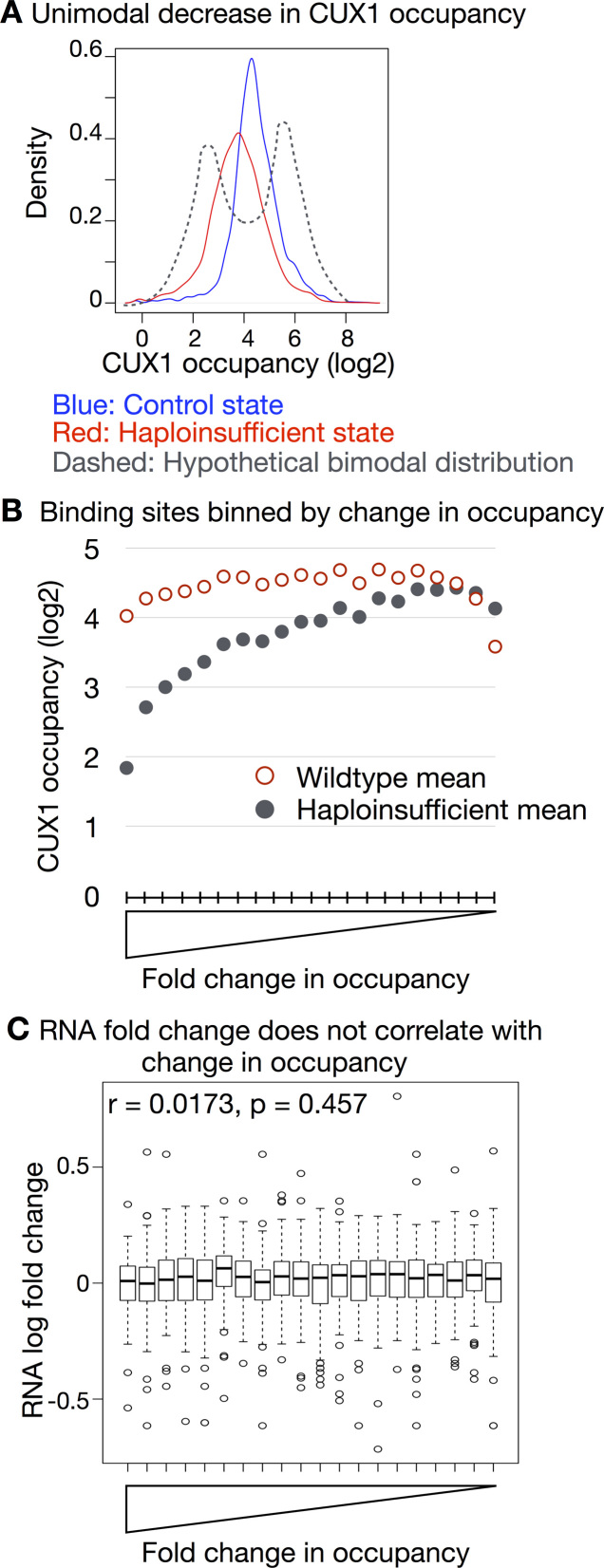
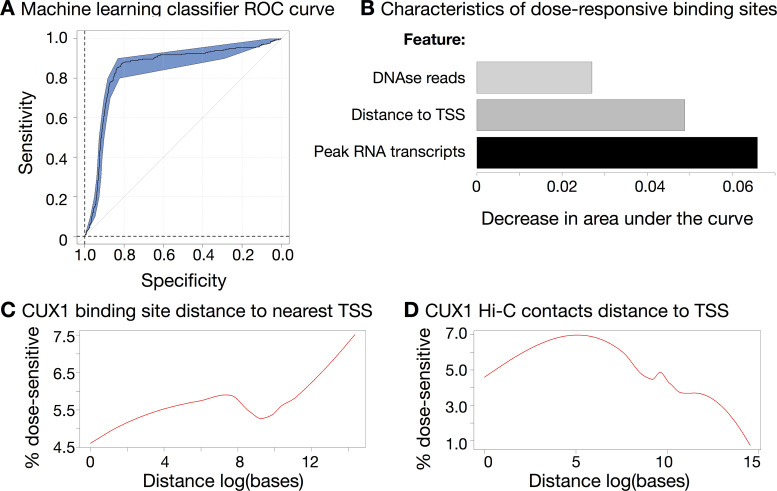
One third of tumor suppressors are haploinsufficient transcriptional regulators, yet it remains unknown how a 50% reduction of a transcription factor is translated at the cis-regulatory level into a malignant transcriptional program. We studied CUX1, a haploinsufficient transcription factor that is recurrently mutated in hematopoietic and solid tumors. We determined CUX1 DNA-binding and target gene regulation in the wildtype and haploinsufficient states. CUX1 binds with transcriptional activators and cohesin at distal enhancers across three different human cell types. Haploinsufficiency of CUX1 altered the expression of a large number of genes, including cell cycle regulators, with concomitant increased cellular proliferation. Surprisingly, CUX1 occupancy decreased genome-wide in the haploinsufficient state, and binding site affinity did not correlate with differential gene expression. Instead, differentially expressed genes had multiple, low-affinity CUX1 binding sites, features of analog gene regulation. A machine-learning algorithm determined that chromatin accessibility, enhancer activity, and distance to the transcription start site are features of dose-sensitive CUX1 transcriptional regulation. Moreover, CUX1 is enriched at sites of DNA looping, as determined by Hi-C analysis, and these loops connect CUX1 to the promoters of regulated genes. We propose an analog model for haploinsufficient transcriptional deregulation mediated by higher order genome architecture.
三分之一的肿瘤抑制因子是单倍体不足的转录调节因子,但转录因子减少50%如何在顺式调节水平上转化为恶性转录程序仍不清楚。我们研究了CUX1,一种在造血和实体瘤中经常发生突变的单倍体不足转录因子。我们确定了野生型和单倍体不足状态下CUX1的DNA结合和靶基因调控。CUX1在三种不同人类细胞类型的远端增强子处与转录激活因子和黏连蛋白结合。CUX1的单倍体不足改变了大量基因的表达,包括细胞周期调节因子,同时细胞增殖增加。令人惊讶的是,在单倍体不足状态下,CUX1在全基因组范围内的占有率降低,且结合位点亲和力与基因差异表达无关。相反,差异表达基因具有多个低亲和力CUX1结合位点,这是类似基因调控的特征。一种机器学习算法确定,染色质可及性、增强子活性和与转录起始位点的距离是剂量敏感型CUX1转录调控的特征。此外,通过Hi-C分析确定,CUX1在DNA环化位点富集,这些环将CUX1与受调控基因的启动子连接起来。我们提出了一种由高阶基因组结构介导的单倍体不足转录失调的类似模型。