Li Jing, Hou Qiangchuan, Zhang Jiachao, Xu Haiyan, Sun Zhihong, Menghe Bilige, Zhang Heping
Key Laboratory of Dairy Biotechnology and Engineering, Education Ministry of P. R. China, Department of Food Science and Engineering, Inner Mongolia Agricultural University Hohhot, China.
Front Microbiol. 2017 Mar 21;8:484. doi: 10.3389/fmicb.2017.00484. eCollection 2017.
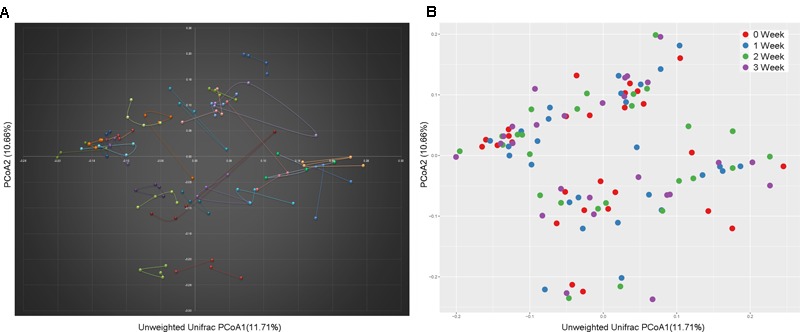
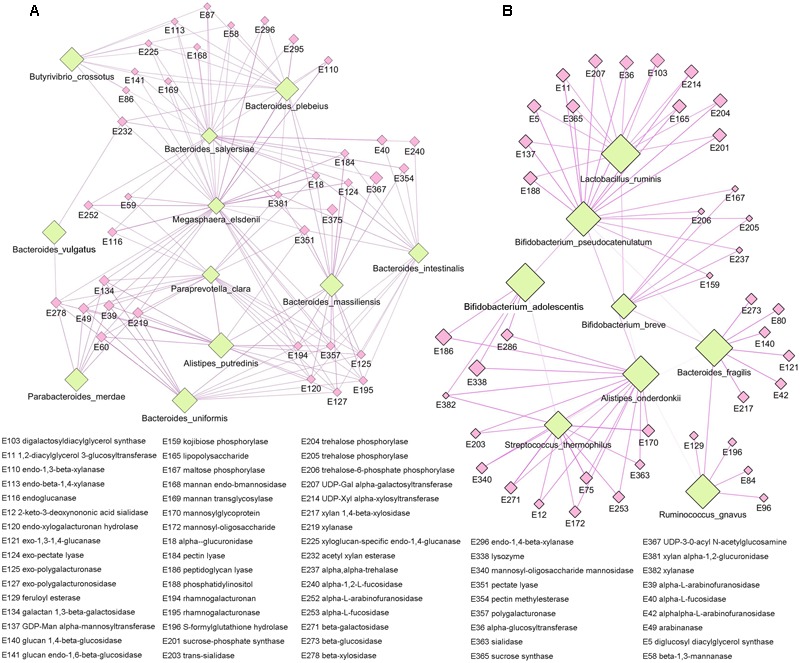
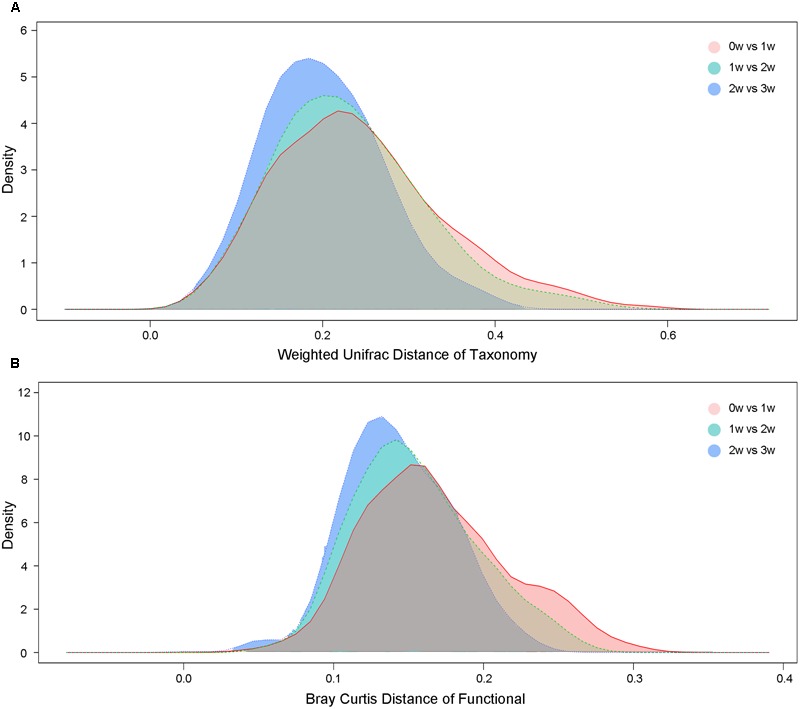
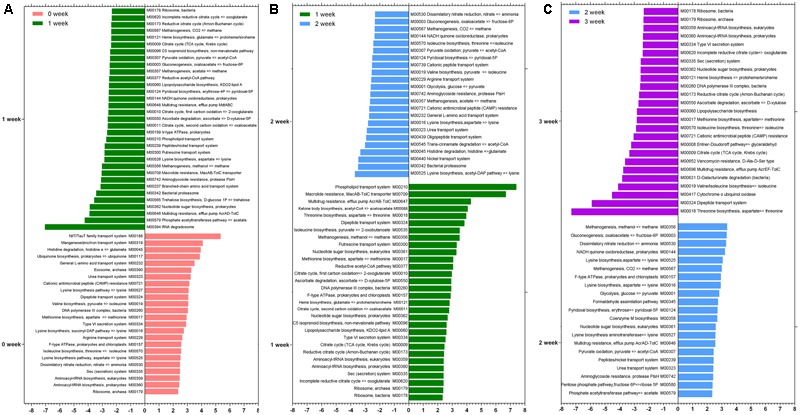
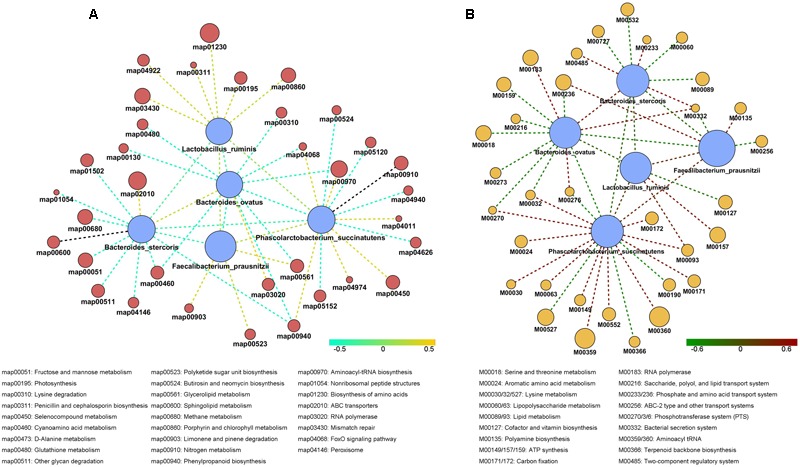
Gut microbiota is a determining factor in human physiological functions and health. It is commonly accepted that diet has a major influence on the gut microbial community, however, the effects of diet is not fully understood. The typical Mongolian diet is characterized by high and frequent consumption of fermented dairy products and red meat, and low level of carbohydrates. In this study, the gut microbiota profile of 26 Mongolians whom consumed wheat, rice and oat as the sole carbohydrate staple food for a week each consecutively was determined. It was observed that changes in staple carbohydrate rapidly (within a week) altered gut microbial community structure and metabolic pathway of the subjects. Wheat and oat favored bifidobacteria (); whereas rice suppressed bifidobacteria () and wheat suppresses and . The study exhibited two gut microbial clustering patterns with the preference of fucosyllactose utilization linking to fucosidase genes (glycoside hydrolase family classifications: GH95 and GH29) encoded by , and xylan and arabinoxylan utilization linking to xylanase and arabinoxylanase genes encoded by . There was also a correlation between and sialidase, as well as and xylanase/xylosidase. Meanwhile, a strong concordance was found between the gastrointestinal bacterial microbiome and the intestinal virome. Present research will contribute to understanding the impacts of the dietary carbohydrate on human gut microbiome, which will ultimately help understand relationships between dietary factor, microbial populations, and the health of global humans.
肠道微生物群是人类生理功能和健康的决定性因素。人们普遍认为饮食对肠道微生物群落有重大影响,然而,饮食的影响尚未完全了解。典型的蒙古饮食特点是发酵乳制品和红肉的高摄入量和频繁食用,以及碳水化合物含量低。在本研究中,确定了26名蒙古人的肠道微生物群特征,他们连续一周分别以小麦、大米和燕麦作为唯一的碳水化合物主食。观察到主食碳水化合物的变化迅速(一周内)改变了受试者的肠道微生物群落结构和代谢途径。小麦和燕麦有利于双歧杆菌();而大米抑制双歧杆菌(),小麦抑制和。该研究展示了两种肠道微生物聚类模式,岩藻糖基乳糖利用偏好与由编码的岩藻糖苷酶基因(糖苷水解酶家族分类:GH95和GH29)相关,木聚糖和阿拉伯木聚糖利用偏好与由编码的木聚糖酶和阿拉伯木聚糖酶基因相关。与唾液酸酶之间也存在相关性,以及与木聚糖酶/木糖苷酶之间也存在相关性。同时,在胃肠道细菌微生物群和肠道病毒组之间发现了很强的一致性。目前的研究将有助于理解膳食碳水化合物对人类肠道微生物群的影响,这最终将有助于理解饮食因素、微生物种群和全球人类健康之间的关系。