Loquet Antoine, Saupe Sven J
Institute of Chemistry and Biology of Membranes and Nanoobjects, UMR 5248 CBMN-CNRS Université de Bordeaux, Allée Geoffroy Saint-Hillaire, 33600 Pessac, France.
Non-Self Recognition in Fungi, Institut de Biochimie et de Génétique Cellulaire, UMR 5095 CNRS Université de Bordeaux, 1 rue Camille Saint Saëns, 33077 Bordeaux CEDEX, France.
Biomolecules. 2017 Apr 13;7(2):38. doi: 10.3390/biom7020038.
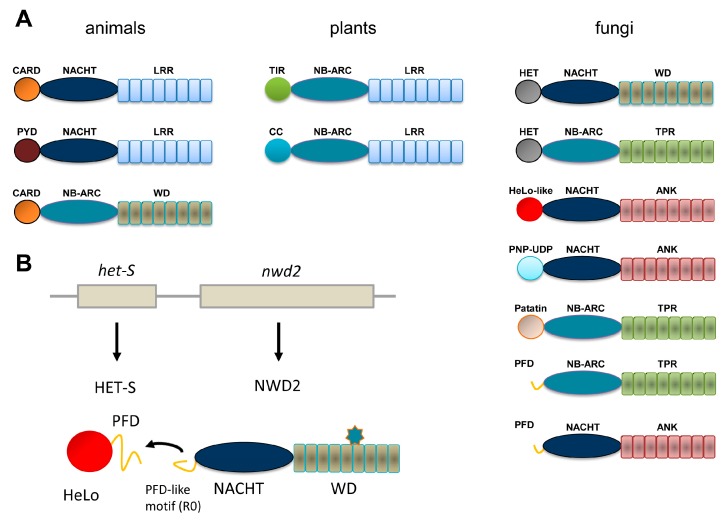
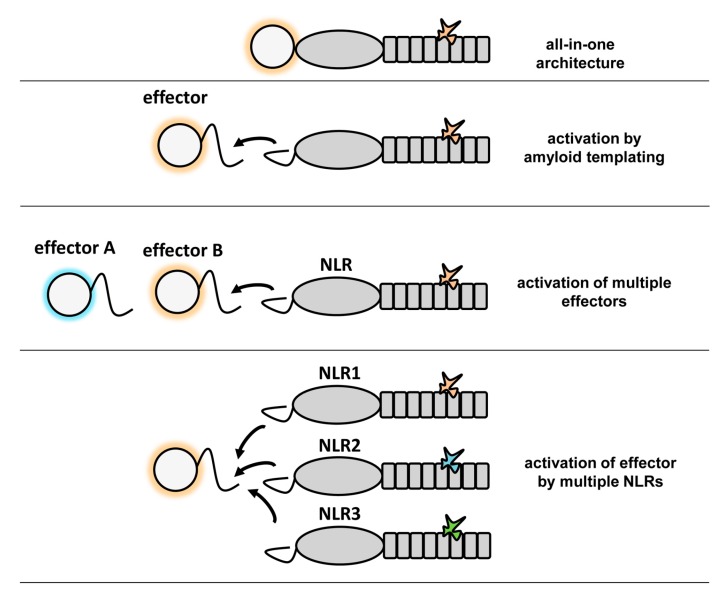
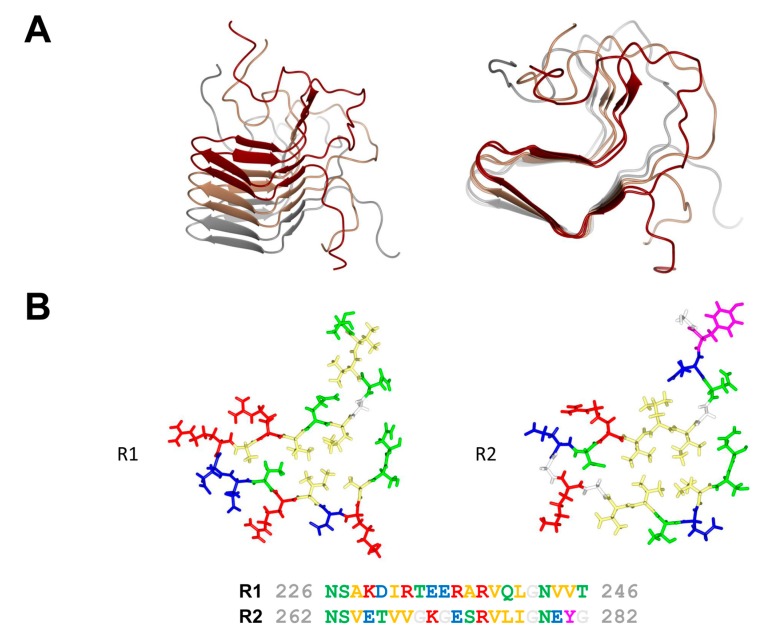
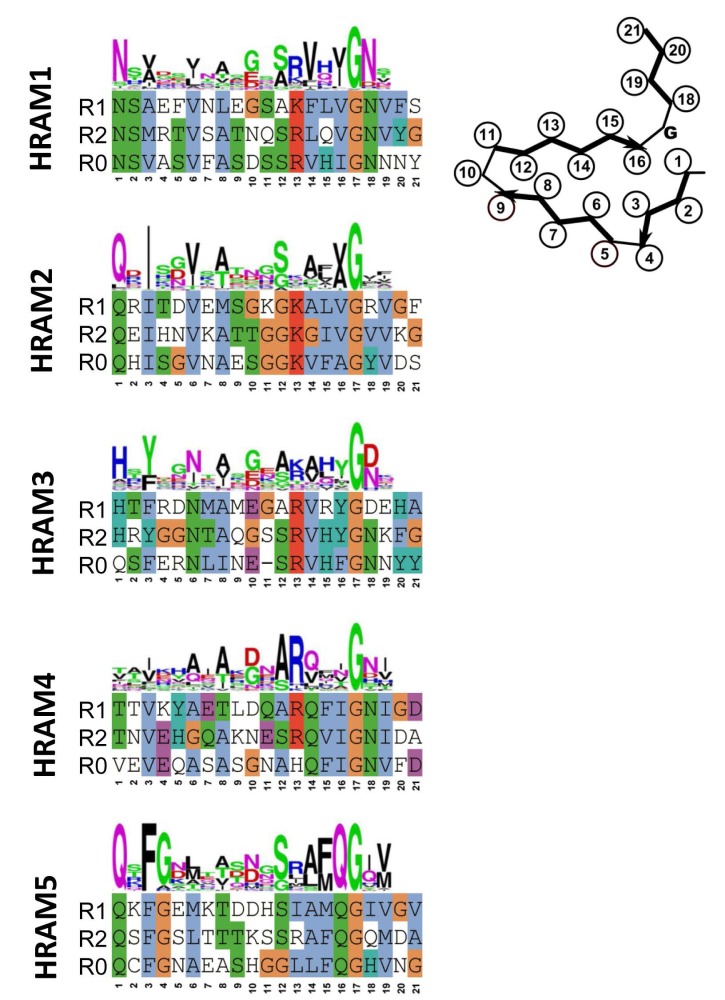
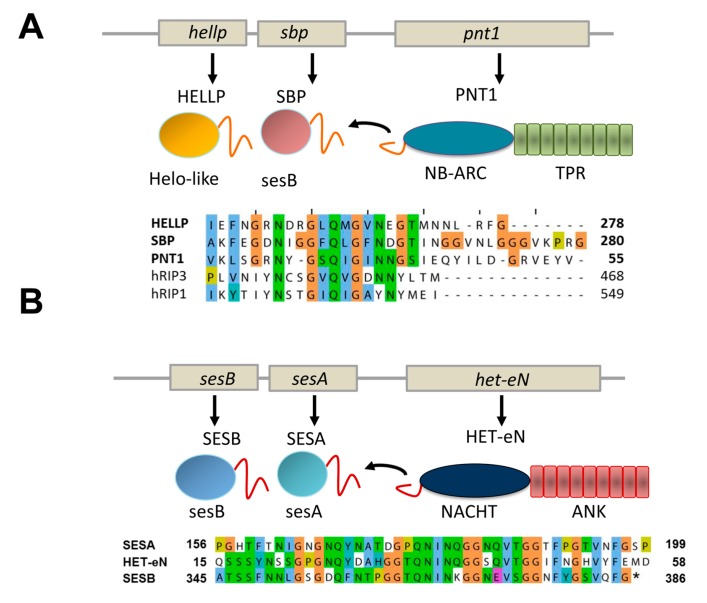
Amyloid folds not only represent the underlying cause of a large class of human diseases but also display a variety of functional roles both in prokaryote and eukaryote organisms. Among these roles is a recently-described activity in signal transduction cascades functioning in host defense and programmed cell death and involving Nod-like receptors (NLRs). In different fungal species, prion amyloid folds convey activation signals from a receptor protein to an effector domain by an amyloid templating and propagation mechanism. The discovery of these amyloid signaling motifs derives from the study of [Het-s], a fungal prion of the species . These signaling pathways are typically composed of two basic components encoded by adjacent genes, the NLR receptor bearing an amyloid motif at the N-terminal end and a cell death execution protein with a HeLo pore-forming domain bearing a C-terminal amyloid motif. Activation of the NLR receptor allows for amyloid folding of the N-terminal amyloid motifs which then template trans-conformation of the homologous motif in the cell death execution protein. A variety of such motifs, which differ by their sequence signature, have been described in fungi. Among them, the PP-motif bears resemblance with the RHIM amyloid motif involved in the necroptosis pathway in mammals suggesting an evolutionary conservation of amyloid signaling from fungi to mammals.
淀粉样蛋白折叠不仅是一大类人类疾病的潜在病因,而且在原核生物和真核生物中都发挥着多种功能作用。其中一个作用是最近描述的在宿主防御和程序性细胞死亡中起作用的信号转导级联反应中的活性,该反应涉及Nod样受体(NLRs)。在不同的真菌物种中,朊病毒淀粉样蛋白折叠通过淀粉样蛋白模板化和传播机制将激活信号从受体蛋白传递到效应结构域。这些淀粉样蛋白信号基序的发现源于对[Het-s](该物种的一种真菌朊病毒)的研究。这些信号通路通常由相邻基因编码的两个基本成分组成,NLR受体在N末端带有淀粉样蛋白基序,以及具有HeLo孔形成结构域且在C末端带有淀粉样蛋白基序的细胞死亡执行蛋白。NLR受体的激活允许N末端淀粉样蛋白基序进行淀粉样蛋白折叠,然后该折叠模板化细胞死亡执行蛋白中同源基序的反式构象。在真菌中已经描述了多种这样的基序,它们因序列特征而不同。其中,PP基序与哺乳动物坏死性凋亡途径中涉及的RHIM淀粉样蛋白基序相似,这表明从真菌到哺乳动物,淀粉样蛋白信号存在进化保守性。