Choi Junwon, Fu Gregory C
Department of Chemistry, Stanford University, Stanford, CA 94305, USA.
Division of Chemistry and Chemical Engineering, California Institute of Technology, Pasadena, CA 91125, USA.
Science. 2017 Apr 14;356(6334). doi: 10.1126/science.aaf7230.
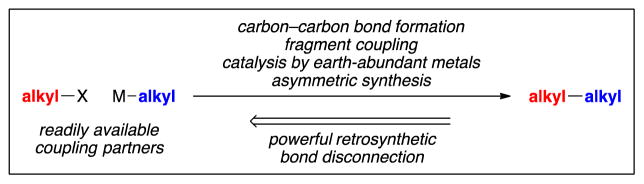
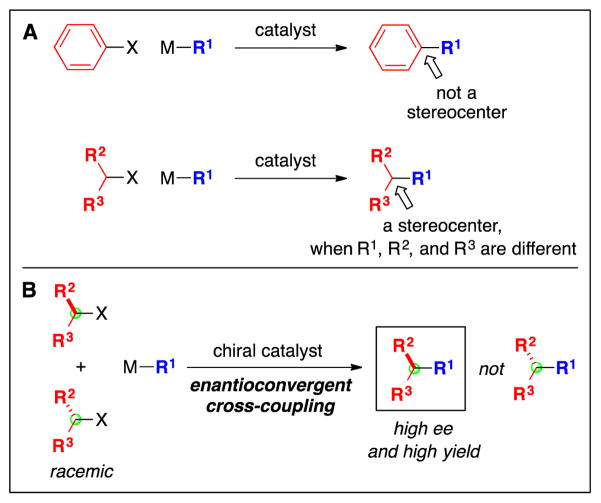
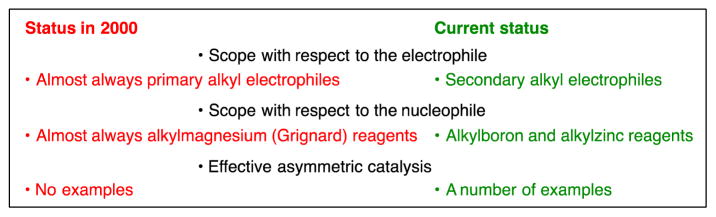
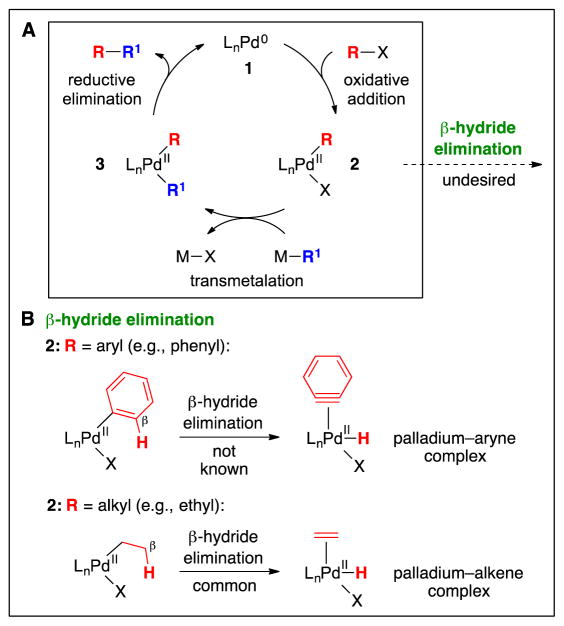
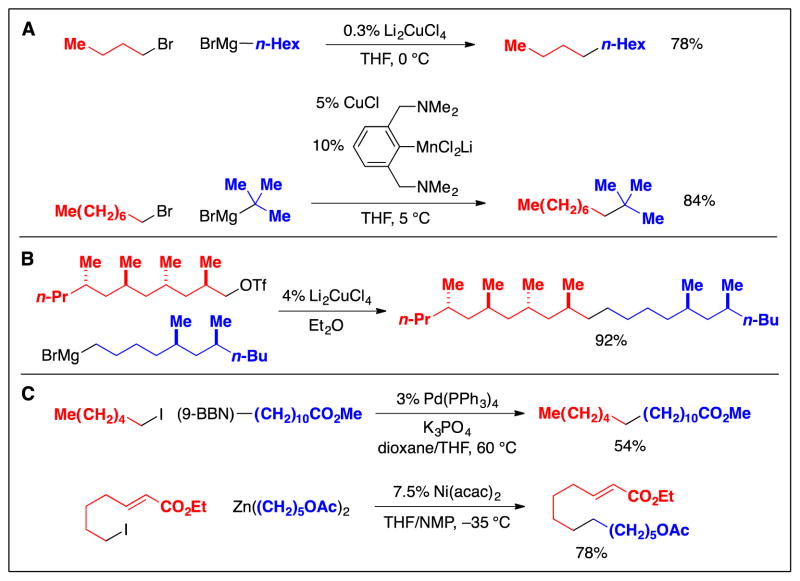
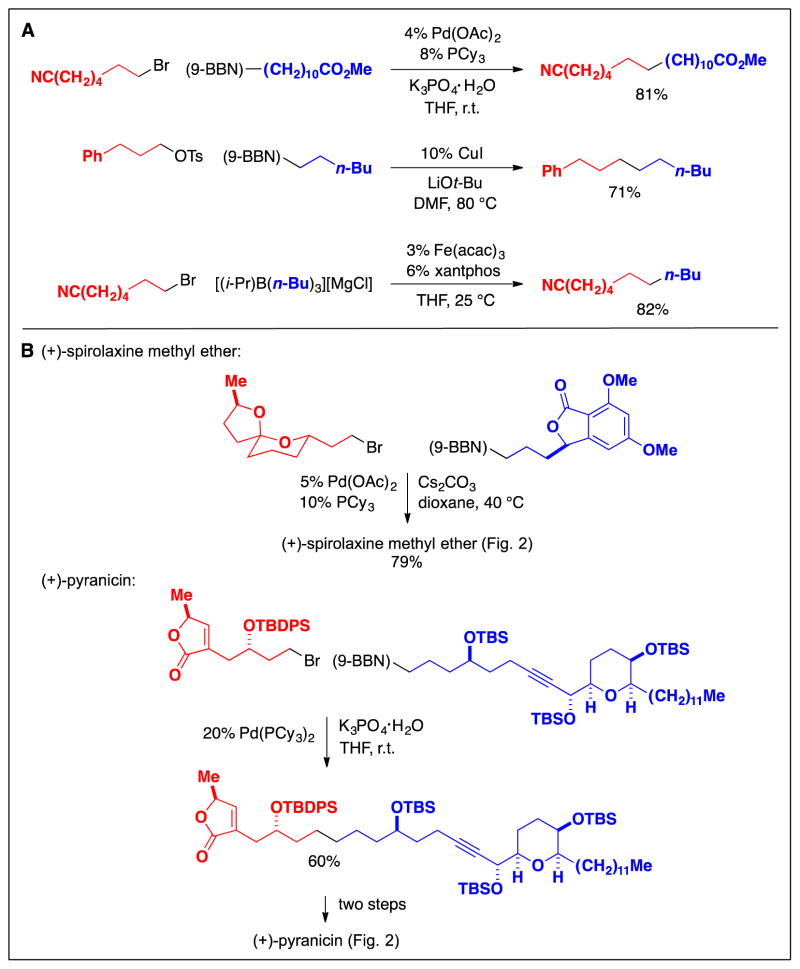
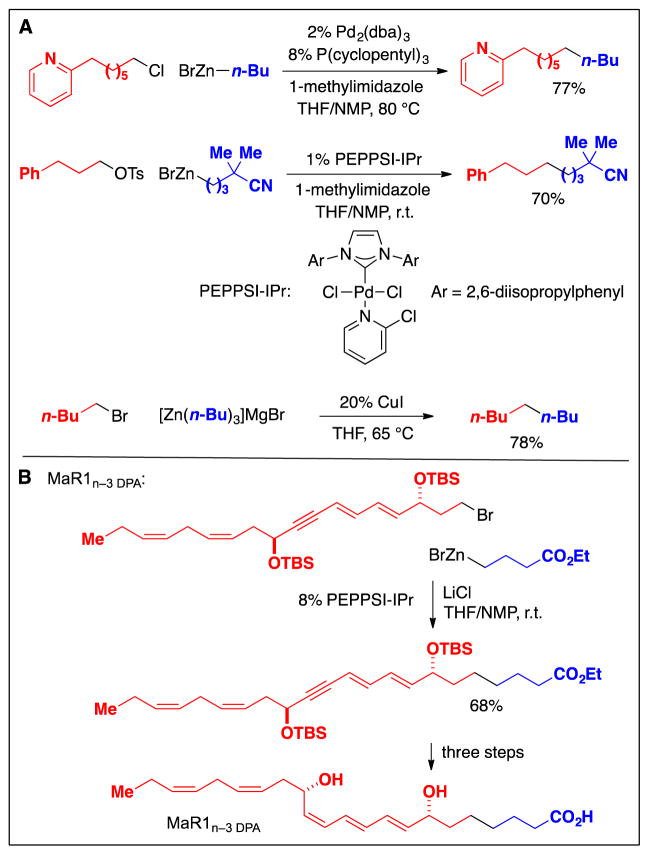
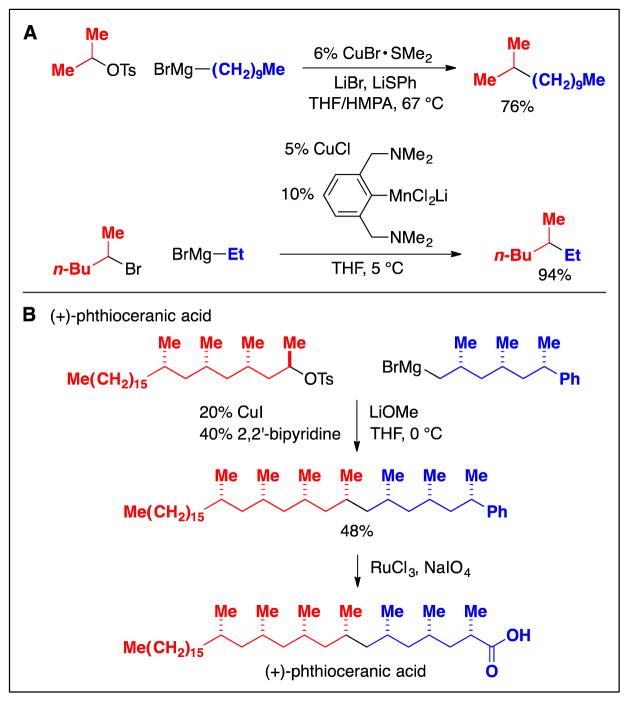
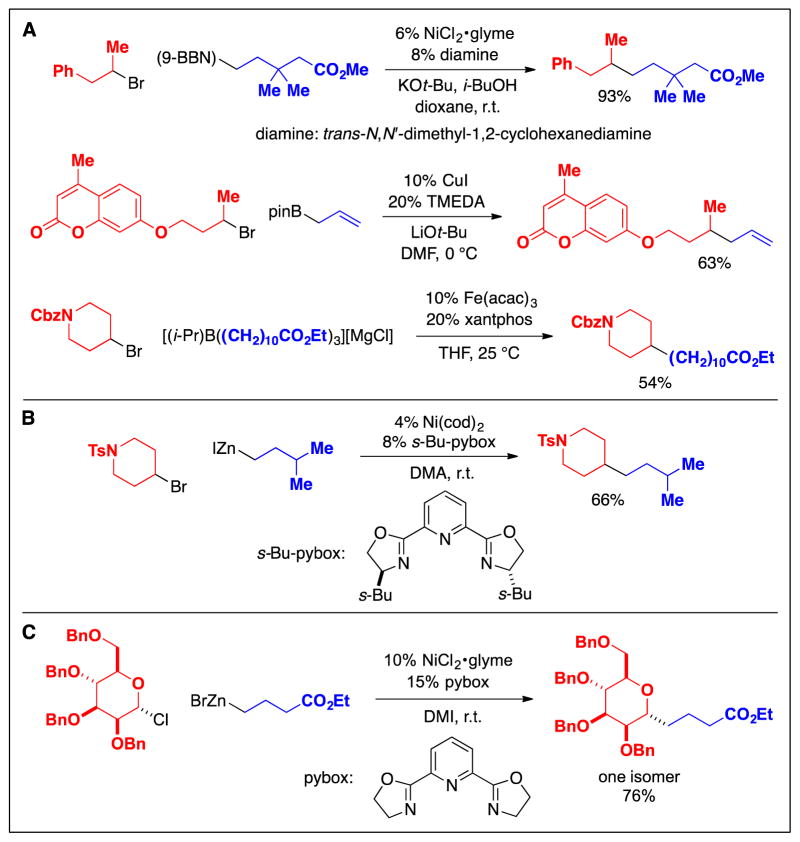
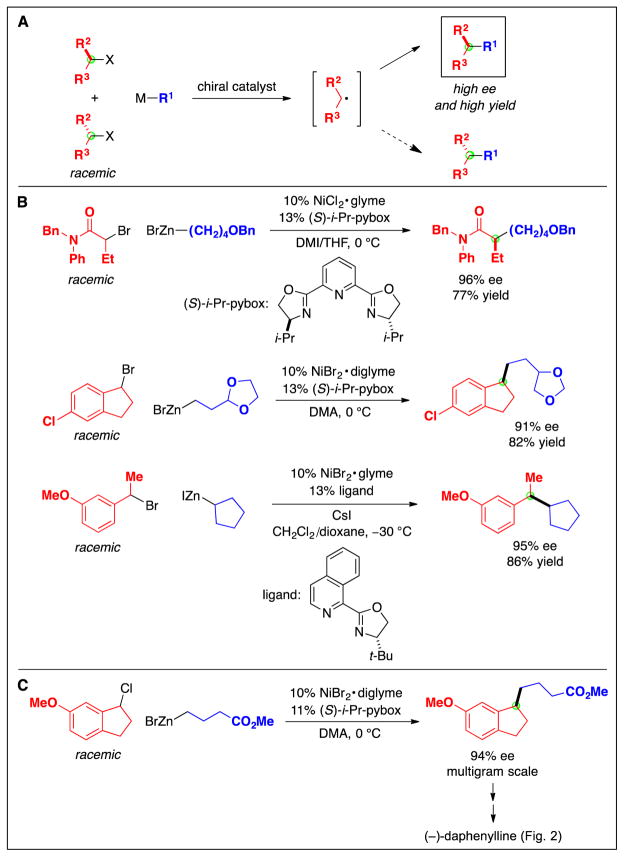
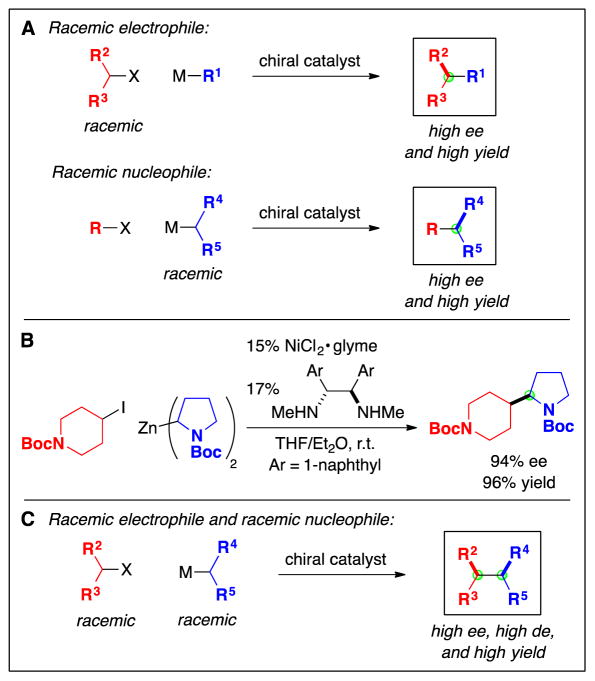
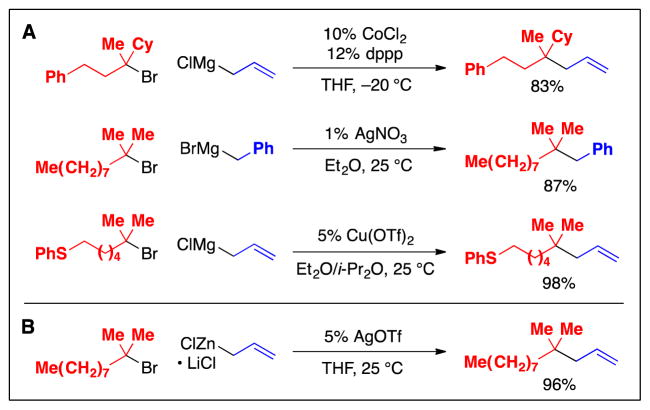
Because the backbone of most organic molecules is composed primarily of carbon-carbon bonds, the development of efficient methods for their construction is one of the central challenges of organic synthesis. Transition metal-catalyzed cross-coupling reactions between organic electrophiles and nucleophiles serve as particularly powerful tools for achieving carbon-carbon bond formation. Until recently, the vast majority of cross-coupling processes had used either aryl or alkenyl electrophiles as one of the coupling partners. In the past 15 years, versatile new methods have been developed that effect cross-couplings of an array of alkyl electrophiles, thereby greatly expanding the diversity of target molecules that are readily accessible. The ability to couple alkyl electrophiles opens the door to a stereochemical dimension-specifically, enantioconvergent couplings of racemic electrophiles-that substantially enhances the already remarkable utility of cross-coupling processes.
由于大多数有机分子的主链主要由碳-碳键构成,因此开发高效构建碳-碳键的方法是有机合成的核心挑战之一。过渡金属催化的有机亲电试剂与亲核试剂之间的交叉偶联反应是实现碳-碳键形成的特别强大的工具。直到最近,绝大多数交叉偶联过程都使用芳基或烯基亲电试剂作为偶联伙伴之一。在过去的15年里,已经开发出了通用的新方法,这些方法能够实现一系列烷基亲电试剂的交叉偶联,从而极大地扩展了易于获得的目标分子的多样性。偶联烷基亲电试剂的能力开启了立体化学维度的大门——具体来说,外消旋亲电试剂的对映收敛偶联——这大大提高了交叉偶联过程本已显著的实用性。