Departamento de Química Analítica, Facultad de CC. Químicas, Universidad Complutense de Madrid, E-28040 Madrid, Spain.
Sensors (Basel). 2017 Apr 14;17(4):866. doi: 10.3390/s17040866.
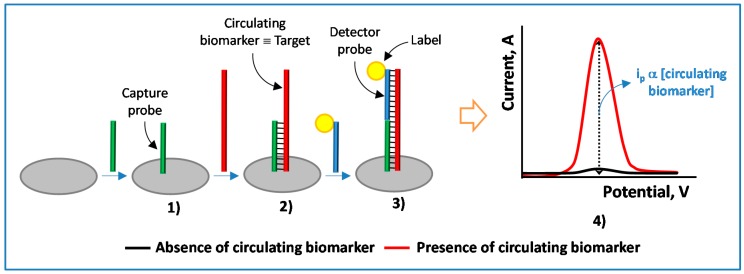
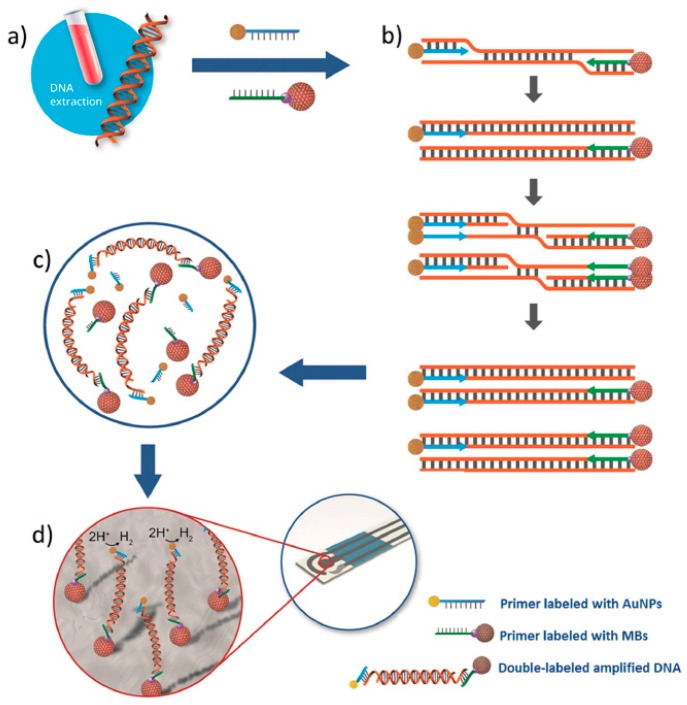
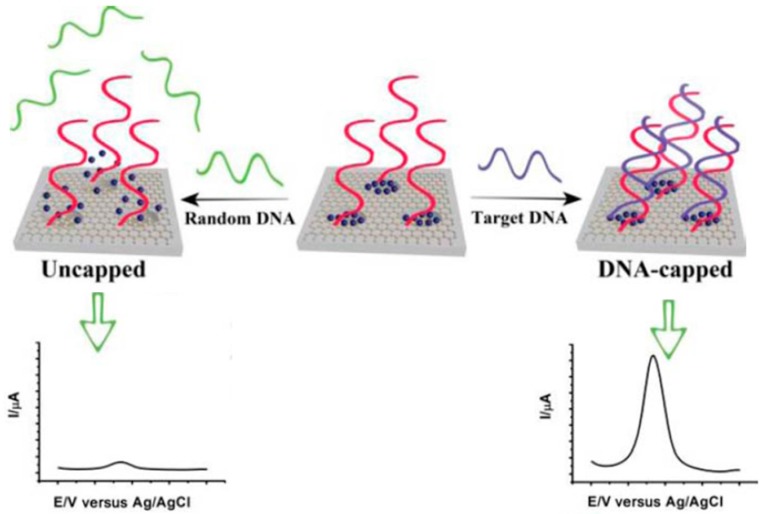
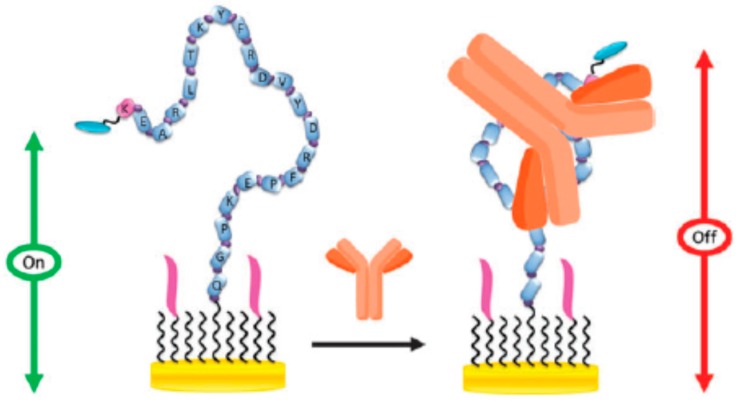
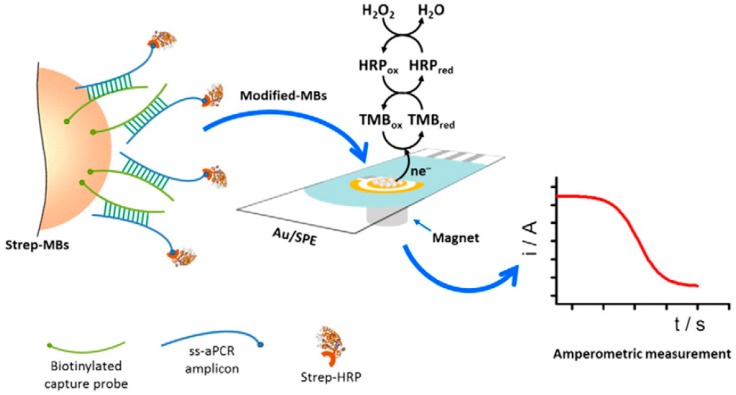
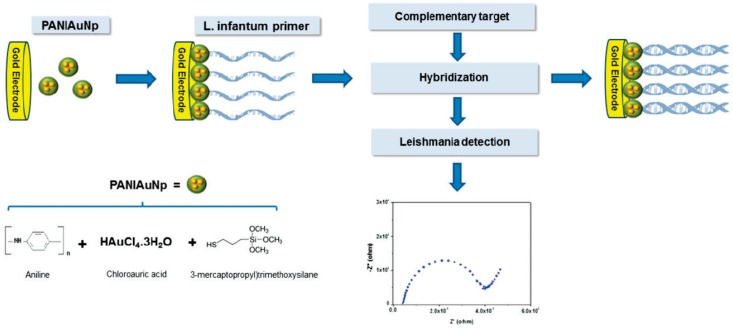
Management and prognosis of diseases requires the measurement in non- or minimally invasively collected samples of specific circulating biomarkers, consisting of any measurable or observable factors in patients that indicate normal or disease-related biological processes or responses to therapy. Therefore, on-site, fast and accurate determination of these low abundance circulating biomarkers in scarcely treated body fluids is of great interest for health monitoring and biological applications. In this field, electrochemical DNA sensors (or genosensors) have demonstrated to be interesting alternatives to more complex conventional strategies. Currently, electrochemical genosensors are considered very promising analytical tools for this purpose due to their fast response, low cost, high sensitivity, compatibility with microfabrication technology and simple operation mode which makes them compatible with point-of-care (POC) testing. In this review, the relevance and current challenges of the determination of circulating biomarkers related to relevant diseases (cancer, bacterial and viral infections and neurodegenerative diseases) are briefly discussed. An overview of the electrochemical nucleic acid-based strategies developed in the last five years for this purpose is given to show to both familiar and non-expert readers the great potential of these methodologies for circulating biomarker determination. After highlighting the main features of the reported electrochemical genosensing strategies through the critical discussion of selected examples, a conclusions section points out the still existing challenges and future directions in this field.
疾病的管理和预后需要在非侵入性或微创采集的特定循环生物标志物样本中进行测量,这些生物标志物由患者体内任何可测量或可观察的因素组成,这些因素表明正常或与疾病相关的生物过程或对治疗的反应。因此,在现场快速准确地测定这些在未经处理的体液中含量较低的循环生物标志物,对于健康监测和生物应用具有重要意义。在这一领域,电化学 DNA 传感器(或基因传感器)已被证明是比更复杂的传统策略更有吸引力的替代方案。目前,电化学基因传感器由于其快速响应、低成本、高灵敏度、与微制造技术的兼容性以及简单的操作模式,被认为是非常有前途的分析工具,适合于即时检测(POC)测试。在这篇综述中,简要讨论了与相关疾病(癌症、细菌和病毒感染以及神经退行性疾病)相关的循环生物标志物的测定的相关性和当前挑战。概述了过去五年中为实现这一目的而开发的基于电化学核酸的策略,旨在向熟悉和非专业读者展示这些方法在循环生物标志物测定方面的巨大潜力。在通过对选定示例的批判性讨论突出报告的电化学基因传感策略的主要特点后,结论部分指出了该领域仍然存在的挑战和未来方向。