Missbach Benjamin, Pachschwöll Caterina, Kuchling Daniel, König Jürgen
Department of Nutritional Sciences, University of Vienna, Althanstrasse 14, 1090 Vienna, Austria.
Prev Med Rep. 2017 Apr 8;6:307-313. doi: 10.1016/j.pmedr.2017.03.021. eCollection 2017 Jun.
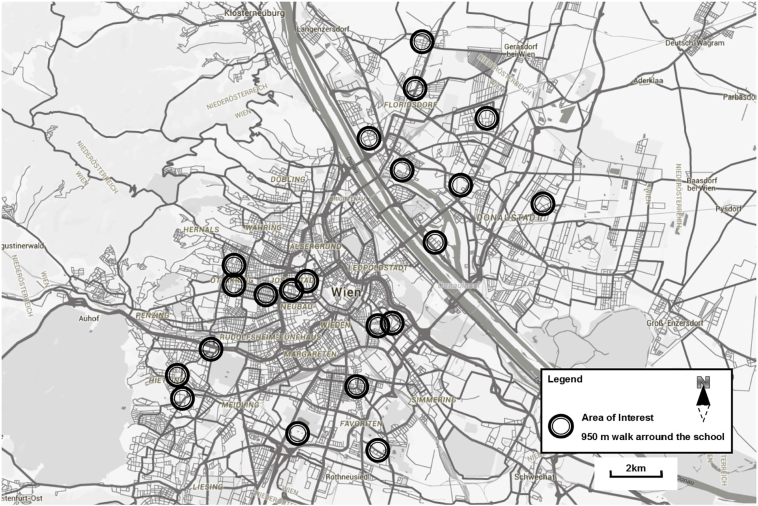
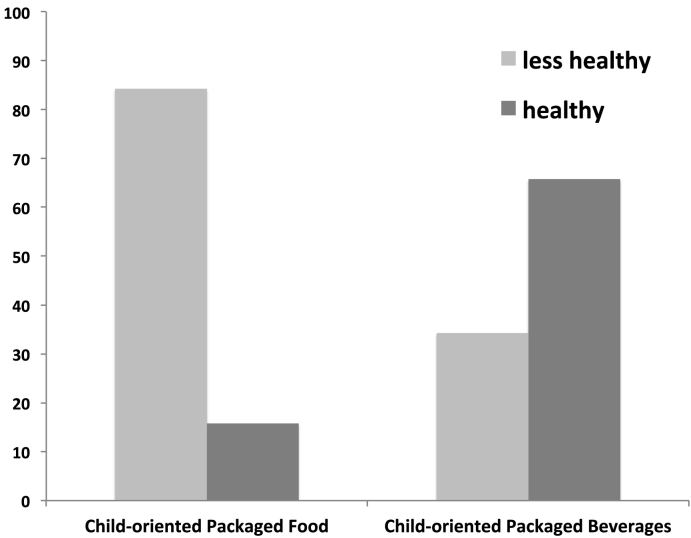
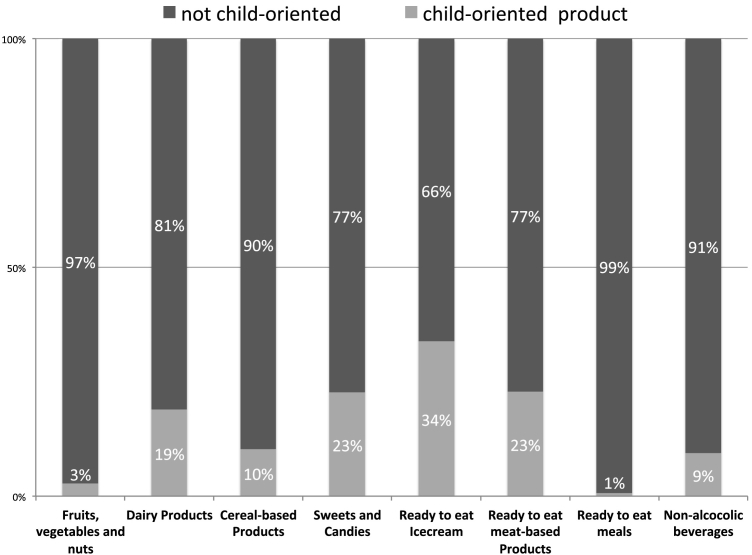
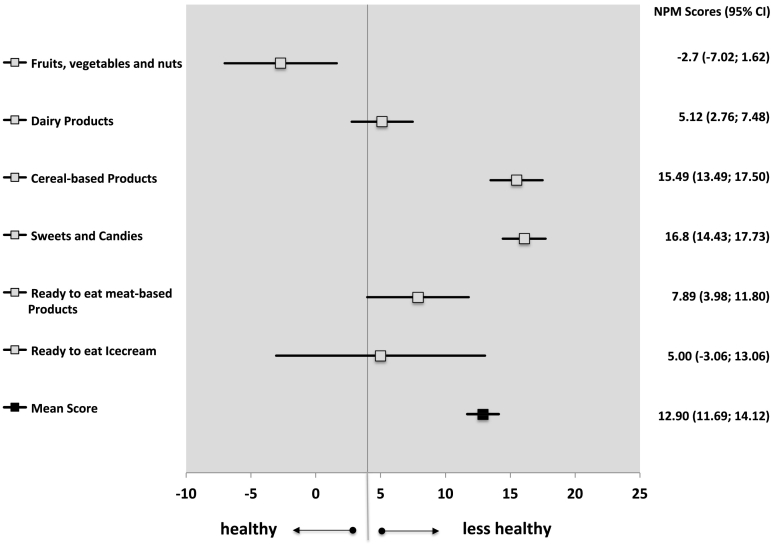
Food marketing for children is a major concern for public health nutrition and many schools make efforts to increase healthy eating. Food environments surrounding schools in urban areas may undermine these efforts for healthy nutrition within school programs. Our study aim is to describe the nutrition environment within walking distance of schools in terms of food quality and food marketing and to explore the degree to which elements of the nutrition environment varies by proximity to schools. In a cross-sectional study, we analyzed the surrounding food environments of a convenience sample of 46 target schools within 950m walking distance in 7 different urban districts across Vienna, Austria. In total, we analyzed data from 67 fast food outlets and 54 supermarkets analyzing a total of 43.129 packaged snack food and beverage products, from which 85% were for adults and 15% of the products were child-oriented. Proximity to the schools did not affect the availability of child-oriented products and dedicated food advertisements for children. After applying nutrient profiling using the Nutrient Profiling Model (NPM) on child-oriented products, results showed that 15.8% of the packaged snack food were categorized as "healthy" foods and 84.2% as "less healthy"; for beverages 65.7% were categorized as "healthy" and 34.3% as "less healthy". In conclusion, our results show that child-oriented snacks are not more frequently advertised around schools but substantially lack in nutritional quality with the potential to undermine efforts for promoting healthy eating practices within schools.
儿童食品营销是公共卫生营养领域的一个主要问题,许多学校都在努力促进健康饮食。城市地区学校周边的食品环境可能会破坏学校项目中为实现健康营养所做的这些努力。我们的研究目的是从食品质量和食品营销方面描述学校步行距离内的营养环境,并探讨营养环境要素随与学校距离的变化程度。在一项横断面研究中,我们分析了奥地利维也纳7个不同城区内950米步行距离内46所目标学校的便利样本周边的食品环境。我们总共分析了67家快餐店和54家超市的数据,共分析了43129种包装零食和饮料产品,其中85%是面向成人的,15%是面向儿童的产品。与学校的距离并不影响面向儿童产品的供应以及针对儿童的专门食品广告。在使用营养成分剖析模型(NPM)对面向儿童的产品进行营养成分剖析后,结果显示,15.8%的包装零食被归类为“健康”食品,84.2%为“不太健康”食品;对于饮料,65.7%被归类为“健康”,34.3%为“不太健康”。总之,我们的结果表明,面向儿童的零食在学校周边并非更频繁地做广告,但营养质量严重不足,有可能破坏学校内促进健康饮食行为的努力。