Bone and Soft Tissue Tumors Research Center of Yunnan Province, Department of Orthopaedics, The Third Affiliated Hospital of Kunming Medical University (Tumor Hospital of Yunnan Province), Kunming, Yunnan 650118, China.
Department of Biochemistry and Molecular Biology, Medical School, Southeast University, Nanjing, Jiangsu 210009, China; Department of Cell Biology, Harvard Medical School, Boston, MA 02115, USA.
EBioMedicine. 2017 May;19:49-59. doi: 10.1016/j.ebiom.2017.04.017. Epub 2017 Apr 11.
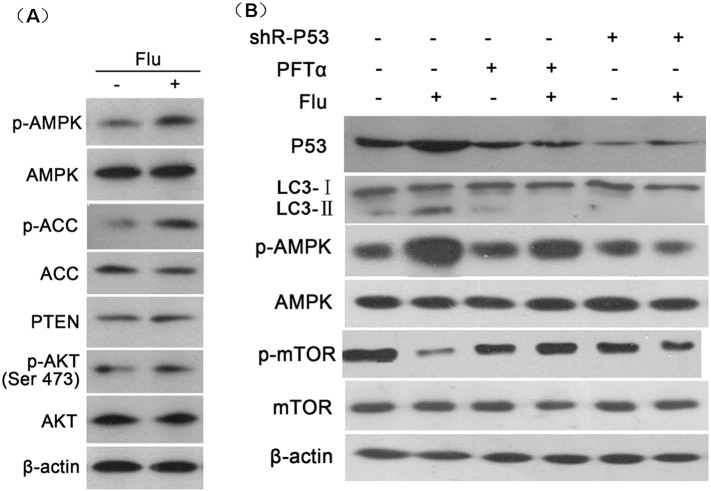
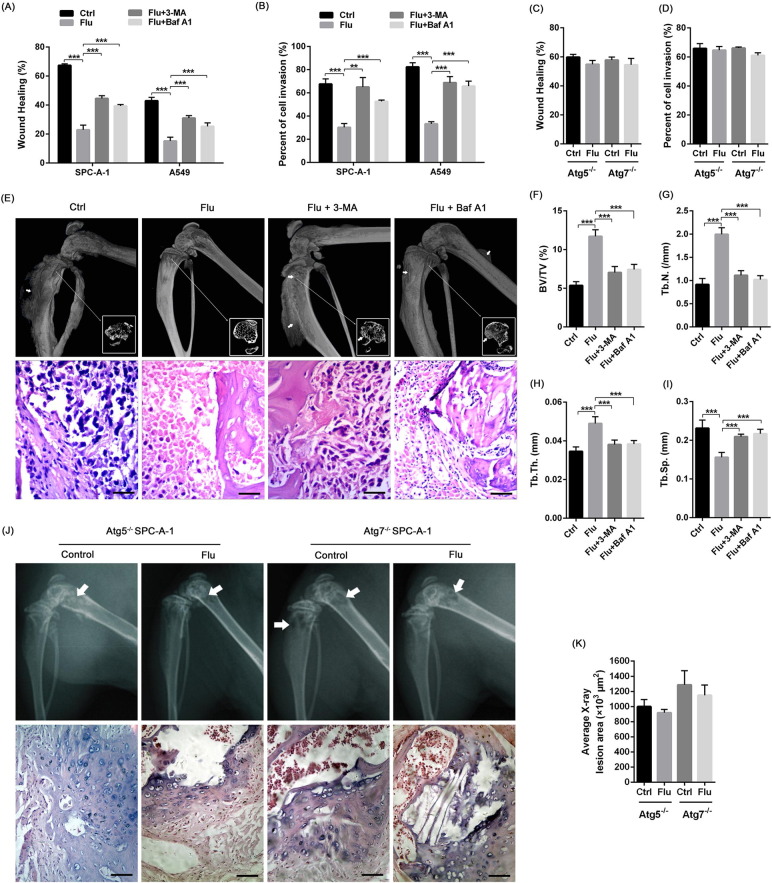
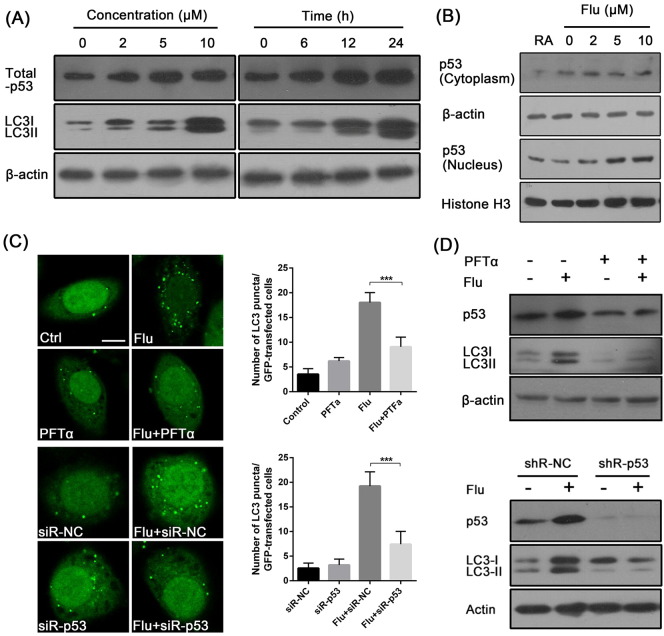
Bone is one of the most preferred sites of metastasis in lung cancer. Currently, bisphosphonates and denosumab are major agents for controlling tumor-associated skeletal-related events (SREs). However, both bisphosphonates and denosumab significantly increase the risk for jaw osteonecrosis. Statins, 3-hydroxy-3-methylglutaryl coenzyme A (HMG-CoA) reductase inhibitors and the most frequently prescribed cholesterol-lowering agents, have been reported to inhibit tumor progression and induce autophagy in cancer cells. However, the effects of statin and role of autophagy by statin on bone metastasis are unknown. In this study, we report that fluvastatin effectively prevented lung adenocarcinoma bone metastasis in a nude mouse model. We further reveal that fluvastatin-induced anti-bone metastatic property was largely dependent on its ability to induce autophagy in lung adenocarcinoma cells. Atg5 or Atg7 deletion, or 3-methyadenine (3-MA) or Bafilomycin A1 (Baf A1) treatment prevented the fluvastatin-induced suppression of bone metastasis. Furthermore, we reveal that fluvastatin stimulation increased the nuclear p53 expression, and fluvastatin-induced autophagy and anti-bone metastatic activity were mostly dependent on p53.
骨骼是肺癌转移的最常见部位之一。目前,双膦酸盐和地舒单抗是控制与肿瘤相关的骨骼相关事件(SREs)的主要药物。然而,双膦酸盐和地舒单抗都显著增加了颌骨坏死的风险。他汀类药物,即 3-羟基-3-甲基戊二酰辅酶 A(HMG-CoA)还原酶抑制剂,也是最常被开处的降胆固醇药物,据报道,他汀类药物可抑制肿瘤进展并诱导癌细胞自噬。然而,他汀类药物对骨转移的影响以及他汀类药物对自噬的作用尚不清楚。在这项研究中,我们报告氟伐他汀可有效预防裸鼠模型中的肺腺癌骨转移。我们进一步揭示,氟伐他汀诱导的抗骨转移特性在很大程度上取决于其诱导肺腺癌细胞自噬的能力。Atg5 或 Atg7 缺失,或 3-甲基腺嘌呤(3-MA)或巴弗洛霉素 A1(Baf A1)处理可阻止氟伐他汀诱导的骨转移抑制。此外,我们揭示氟伐他汀刺激增加了核 p53 表达,氟伐他汀诱导的自噬和抗骨转移活性主要依赖于 p53。