1 Department of Neuroscience, McKnight Brain Institute, University of Florida , Gainesville, Florida.
2 Genetics and Genomics Program, Genetics Institute, University of Florida , Gainesville, Florida.
Antioxid Redox Signal. 2018 Jun 20;28(18):1724-1745. doi: 10.1089/ars.2017.7111. Epub 2017 May 31.
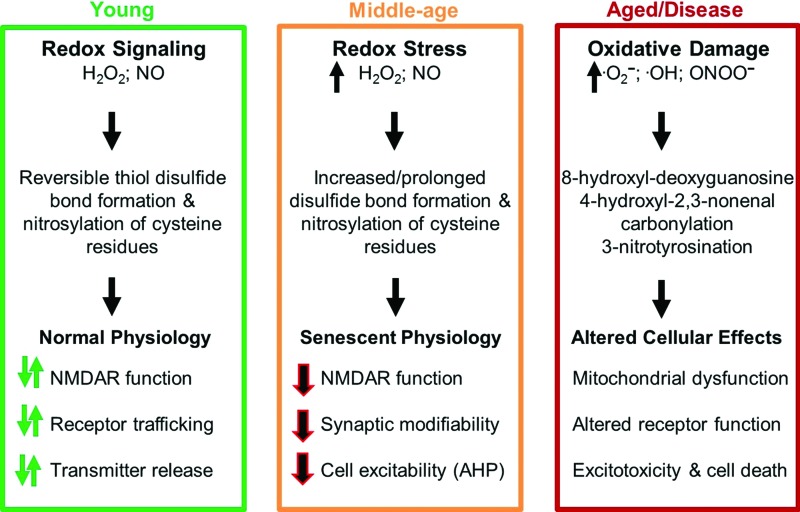
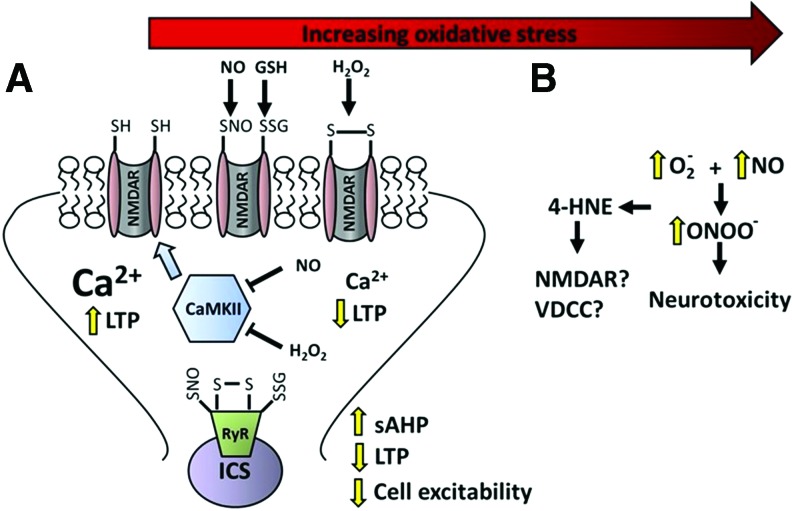
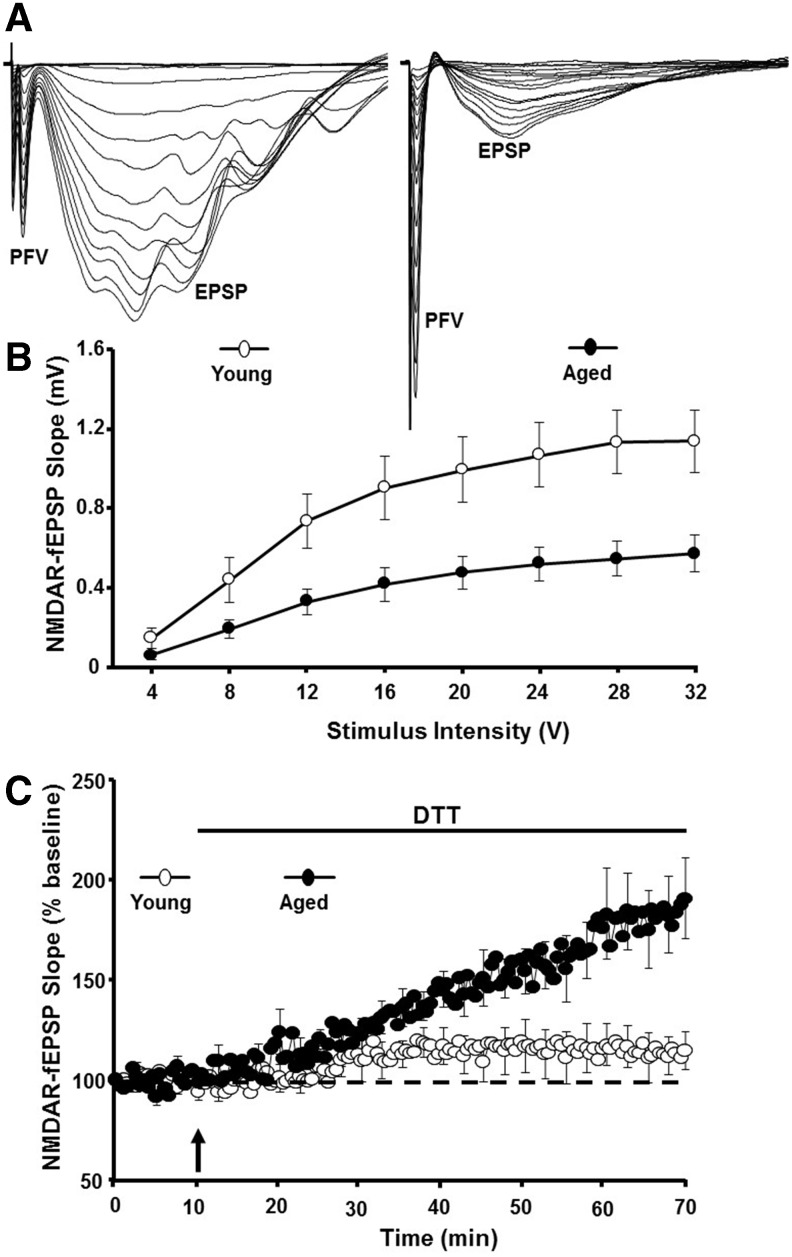
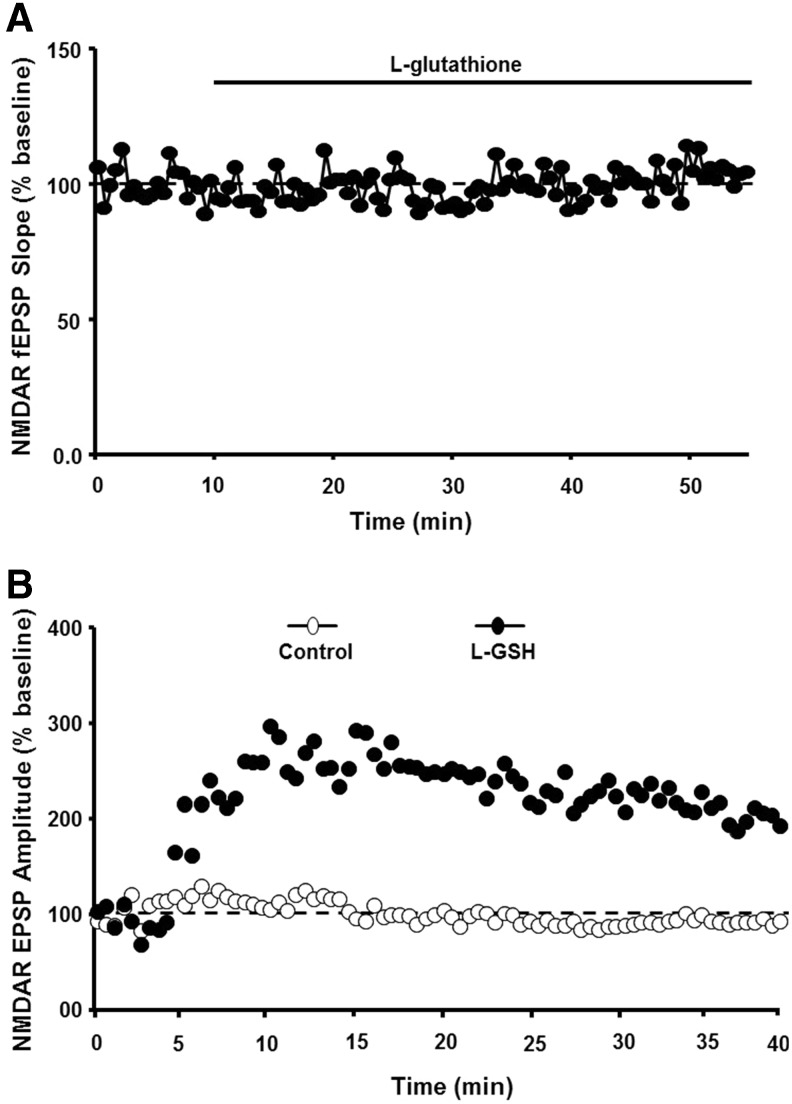
Oxidative stress increases in the brain with aging and neurodegenerative diseases. Previous work emphasized irreversible oxidative damage in relation to cognitive impairment. This research has evolved to consider a continuum of alterations, from redox signaling to oxidative damage, which provides a basis for understanding the onset and progression of cognitive impairment. This review provides an update on research linking redox signaling to altered function of neural circuits involved in information processing and memory. Recent Advances: Starting in middle age, redox signaling triggers changes in nervous system physiology described as senescent physiology. Hippocampal senescent physiology involves decreased cell excitability, altered synaptic plasticity, and decreased synaptic transmission. Recent studies indicate N-methyl-d-aspartate and ryanodine receptors and Ca signaling molecules as molecular substrates of redox-mediated senescent physiology.
We review redox homeostasis mechanisms and consider the chemical character of reactive oxygen and nitrogen species and their role in regulating different transmitter systems. In this regard, senescent physiology may represent the co-opting of pathways normally responsible for feedback regulation of synaptic transmission. Furthermore, differences across transmitter systems may underlie differential vulnerability of brain regions and neuronal circuits to aging and disease.
It will be important to identify the intrinsic mechanisms for the shift in oxidative/reductive processes. Intrinsic mechanism will depend on the transmitter system, oxidative stressors, and expression/activity of antioxidant enzymes. In addition, it will be important to identify how intrinsic processes interact with other aging factors, including changes in inflammatory or hormonal signals. Antioxid. Redox Signal. 28, 1724-1745.
随着年龄的增长和神经退行性疾病的发生,大脑中的氧化应激会增加。以前的工作强调了与认知障碍相关的不可逆转的氧化损伤。这项研究已经发展到考虑一个连续体的改变,从氧化还原信号到氧化损伤,这为理解认知障碍的发生和进展提供了基础。这篇综述提供了一个关于氧化还原信号与涉及信息处理和记忆的神经回路功能改变相关的研究的最新更新。
从中年开始,氧化还原信号引发了神经系统生理学的变化,这些变化被描述为衰老生理学。海马体衰老生理学涉及细胞兴奋性降低、突触可塑性改变和突触传递减少。最近的研究表明,N-甲基-D-天冬氨酸和兰尼碱受体以及钙信号分子是氧化还原介导的衰老生理学的分子底物。
我们回顾了氧化还原稳态机制,并考虑了活性氧和氮物种的化学性质及其在调节不同递质系统中的作用。在这方面,衰老生理学可能代表了通常负责突触传递反馈调节的途径的改变。此外,不同递质系统之间的差异可能是大脑区域和神经元回路对衰老和疾病易感性不同的基础。
确定氧化/还原过程转变的内在机制将是重要的。内在机制将取决于递质系统、氧化应激源以及抗氧化酶的表达/活性。此外,识别内在过程如何与其他衰老因素相互作用也很重要,包括炎症或激素信号的变化。抗氧化。氧化还原信号。28,1724-1745。