Ahearn J M, Hayward S D, Hickey J C, Fearon D T
Division of Molecular and Clinical Rheumatology, Johns Hopkins University School of Medicine, Baltimore, MD 21205.
Proc Natl Acad Sci U S A. 1988 Dec;85(23):9307-11. doi: 10.1073/pnas.85.23.9307.
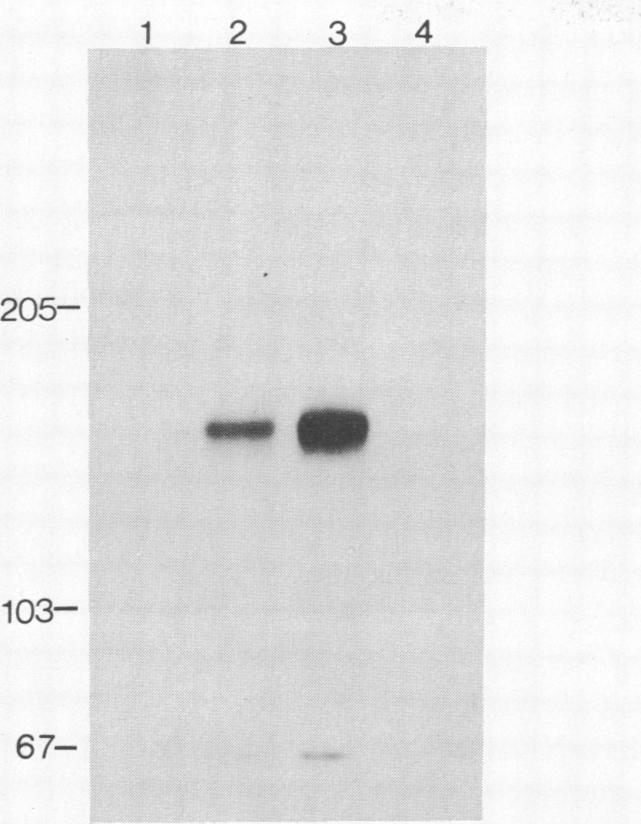
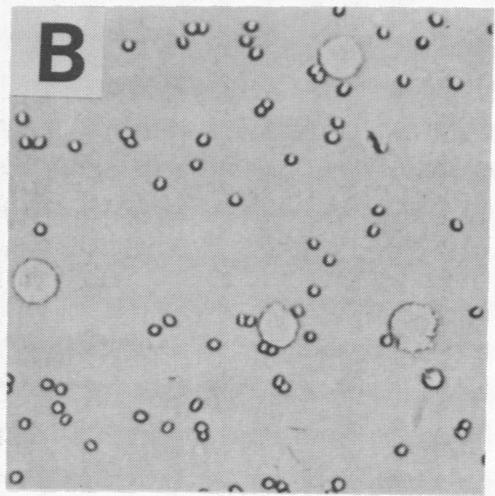
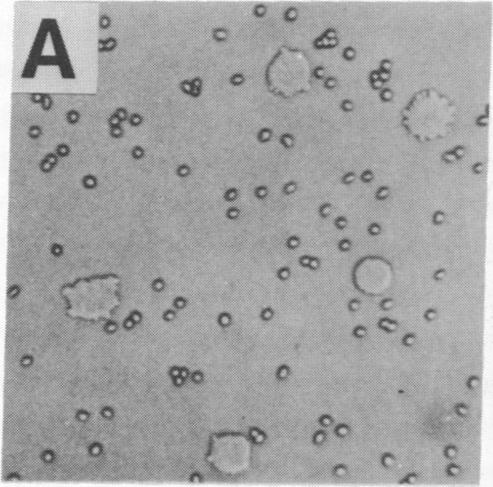
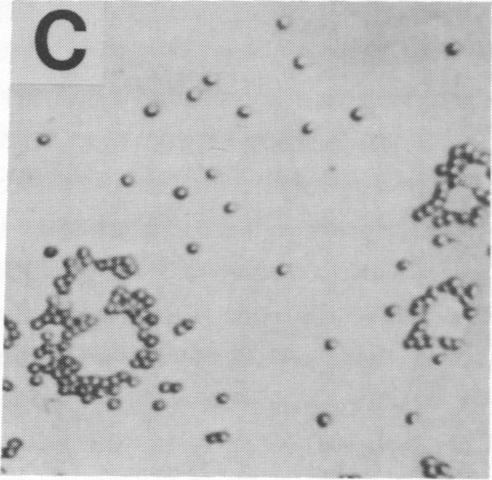
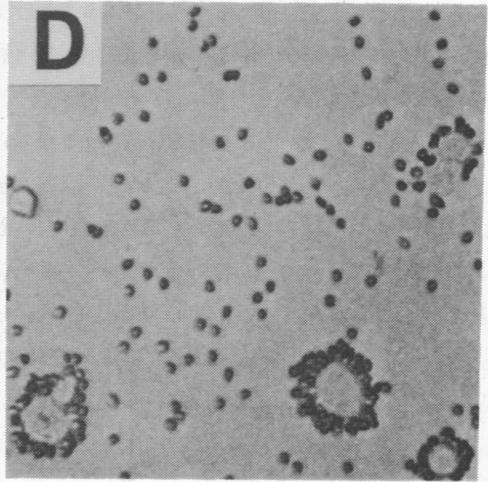
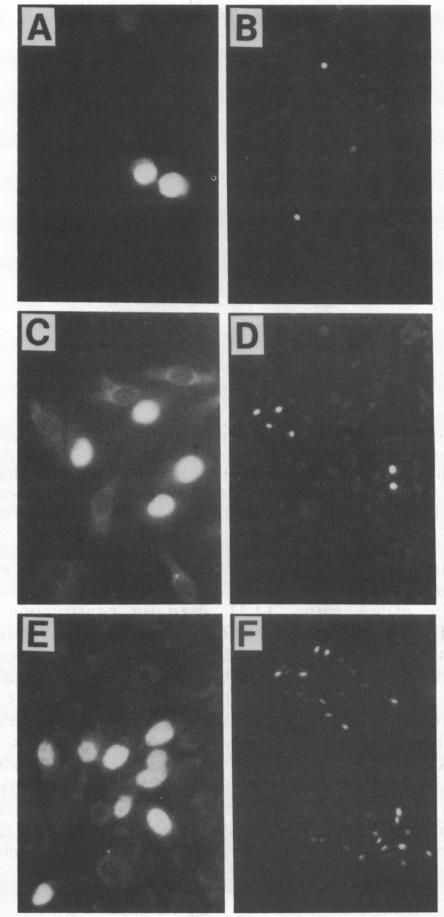
The normal host range of Epstein-Barr virus (EBV) is limited to primate B lymphocytes and certain epithelial cells that express the C3d/EBV receptor [complement receptor 2 (CR2, CD21)]. In the present study, expansion of the tissue tropism of EBV has been accomplished by stably transfecting the murine fibroblast L cell line with pMT.CR2. neo.1, a eukaryotic expression vector promoting the transcription of a complementary DNA insert encoding human CR2. High CR2-expressing transfected L cells were selected by fluorescence-activated cell sorting. The recombinant CR2 was shown to have the same molecular weight as wild-type CR2 from Raji cells and to mediate the binding by the transfectants of particles bearing the iC3b and C3d fragments of the third component of complement. All CR2-expressing L cells, but not nontransfected controls, also bound EBV, as assessed by indirect immunofluorescence. After a 60-hr culture, approximately 0.5% of the CR2-expressing cells preincubated with EBV demonstrated immunofluorescent staining of EBV nuclear antigen with serum from a patient with nasopharyngeal carcinoma. No fluorescent staining of cells was seen with monoclonal antibodies to the early antigen complex or to gp350/220, indicating that the infection was predominantly latent. Infected cells cultured for up to 4 weeks remained EBV nuclear antigen-positive. The capacity of recombinant human CR2 to confer on murine L cells susceptibility to stable latent infection by EBV indicates that this receptor is a primary determinant of the tissue tropism of EBV and may facilitate studies of cell-specific factors that regulate the viral growth cycle.
爱泼斯坦-巴尔病毒(EBV)的正常宿主范围仅限于灵长类B淋巴细胞和某些表达C3d/EBV受体[补体受体2(CR2,CD21)]的上皮细胞。在本研究中,通过用pMT.CR2.neo.1稳定转染鼠成纤维细胞L细胞系,实现了EBV组织嗜性的扩展,pMT.CR2.neo.1是一种真核表达载体,可促进编码人CR2的互补DNA插入片段的转录。通过荧光激活细胞分选筛选出高表达CR2的转染L细胞。结果显示,重组CR2的分子量与来自Raji细胞的野生型CR2相同,并介导转染细胞与携带补体第三成分iC3b和C3d片段的颗粒结合。通过间接免疫荧光评估,所有表达CR2的L细胞(而非未转染的对照细胞)也能结合EBV。培养60小时后,用鼻咽癌患者血清检测,约0.5%预先与EBV孵育的表达CR2的细胞显示出EBV核抗原的免疫荧光染色。用针对早期抗原复合物或gp350/220的单克隆抗体未观察到细胞的荧光染色,表明感染主要处于潜伏状态。培养长达4周的感染细胞仍保持EBV核抗原阳性。重组人CR2赋予鼠L细胞对EBV稳定潜伏感染的易感性,这表明该受体是EBV组织嗜性的主要决定因素,可能有助于研究调节病毒生长周期的细胞特异性因子。