Danesh Melissa, Murase Jenny E
Department of Dermatology, University of California, San Francisco, San Francisco, CA, USA.
Department of Dermatology, Palo Alto Foundation Medical Group, Mountain View, CA, USA.
Int J Womens Dermatol. 2015 May 14;1(2):104-107. doi: 10.1016/j.ijwd.2015.03.001. eCollection 2015 Jun.
Immunological changes in pregnancy are associated with improvements in some pre-existing immune-mediated skin diseases. Estrogen has been hypothesized to contribute to these changes by creating a shift from Th1 and Th17 to Th2 immunity. As this hypothesis would predict, psoriasis (a primarily Th17 mediated immune disease) tends to improve during pregnancy. However, the precise mechanism by which estrogen induces immunological change in psoriasis remains poorly understood.
To summarize the immunologic effects of estrogen as they relate to psoriasis during pregnancy.
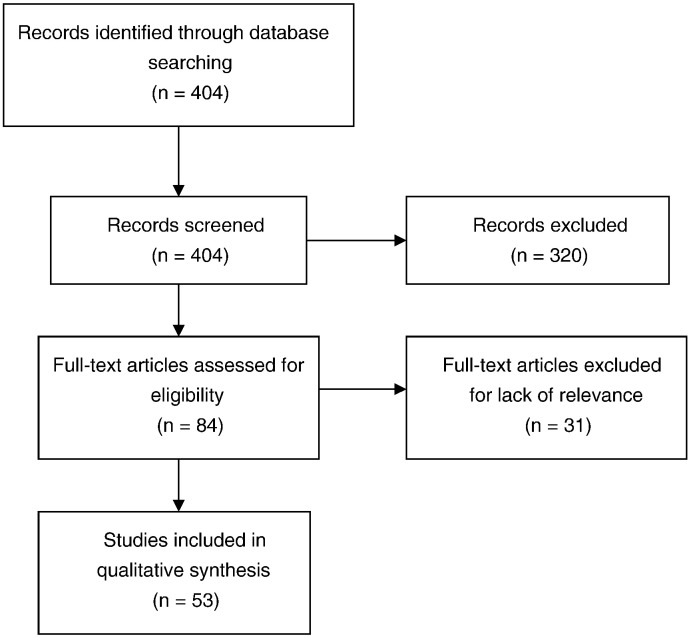
We performed an English-language PubMed search of articles from September 2004 to September 2014 combining the key terms "psoriasis," "estrogen," "autoimmune disease," and "pregnancy."
Estrogen appears to up-regulate Th2 cytokines and down-regulate Th1 and Th17 cytokines. This shift was initially observed in murine systems, which showed decreased mixed lymphocyte reactions of splenocytes and increased antibody production during pregnancy. Antigen stimulated splenocytes produced fewer Th1 cytokines and more Th2 cytokines in pregnant mice. IL17 producing T cells were significantly decreased in healthy pregnancies compared to non-pregnant controls.
This review is limited by the paucity of studies evaluating immunological changes of psoriasis in pregnancy among human subjects.
Increased estrogen production in pregnancy is associated with decreased Th1 and Th17 cytokine production. While estrogen may be responsible for some of these immune shifts resulting in disease improvement, there remains no definitive evidence to prove the hypothesis that estrogen is responsible for such improvement.
孕期的免疫变化与一些既往存在的免疫介导性皮肤病的改善有关。有假说认为,雌激素通过促使免疫从Th1和Th17向Th2转变,从而导致这些变化。正如该假说所预测的,银屑病(一种主要由Th17介导的免疫疾病)在孕期往往会改善。然而,雌激素诱导银屑病免疫变化的确切机制仍知之甚少。
总结孕期雌激素与银屑病相关的免疫效应。
我们在英文数据库PubMed中检索了2004年9月至2014年9月期间的文章,检索词组合为“银屑病”“雌激素”“自身免疫性疾病”和“妊娠”。
雌激素似乎上调Th2细胞因子并下调Th1和Th17细胞因子。这种转变最初在小鼠系统中观察到,该系统显示孕期脾细胞的混合淋巴细胞反应减少,抗体产生增加。在怀孕小鼠中,抗原刺激的脾细胞产生的Th1细胞因子减少,Th2细胞因子增多。与未怀孕对照组相比,健康孕期中产生IL17的T细胞显著减少。
本综述受限于评估人类受试者孕期银屑病免疫变化的研究较少。
孕期雌激素分泌增加与Th1和Th17细胞因子产生减少有关。虽然雌激素可能是导致某些免疫转变从而使疾病改善的原因之一,但仍没有确凿证据证明雌激素导致这种改善的假说。