Muñoz Julian E, Rossi Diego C P, Ishida Kelly, Spadari Cristina C, Melhem Marcia S C, Garcia Daniel M, Caires Antonio C F, Taborda Carlos P, Rodrigues Elaine G
Department of Microbiology, Biomedical Sciences Institute, University of São PauloSão Paulo, Brazil.
Faculty of Health Sciences, Colegio Mayor de Cundinamarca UniversityBogotá, Colombia.
Front Microbiol. 2017 May 3;8:771. doi: 10.3389/fmicb.2017.00771. eCollection 2017.
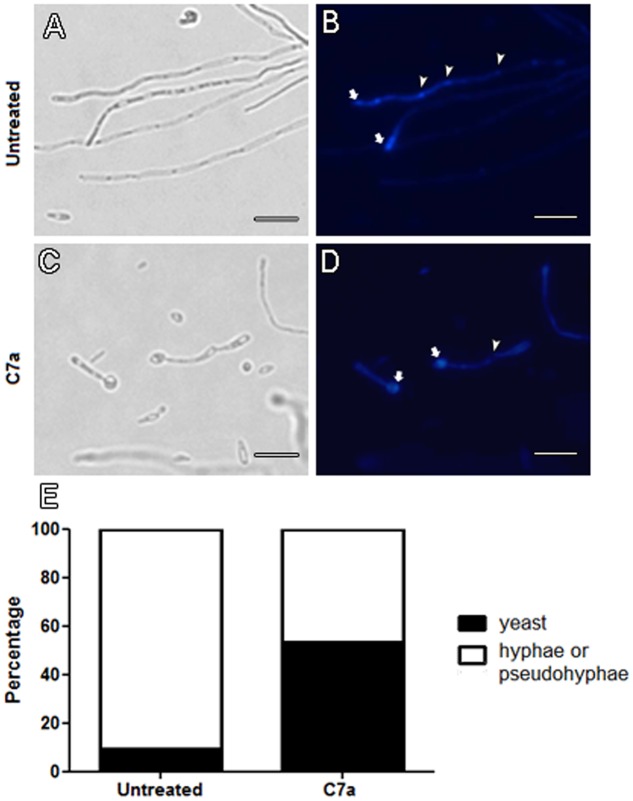
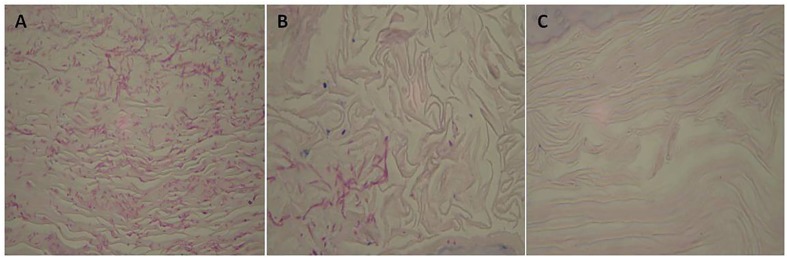
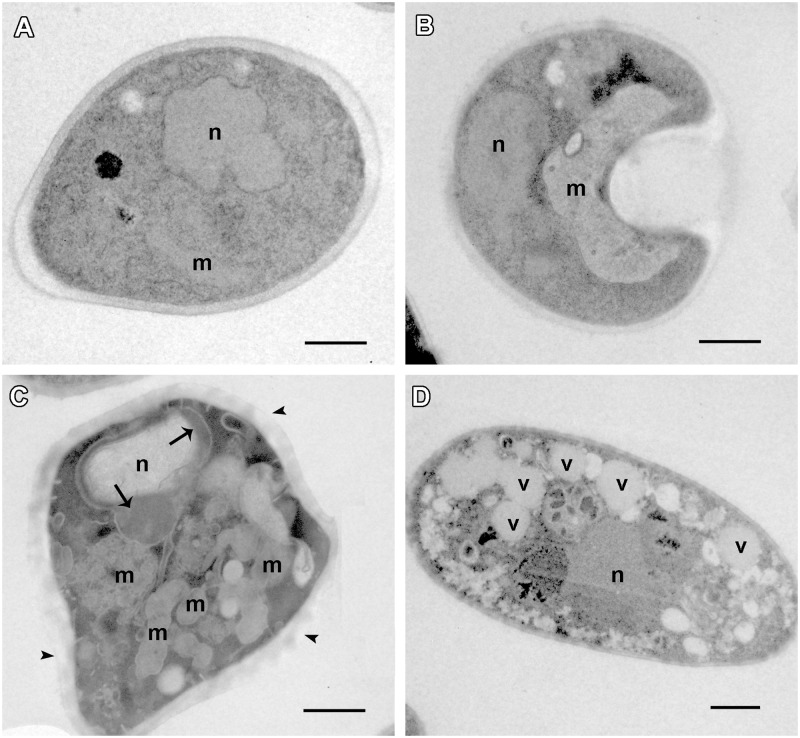
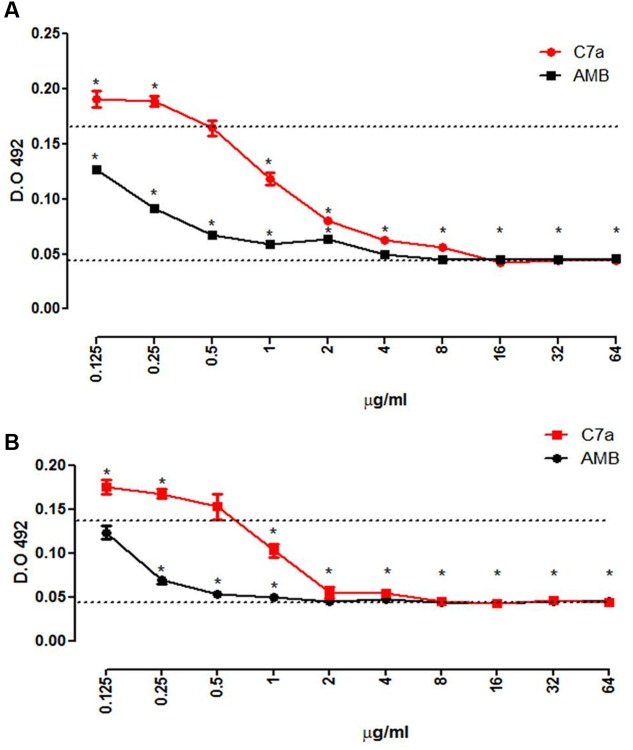
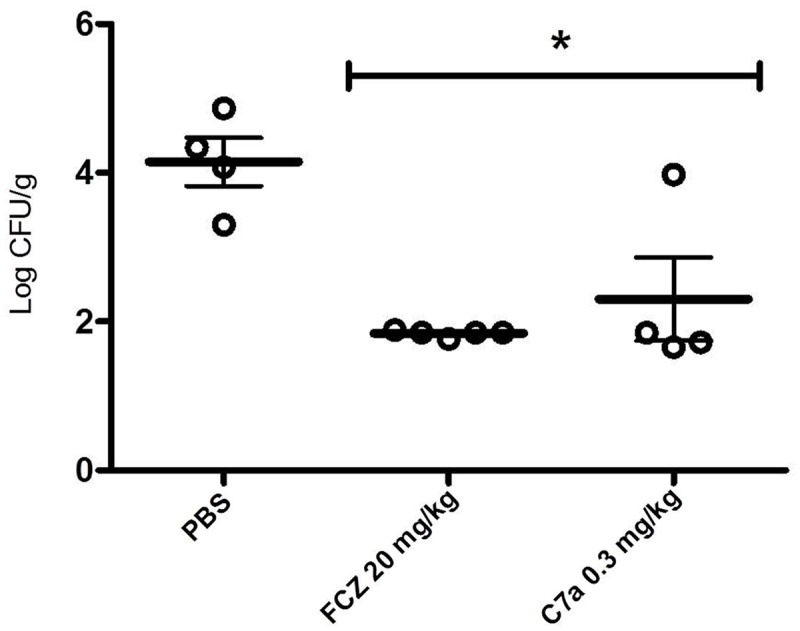
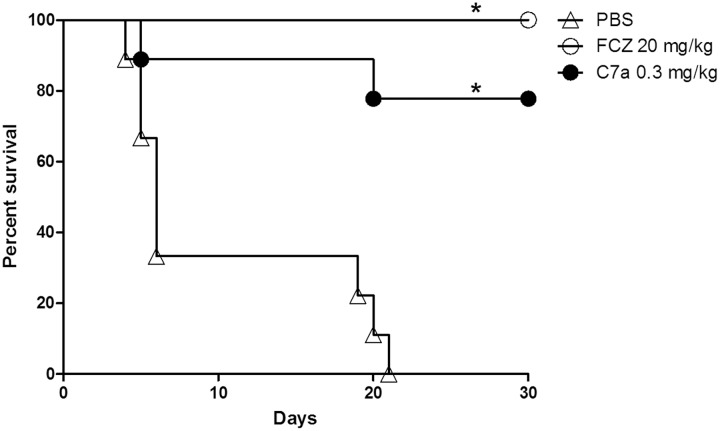
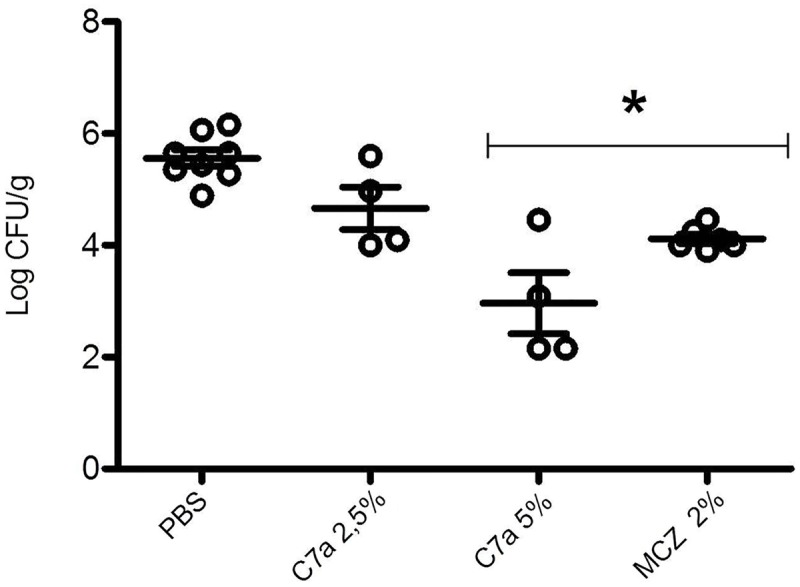
Vulvovaginal and invasive candidiasis are frequent conditions in immunosuppressed individuals caused by and non- spp. Fluconazole and Amphotericin B are the main drugs used to fight the infection. However, resistance to fluconazole and other azole antifungal drugs is an important clinical problem that encourages the search for new therapeutic alternatives. In this work, we evaluate the antifungal activity of the biphosphinic cyclopalladate C7a in the and model. Our results showed fungicidal activity, with low values of minimal inhibitory concentrations and minimum fungicidal concentrations, even for fluconazole and/or miconazole resistant isolates. Fluorescence microscopy and transmission electron microscopy revealed that the compound was able to inhibit the formation of hyphae/pseudohyphae and, moreover, promoted morphological alterations in cellular organelles and structures, such as disruption of cell wall, apparent mitochondrial swelling, chromatin marginalization into the nuclei and increased numbers of electron-lucent vacuoles. C7a significantly decreased the biofilm formation and reduced the viability of yeast cells in mature biofilms when tested against a virulent strain. assays demonstrated a significant decrease of fungal burden in local (vaginal canal) and disseminated (kidneys) infection. In addition, we observed a significant increase in the survival of the systemically infected animals treated with C7a. Our results suggest C7a as a novel therapeutic agent for vaginal and disseminated candidiasis, and an alternative for conventional drug-resistant .
外阴阴道念珠菌病和侵袭性念珠菌病在免疫抑制个体中很常见,由白色念珠菌和非白色念珠菌引起。氟康唑和两性霉素B是用于对抗感染的主要药物。然而,对氟康唑和其他唑类抗真菌药物的耐药性是一个重要的临床问题,这促使人们寻找新的治疗选择。在这项工作中,我们评估了双膦酸环钯化合物C7a在白色念珠菌和热带念珠菌模型中的抗真菌活性。我们的结果显示了杀菌活性,即使对于氟康唑和/或咪康唑耐药的白色念珠菌分离株,其最小抑菌浓度和最小杀菌浓度值也很低。荧光显微镜和透射电子显微镜显示,该化合物能够抑制菌丝/假菌丝的形成,此外,还能促进细胞器和结构的形态改变,如细胞壁破坏、明显的线粒体肿胀、染色质边缘化进入细胞核以及电子透明空泡数量增加。当针对毒力较强的白色念珠菌菌株进行测试时,C7a显著降低了生物膜的形成,并降低了成熟生物膜中酵母细胞的活力。体内试验表明,局部(阴道)和播散性(肾脏)感染中的真菌负荷显著降低。此外,我们观察到用C7a治疗的全身感染动物的存活率显著提高。我们的结果表明,C7a可作为治疗阴道和播散性念珠菌病的新型治疗药物,以及传统耐药白色念珠菌的替代药物。