Meehan Leslie A, Whitfield Geoffrey P
Nashville Area Metropolitan Planning Organization.
Centers for Disease Control and Prevention, National Center for Environmental Health, Healthy Community Design Initiative.
J Transp Health. 2017 Mar;4:325-333. doi: 10.1016/j.jth.2017.01.002. Epub 2017 Feb 8.
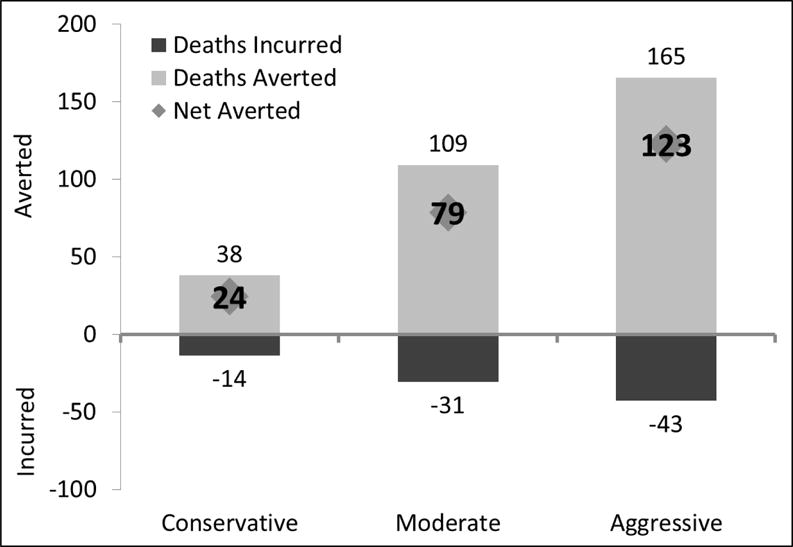
The Nashville Area Metropolitan Planning Organization (MPO) is among the first MPOs in the United States to recognize the interplay of transportation and public health, particularly regarding physical activity, air pollution, and traffic crashes. The Nashville MPO has taken a multifaceted approach to simultaneously improve the transportation system, quality of life, and health status of the region's population. The purpose of this paper is to describe the multiple programs and projects that the MPO has undertaken to this end, so that other cities might learn from Nashville's example. The MPO's strategy comprised six processes. First, the MPO conducted the Regional Bicycle and Pedestrian Study in 2009 and 2014 that established priority issues to be addressed by bicycle and pedestrian projects in Regional Transportation Plans. Second, the MPO responded to public opinion by adopting new transportation policies in the 2035 and 2040 Regional Transportation Plans, including increasing bicycle and pedestrian options and expanding public transit. Third, the MPO created scoring criteria for proposed roadway projects that prioritized health impacts. Fourth, the MPO reserved funding for projects selected under the new criteria and established a new funding program, the Active Transportation Program. Fifth, the MPO conducted the Middle Tennessee Transportation and Health Study, one of the first regional studies in the nation linking transportation and health. Finally, the MPO implemented the Integrated Transport and Health Impact Model which predicts and monetizes population-level health impacts of shifting the population towards active transportation modes. Recent inventories of bicycle and pedestrian infrastructure suggest these interrelated processes are increasing opportunities for walking, bicycling, and public transit use in the region. Further, each of these projects has contributed to a growing appreciation in the region of the links between transportation and health, and continued evaluation efforts can determine if transportation behaviors and health outcomes are changing.
纳什维尔地区都市规划组织(MPO)是美国最早认识到交通与公共卫生相互作用的都市规划组织之一,特别是在体育活动、空气污染和交通事故方面。纳什维尔MPO采取了多方面的方法,以同时改善该地区的交通系统、生活质量和人口健康状况。本文的目的是描述MPO为此开展的多个项目和计划,以便其他城市能够借鉴纳什维尔的经验。MPO的策略包括六个过程。首先,MPO在2009年和2014年进行了区域自行车和行人研究,确定了区域交通规划中自行车和行人项目需要解决的优先问题。其次,MPO通过在2035年和2040年区域交通规划中采用新的交通政策来回应公众意见,包括增加自行车和行人出行选择以及扩大公共交通。第三,MPO为拟议的道路项目制定了评分标准,将健康影响列为优先事项。第四,MPO为根据新标准选定的项目预留资金,并设立了一个新的资助计划,即主动交通计划。第五,MPO开展了田纳西州中部交通与健康研究,这是美国最早将交通与健康联系起来的区域研究之一。最后,MPO实施了综合交通与健康影响模型,该模型预测并将人口转向主动交通方式所产生的人口层面健康影响货币化。最近对自行车和行人基础设施的清查表明,这些相互关联的过程正在增加该地区步行、骑自行车和使用公共交通的机会。此外,这些项目中的每一个都促使该地区对交通与健康之间的联系有了越来越多的认识,持续的评估工作可以确定交通行为和健康结果是否正在发生变化。