Jeon Jin, Bong Sun Ju, Park Jong Seok, Park Young-Kyu, Arasu Mariadhas Valan, Al-Dhabi Naif Abdullah, Park Sang Un
Department of Crop Science, Chungnam National University, 99 Daehak-ro, Yuseong-gu, Daejeon, 34134, Korea.
Department of Horticulture, Chungnam National University, 99 Daehak-ro, Yuseong-gu, Daejeon, 34134, Korea.
BMC Genomics. 2017 May 23;18(1):401. doi: 10.1186/s12864-017-3792-5.
Watercress (Nasturtium officinale R. Br.) is an aquatic herb species that is a rich source of secondary metabolites such as glucosinolates. Among these glucosinolates, watercress contains high amounts of gluconasturtiin (2-phenethyl glucosinolate) and its hydrolysis product, 2-phennethyl isothiocyanate, which plays a role in suppressing tumor growth. However, the use of N. officinale as a source of herbal medicines is currently limited due to insufficient genomic and physiological information.
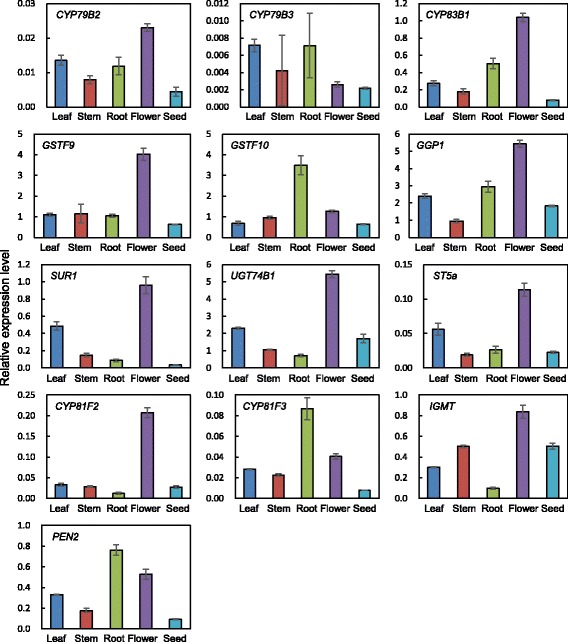
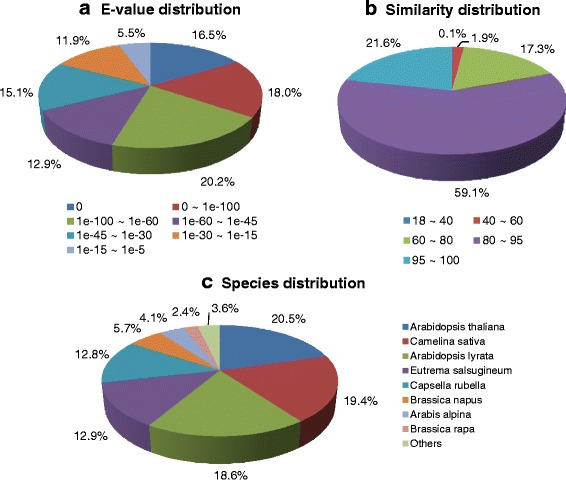
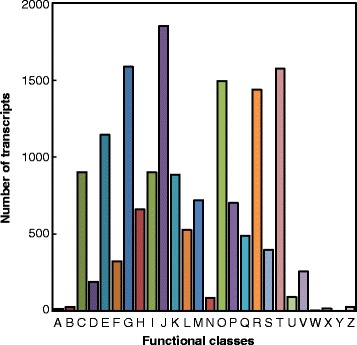
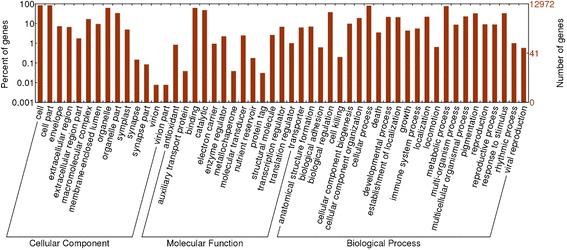
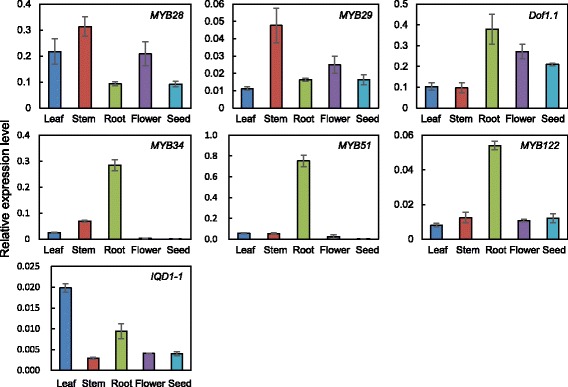
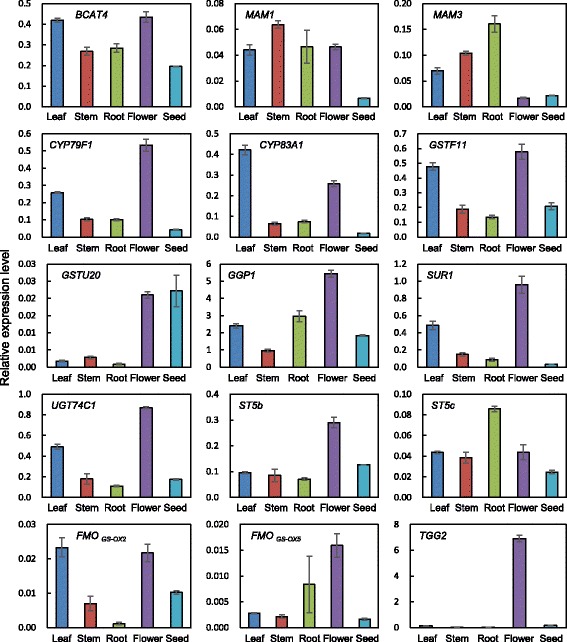
To acquire precise information on glucosinolate biosynthesis in N. officinale, we performed a comprehensive analysis of the transcriptome and metabolome of different organs of N. officinale. Transcriptome analysis of N. officinale seedlings yielded 69,570,892 raw reads. These reads were assembled into 69,635 transcripts, 64,876 of which were annotated to transcripts in public databases. On the basis of the functional annotation of N. officinale, we identified 33 candidate genes encoding enzymes related to glucosinolate biosynthetic pathways and analyzed the expression of these genes in the leaves, stems, roots, flowers, and seeds of N. officinale. The expression of NoMYB28 and NoMYB29, the main regulators of aliphatic glucosinolate biosynthesis, was highest in the stems, whereas the key regulators of indolic glucosinolate biosynthesis, such as NoDof1.1, NoMYB34, NoMYB51, and NoMYB122, were strongly expressed in the roots. Most glucosinolate biosynthetic genes were highly expressed in the flowers. HPLC analysis enabled us to detect eight glucosinolates in the different organs of N. officinale. Among these glucosinolates, the level of gluconasturtiin was considerably higher than any other glucosinolate in individual organs, and the amount of total glucosinolates was highest in the flower.
This study has enhanced our understanding of functional genomics of N. officinale, including the glucosinolate biosynthetic pathways of this plant. Ultimately, our data will be helpful for further research on watercress bio-engineering and better strategies for exploiting its anti-carcinogenic properties.
西洋菜(豆瓣菜,Nasturtium officinale R. Br.)是一种水生草本植物,是次生代谢产物如硫代葡萄糖苷的丰富来源。在这些硫代葡萄糖苷中,西洋菜含有大量的葡糖菜素(2-苯乙基硫代葡萄糖苷)及其水解产物2-苯乙基异硫氰酸酯,后者在抑制肿瘤生长中发挥作用。然而,由于基因组和生理信息不足,目前将西洋菜用作草药来源受到限制。
为了获取西洋菜中硫代葡萄糖苷生物合成的精确信息,我们对西洋菜不同器官的转录组和代谢组进行了全面分析。西洋菜幼苗的转录组分析产生了69570892条原始读数。这些读数被组装成69635个转录本,其中64876个在公共数据库中被注释为转录本。基于西洋菜的功能注释,我们鉴定了33个编码与硫代葡萄糖苷生物合成途径相关酶的候选基因,并分析了这些基因在西洋菜的叶、茎、根、花和种子中的表达。脂肪族硫代葡萄糖苷生物合成的主要调节因子NoMYB28和NoMYB29在茎中的表达最高,而吲哚族硫代葡萄糖苷生物合成的关键调节因子,如NoDof1.1、NoMYB34、NoMYB51和NoMYB122,在根中强烈表达。大多数硫代葡萄糖苷生物合成基因在花中高表达。高效液相色谱分析使我们能够在西洋菜的不同器官中检测到8种硫代葡萄糖苷。在这些硫代葡萄糖苷中,葡糖菜素的含量在各个器官中均显著高于任何其他硫代葡萄糖苷,并且硫代葡萄糖苷的总量在花中最高。
本研究增进了我们对西洋菜功能基因组学的理解,包括该植物的硫代葡萄糖苷生物合成途径。最终,我们的数据将有助于进一步开展西洋菜生物工程研究,并为开发其抗癌特性提供更好的策略。