Zarei Iman, Brown Dustin G, Nealon Nora Jean, Ryan Elizabeth P
Department of Environmental & Radiological Health Sciences, College of Veterinary Medicine and Biological Sciences, Colorado State University, 1680 Campus Delivery, Fort Collins, CO, 80523, USA.
Institute of Human Nutrition and Food, College of Human Ecology, University of the Philippines Los Baños, Los Baños, 4031, Laguna, Philippines.
Rice (N Y). 2017 Dec;10(1):24. doi: 10.1186/s12284-017-0157-2. Epub 2017 Jun 2.
Rice bran is a functional food that has shown protection against major chronic diseases (e.g. obesity, diabetes, cardiovascular disease and cancer) in animals and humans, and these health effects have been associated with the presence of bioactive phytochemicals. Food metabolomics uses multiple chromatography and mass spectrometry platforms to detect and identify a diverse range of small molecules with high sensitivity and precision, and has not been completed for rice bran.
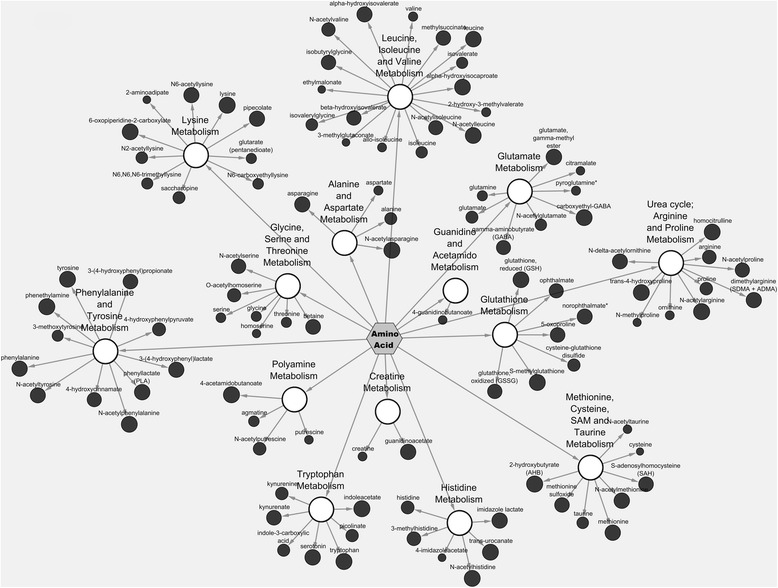
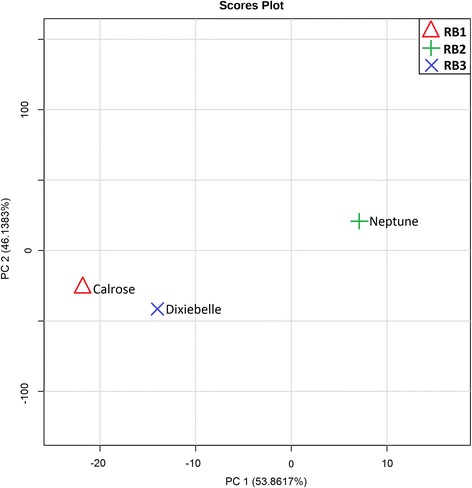
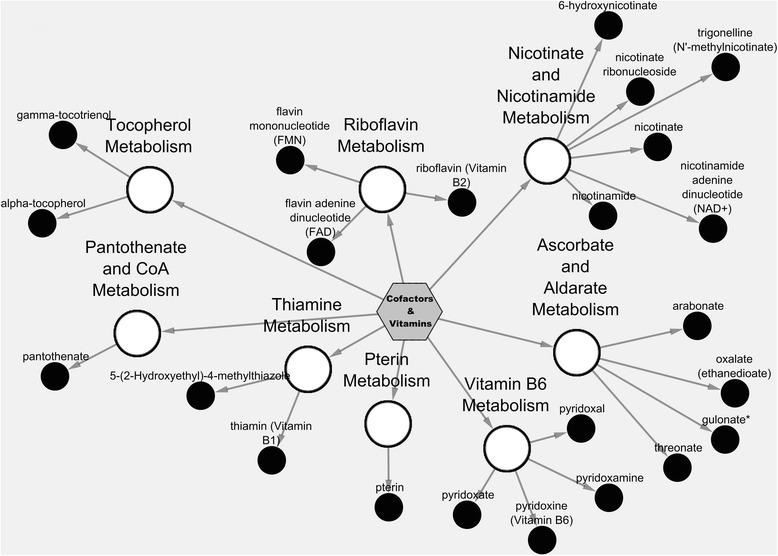
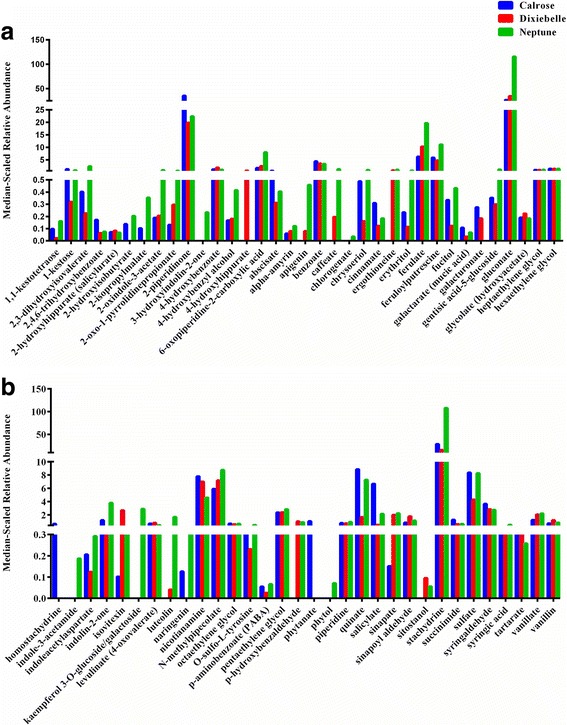
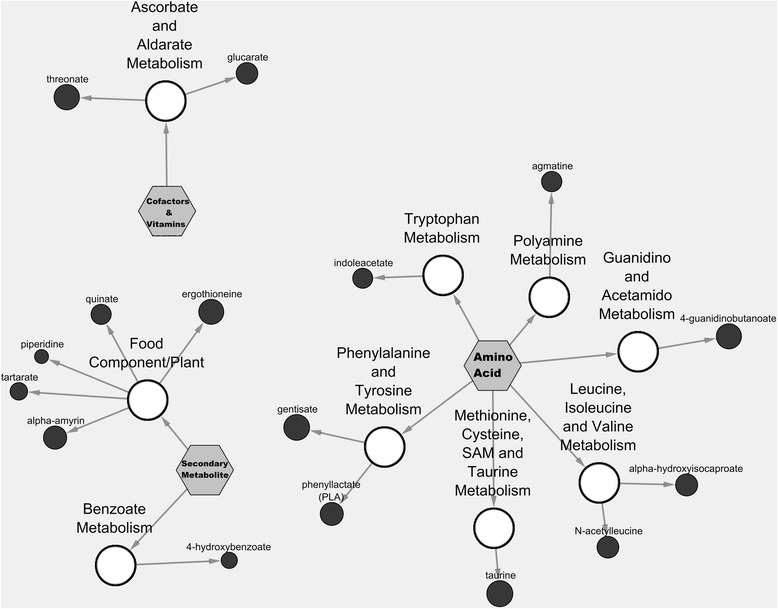
This study utilized global, non-targeted metabolomics to identify small molecules in rice bran, and conducted a comprehensive search of peer-reviewed literature to determine bioactive compounds. Three U.S. rice varieties (Calrose, Dixiebelle, and Neptune), that have been used for human dietary intervention trials, were assessed herein for bioactive compounds that have disease control and prevention properties. The profiling of rice bran by ultra-performance liquid chromatography-tandem mass spectrometry (UPLC-MS/MS) and gas chromatography-mass spectrometry (GC-MS) identified 453 distinct phytochemicals, 209 of which were classified as amino acids, cofactors & vitamins, and secondary metabolites, and were further assessed for bioactivity. A scientific literature search revealed 65 compounds with health properties, 16 of which had not been previously identified in rice bran. This suite of amino acids, cofactors & vitamins, and secondary metabolites comprised 46% of the identified rice bran metabolome, which substantially enhanced our knowledge of health-promoting rice bran compounds provided during dietary supplementation.
Rice bran metabolite profiling revealed a suite of biochemical molecules that can be further investigated and exploited for multiple nutritional therapies and medical food applications. These bioactive compounds may also be biomarkers of dietary rice bran intake. The medicinal compounds associated with rice bran can function as a network across metabolic pathways and this metabolite network may occur via additive and synergistic effects between compounds in the food matrix.
米糠是一种功能性食品,在动物和人类中已显示出对主要慢性疾病(如肥胖、糖尿病、心血管疾病和癌症)具有保护作用,这些健康效应与生物活性植物化学物质的存在有关。食品代谢组学使用多种色谱和质谱平台,以高灵敏度和高精度检测和鉴定各种小分子,但米糠的相关研究尚未完成。
本研究利用全局非靶向代谢组学来鉴定米糠中的小分子,并全面检索同行评审文献以确定生物活性化合物。本文评估了三种已用于人体饮食干预试验的美国水稻品种(Calrose、Dixiebelle和Neptune)中具有疾病控制和预防特性的生物活性化合物。通过超高效液相色谱-串联质谱(UPLC-MS/MS)和气相色谱-质谱(GC-MS)对米糠进行分析,鉴定出453种不同的植物化学物质,其中209种被归类为氨基酸、辅因子和维生素以及次生代谢产物,并进一步评估其生物活性。科学文献检索发现65种具有健康特性的化合物,其中16种以前未在米糠中鉴定出。这组氨基酸、辅因子和维生素以及次生代谢产物占已鉴定米糠代谢组的46%,大大增强了我们对饮食补充过程中提供的促进健康的米糠化合物的认识。
米糠代谢物分析揭示了一组生化分子,可进一步研究和用于多种营养疗法及医用食品应用。这些生物活性化合物也可能是饮食中米糠摄入量的生物标志物。与米糠相关的药用化合物可作为跨代谢途径的网络发挥作用,这种代谢物网络可能通过食品基质中化合物之间的加性和协同效应而产生。