Sullivan Con, Lage Christopher R, Yoder Jeffrey A, Postlethwait John H, Kim Carol H
Department of Molecular and Biomedical Sciences, University of Maine, Orono, Maine, United States of America.
Graduate School of Biomedical Sciences and Engineering, University of Maine, Orono, Maine, United States of America.
PLoS One. 2017 Jun 28;12(6):e0179517. doi: 10.1371/journal.pone.0179517. eCollection 2017.
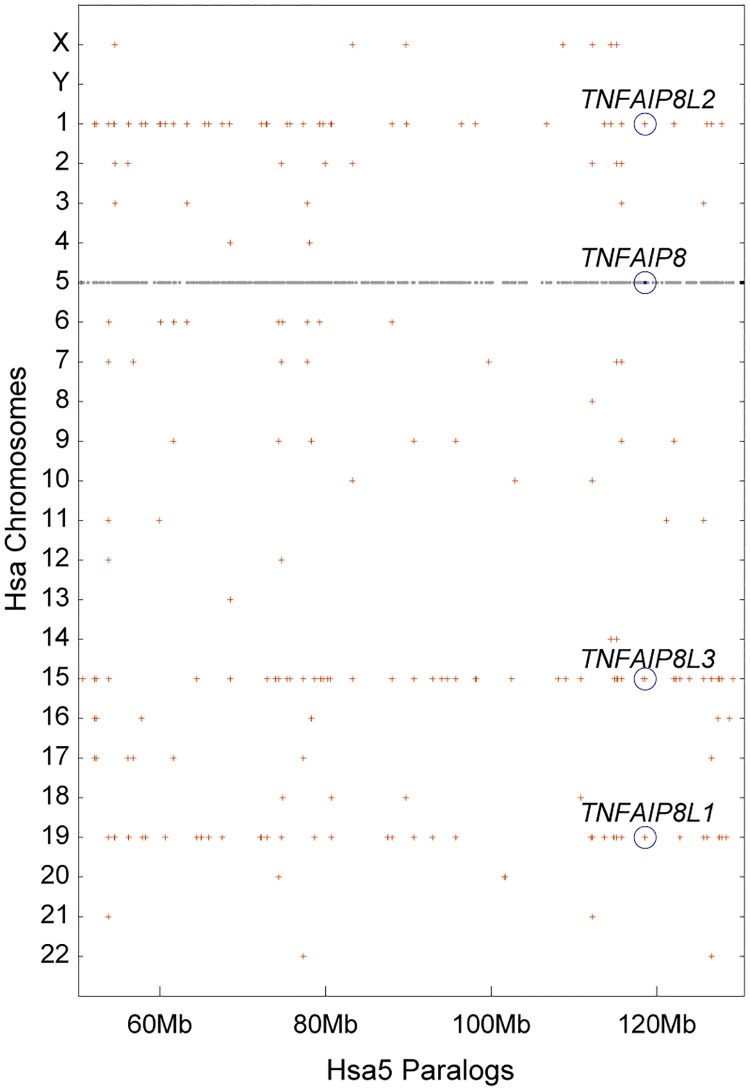
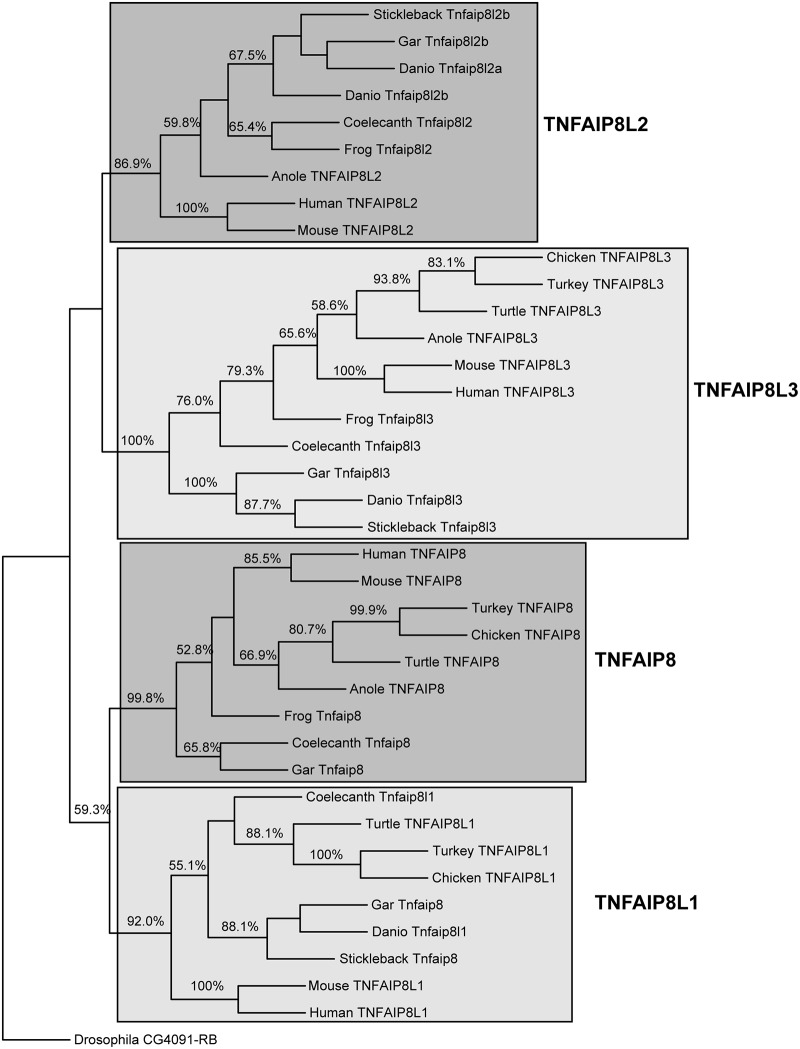
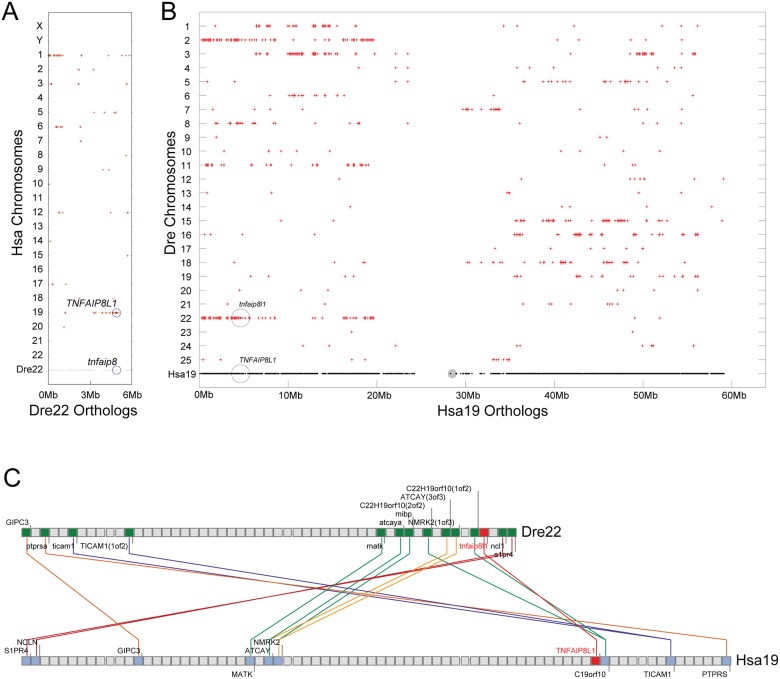
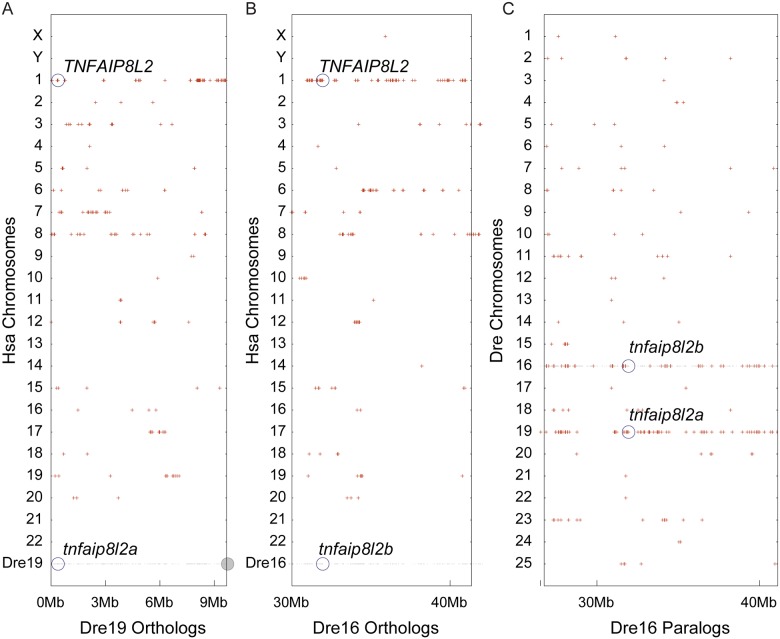
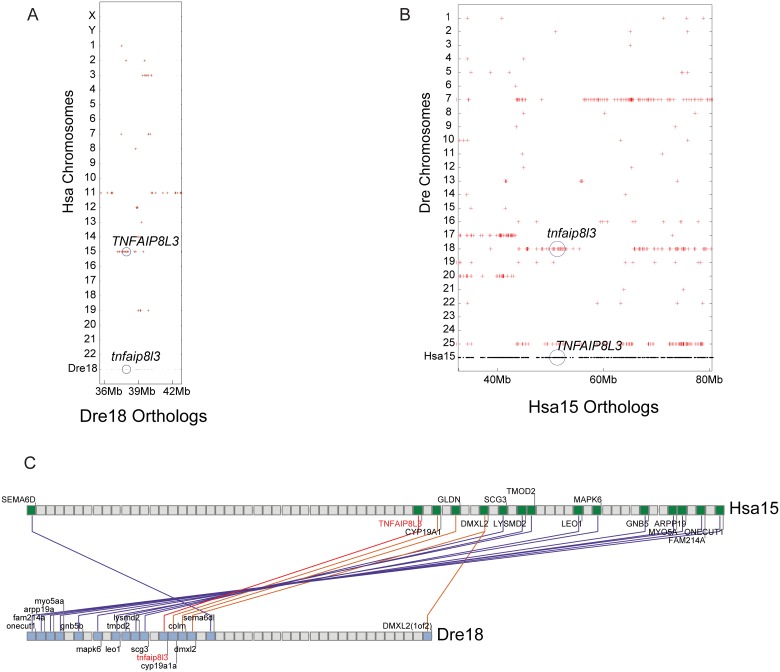
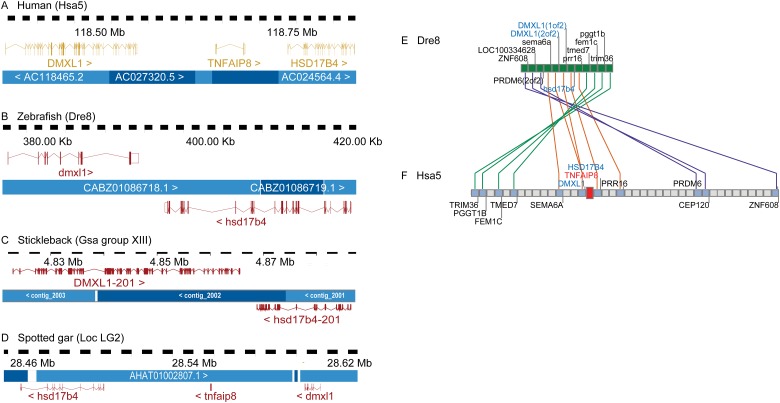
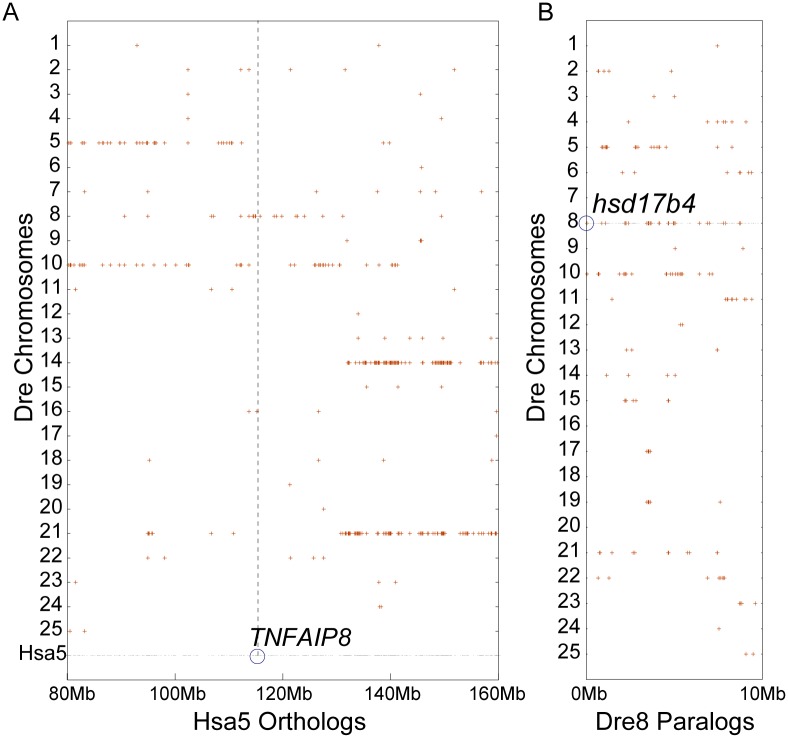
Comparative functional genomic studies require the proper identification of gene orthologs to properly exploit animal biomedical research models. To identify gene orthologs, comprehensive, conserved gene synteny analyses are necessary to unwind gene histories that are convoluted by two rounds of early vertebrate genome duplication, and in the case of the teleosts, a third round, the teleost genome duplication (TGD). Recently, the genome of the spotted gar, a holostean outgroup to the teleosts that did not undergo this third genome duplication, was sequenced and applied as an orthology bridge to facilitate the identification of teleost orthologs to human genes and to enhance the power of teleosts as biomedical models. In this study, we apply the spotted gar orthology bridge to help describe the gene history of the vertebrate TNFAIP8 family. Members of the TNFAIP8 gene family have been linked to regulation of immune function and homeostasis and the development of multiple cancer types. Through a conserved gene synteny analysis, we identified zebrafish orthologs to human TNFAIP8L1 and TNFAIP8L3 genes and two co-orthologs to human TNFAIP8L2, but failed to identify an ortholog to human TNFAIP8. Through the application of the orthology bridge, we determined that teleost orthologs to human TNFAIP8 genes were likely lost in a genome inversion event after their divergence from their common ancestor with spotted gar. These findings demonstrate the value of this enhanced approach to gene history analysis and support the development of teleost models to study complex questions related to an array of biomedical issues, including immunity and cancer.
比较功能基因组学研究需要正确识别基因直系同源物,以便恰当地利用动物生物医学研究模型。为了识别基因直系同源物,全面、保守的基因共线性分析是必要的,以梳理因两轮早期脊椎动物基因组复制而变得错综复杂的基因历史,而对于硬骨鱼来说,还有第三轮,即硬骨鱼基因组复制(TGD)。最近,斑点雀鳝(一种未经历这第三次基因组复制的硬骨鱼外类群)的基因组被测序,并被用作直系同源桥梁,以促进识别硬骨鱼与人类基因的直系同源物,并增强硬骨鱼作为生物医学模型的作用。在本研究中,我们应用斑点雀鳝直系同源桥梁来帮助描述脊椎动物TNFAIP8家族的基因历史。TNFAIP8基因家族的成员与免疫功能和内稳态的调节以及多种癌症类型的发展有关。通过保守的基因共线性分析,我们鉴定出斑马鱼中与人类TNFAIP8L1和TNFAIP8L3基因的直系同源物,以及与人类TNFAIP8L2的两个共同直系同源物,但未能鉴定出与人类TNFAIP8的直系同源物。通过应用直系同源桥梁,我们确定硬骨鱼与人类TNFAIP8基因的直系同源物在与斑点雀鳝的共同祖先分化后,可能在一次基因组倒位事件中丢失了。这些发现证明了这种增强的基因历史分析方法的价值,并支持开发硬骨鱼模型来研究与一系列生物医学问题相关的复杂问题,包括免疫和癌症。