Bendale Yogesh, Bendale Vineeta, Paul Saili
Research and Development Section, Rasayani Biologics Private Limited, Pune, India.
Integr Med Res. 2017 Jun;6(2):141-148. doi: 10.1016/j.imr.2017.01.006. Epub 2017 Feb 3.
Plant mediated green synthesis of nanoparticles is an eco-friendly and efficacious approach which finds immense application in the field of medicine. This study aimed to evaluate the cytotoxicity of platinum nanoparticles (ptNPs) synthesized through green technology against normal and different cancer cell lines.
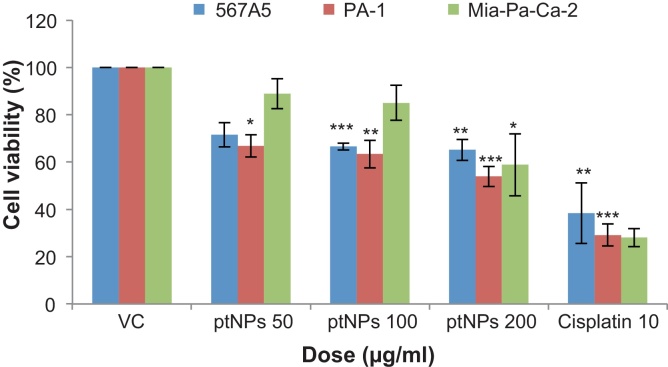
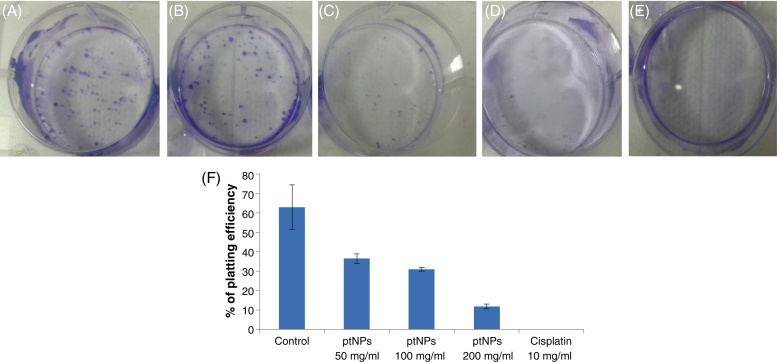
Platinum nanoparticles were synthesized by green technology and characterized earlier. In this study we examined the cytotoxic effect of platinum nanoparticles (ptNPs) on human lung adenocarcinoma (A549), ovarian teratocarcinoma (PA-1), pancreatic cancer (Mia-Pa-Ca-2) cells and normal peripheral blood mononucleocyte (PBMC) cells and evaluate anticancer potential through induction of apoptosis on PA-1 cells if any. Cytotoxicity was evaluated using MTT assay, trypan blue dye exclusion assay and anticancer potential assessed through clonogenic assay, apoptosis assay, cell cycle analysis.
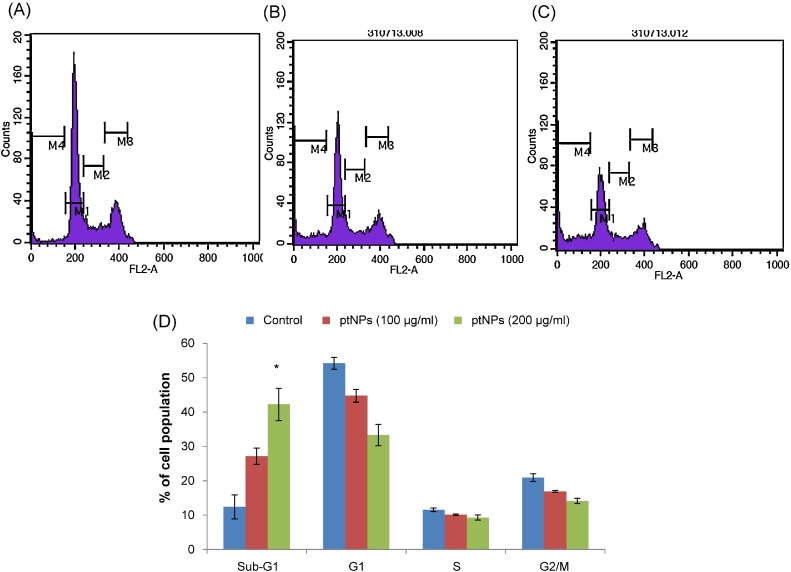
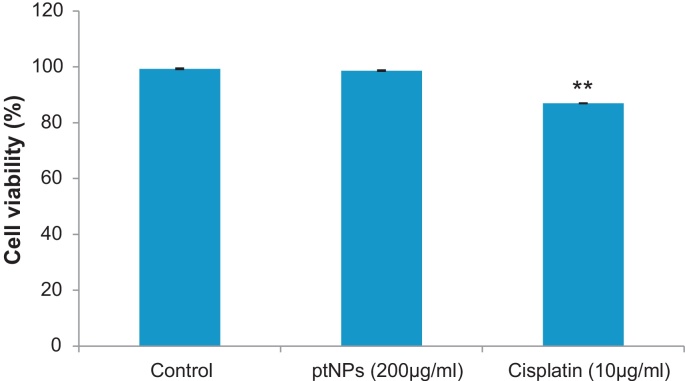
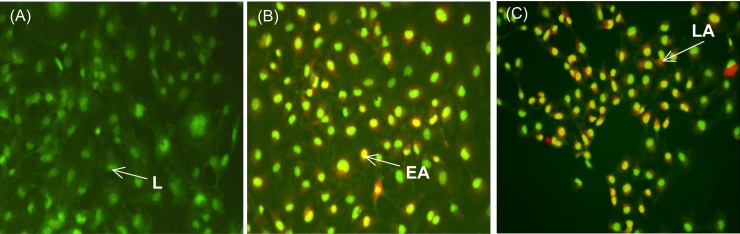
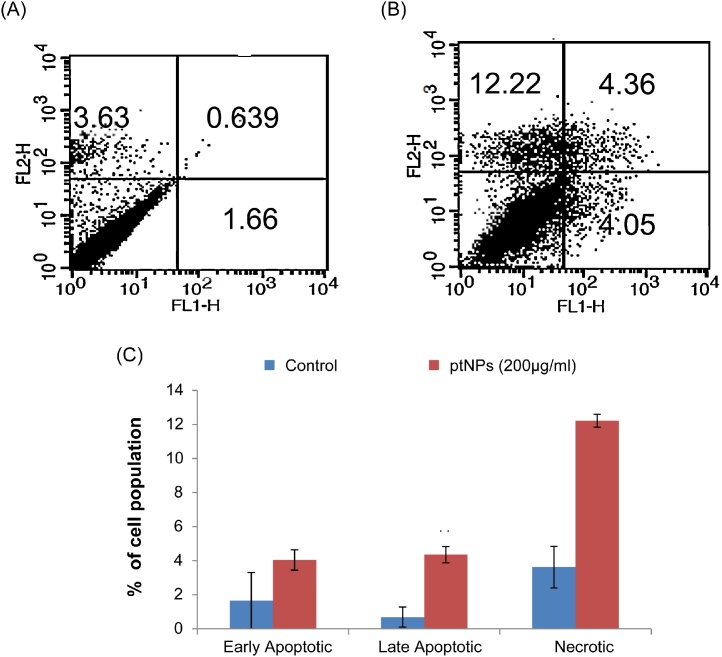
We found that ptNPs exerted cytotoxic effect on cancer cell lines, whereas no cytotoxic effect was observed at highest dose on normal cells. The results showed that ptNPs had potent anticancer activities against PA-1 cell line via induction of apoptosis and cell cycle arrest.
Overall, these findings have proved that biosynthesized ptNPs could be potent anti-ovarian cancer drugs. Further studies are required to elucidate the molecular mechanism of ptNPs induced anti-tumor effect .
植物介导的纳米颗粒绿色合成是一种生态友好且有效的方法,在医学领域有广泛应用。本研究旨在评估通过绿色技术合成的铂纳米颗粒(ptNPs)对正常细胞和不同癌细胞系的细胞毒性。
铂纳米颗粒通过绿色技术合成并已在之前进行了表征。在本研究中,我们检测了铂纳米颗粒(ptNPs)对人肺腺癌(A549)、卵巢畸胎癌(PA - 1)、胰腺癌细胞(Mia - Pa - Ca - 2)和正常外周血单核细胞(PBMC)的细胞毒性,并通过对PA - 1细胞诱导凋亡来评估其抗癌潜力(若有)。使用MTT法、台盼蓝拒染法评估细胞毒性,并通过克隆形成试验、凋亡试验、细胞周期分析评估抗癌潜力。
我们发现ptNPs对癌细胞系具有细胞毒性,而在最高剂量下对正常细胞未观察到细胞毒性。结果表明,ptNPs通过诱导凋亡和细胞周期阻滞对PA - 1细胞系具有强大的抗癌活性。
总体而言,这些发现证明生物合成的ptNPs可能是有效的抗卵巢癌药物。需要进一步研究以阐明ptNPs诱导抗肿瘤作用的分子机制。