Ophthalmic Research Unit Santiago Grisolia/FISABIO, and Cellular and Molecular Research Unit, University of Valencia, Valencia, Spain.
Spanish Net of Ophthalmic Pathology OFTARED, Institute of Health Carlos III, Madrid, Spain.
Curr Neuropharmacol. 2018;16(7):903-918. doi: 10.2174/1570159X15666170705101910.
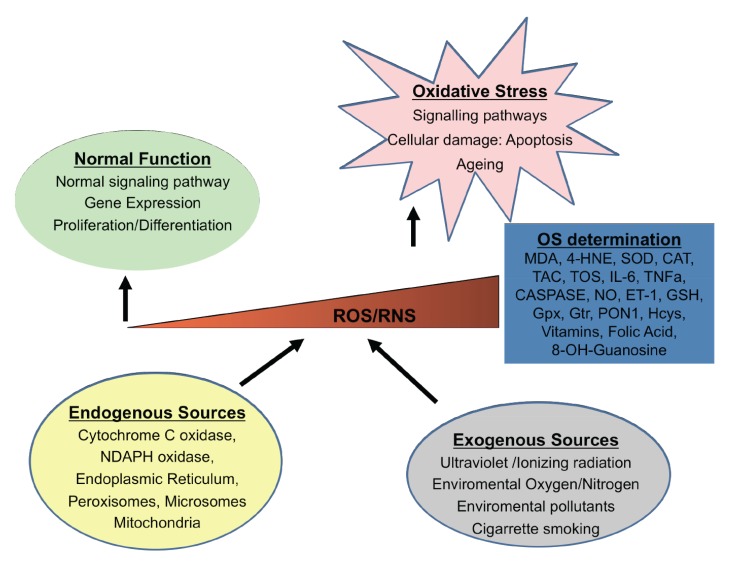
Primary open-angle glaucoma (POAG) is a multifactorial pathology involving a variety of pathogenic mechanisms, including oxidative/nitrosative stress. This latter is the consequence of the imbalance between excessive formation and insufficient protection against reactive oxygen/nitrogen species.
Our main goal is to gather molecular information to better managing pathologic variants that may determine the individual susceptibility to oxidative/nitrosative stress (OS/NS) and POAG.
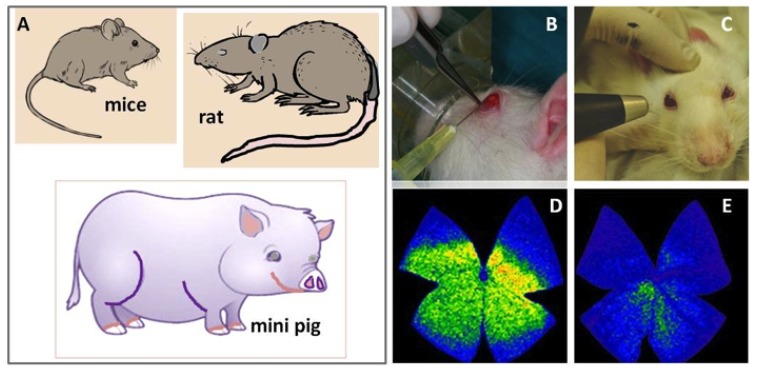
An extensive search of the scientific literature was conducted using PUBMED, the Web of Science, the Cochrane Library, and other references on the topic of POAG and OS/NS from human and animal model studies published between 2010 and 2017. Finally, 152 works containing relevant information that may help understanding the role of antioxidants, essential fatty acids, natural compounds and other similar strategies for counteracting OS/NS in POAG were considered.
A wide variety of studies have proven that antioxidants, among them vitamins B3, C and E, Coenzyme Q10 or melatonin, ω-3/ω-6 fatty acids and other natural compounds (such as coffee, green tea, bear bile, gingko biloba, coleus, tropical fruits, etc.,) may help regulating the intraocular pressure as well as protecting the retinal neurons against OS/NS in POAG.
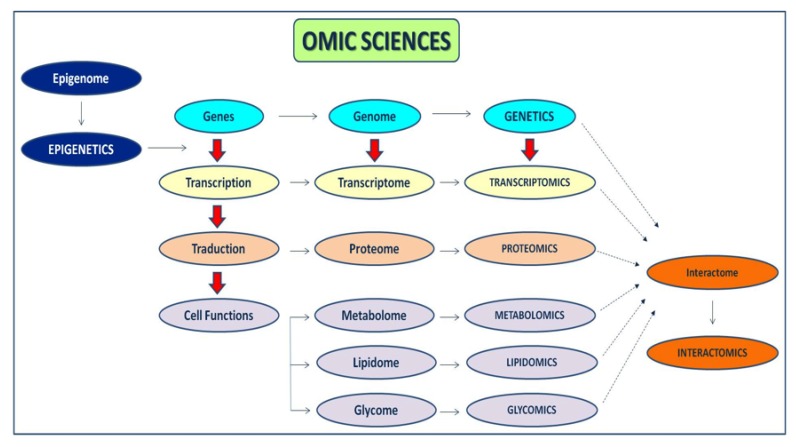
Based on the impact of antioxidants and ω-3/ω-6 fatty acids at the molecular level in the glaucomatous anterior and posterior eye segments, further studies are needed by integrating all issues involved in glaucoma pathogenesis, endogenous and exogenous risk factors and their interactions that will allow us to reach newer effective biotherapies for preventing glaucomatous irreversible blindness.
原发性开角型青光眼(POAG)是一种涉及多种致病机制的多因素病理学,包括氧化/硝化应激。后者是由于活性氧/氮物种的过度形成和不足的保护之间的失衡引起的。
我们的主要目标是收集分子信息,以更好地管理可能决定个体对氧化/硝化应激(OS/NS)和 POAG 的易感性的病理变异。
使用 PUBMED、Web of Science、Cochrane 图书馆以及其他关于 POAG 和 OS/NS 的人类和动物模型研究的参考文献,广泛搜索科学文献。最后,考虑了 152 篇包含相关信息的研究报告,这些信息可能有助于了解抗氧化剂、必需脂肪酸、天然化合物和其他类似策略在 POAG 中对抗 OS/NS 的作用。
大量研究已经证明,抗氧化剂,包括维生素 B3、C 和 E、辅酶 Q10 或褪黑素、ω-3/ω-6 脂肪酸和其他天然化合物(如咖啡、绿茶、熊胆、银杏叶、 coleus、热带水果等)可能有助于调节眼压并保护视网膜神经元免受 POAG 中的 OS/NS 损伤。
基于抗氧化剂和 ω-3/ω-6 脂肪酸在青光眼前后节的分子水平上的影响,需要进一步研究整合青光眼发病机制、内源性和外源性危险因素及其相互作用的所有问题,这将使我们能够实现预防青光眼不可逆性失明的更新的有效生物疗法。