Ferreira Thais H S, Tsunada Max S, Bassi Denis, Araújo Pedro, Mattiello Lucia, Guidelli Giovanna V, Righetto Germanna L, Gonçalves Vanessa R, Lakshmanan Prakash, Menossi Marcelo
Functional Genome Laboratory, Department of Genetics, Evolution and Bioagents, Institute of Biology, State University of CampinasCampinas, Brazil.
Sugar Research AustraliaBrisbane, QLD, Australia.
Front Plant Sci. 2017 Jun 23;8:1077. doi: 10.3389/fpls.2017.01077. eCollection 2017.
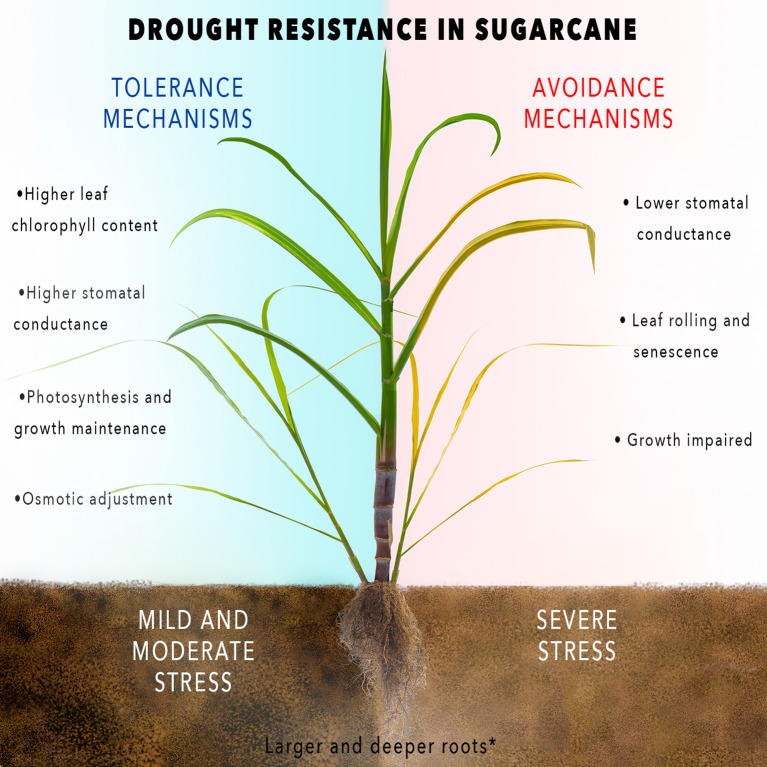
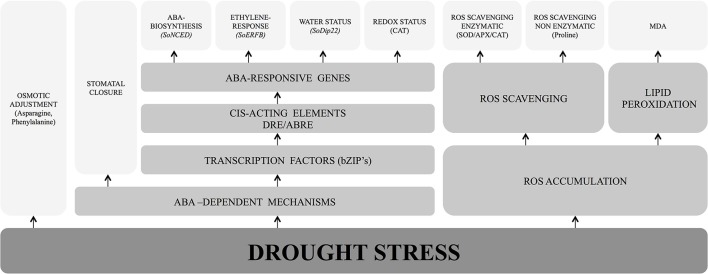
Sugarcane is a unique crop with the ability to accumulate high levels of sugar and is a commercially viable source of biomass for bioelectricity and second-generation bioethanol. Water deficit is the single largest abiotic stress affecting sugarcane productivity and the development of water use efficient and drought tolerant cultivars is an imperative for all major sugarcane producing countries. This review summarizes the physiological and molecular studies on water deficit stress in sugarcane, with the aim to help formulate more effective research strategies for advancing our knowledge on genes and mechanisms underpinning plant response to water stress. We also overview transgenic studies in sugarcane, with an emphasis on the potential strategies to develop superior sugarcane varieties that improve crop productivity in drought-prone environments.
甘蔗是一种独特的作物,能够积累高水平的糖分,是用于生物发电和第二代生物乙醇的具有商业可行性的生物质来源。水分亏缺是影响甘蔗生产力的最大非生物胁迫,培育水分利用高效和耐旱的甘蔗品种对所有主要甘蔗生产国来说都至关重要。本综述总结了甘蔗水分亏缺胁迫的生理和分子研究,旨在帮助制定更有效的研究策略,以增进我们对植物应对水分胁迫的基因和机制的了解。我们还概述了甘蔗的转基因研究,重点介绍了培育优良甘蔗品种的潜在策略,这些品种能在易干旱环境中提高作物生产力。