Lundqvist Martina, Carlsson Per, Sjödahl Rune, Theodorsson Elvar, Levin Lars-Åke
Department of Medical and Health Sciences, Division of Health Care Analysis, Linköping University, 581 83, Linköping, Sweden.
Department of Clinical and Experimental Medicine, Linkoping University, Linköping, Sweden.
BMC Complement Altern Med. 2017 Jul 10;17(1):358. doi: 10.1186/s12906-017-1844-7.
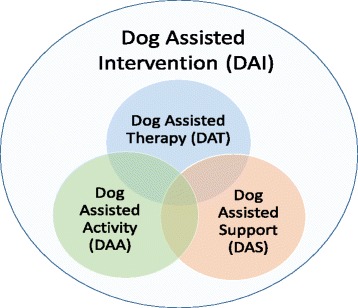
Dogs are the most common companion animal, and therefore not surprisingly a popular choice for animal-assisted interventions. Dog-assisted interventions are increasingly used in healthcare. The aim of the review was to conduct a systematic literature review of quantitative studies on dog-assisted interventions in healthcare, with the intention of assessing the effects and cost-effectiveness of the interventions for different categories of patients.
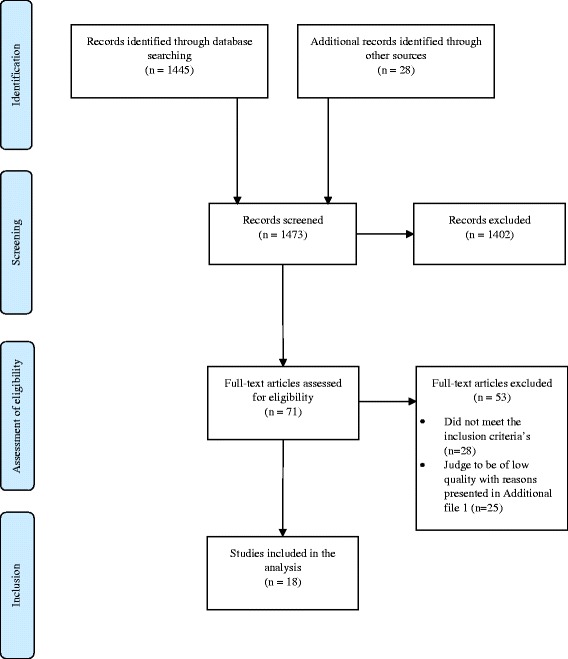
A systematic review of the scientific literature reporting results of studies in healthcare, nursing home or home care settings, was conducted. The inclusion criteria applied for this review were: quantitative studies, inclusion of at least 20 study subjects, existence of a control and performed in healthcare settings including nursing homes and home care. The electronic databases PubMed, AMED, CINAHL and Scopus were searched from their inception date through January 2017, for published articles from peer-reviewed journals with full text in English.
Eighteen studies that fulfilled the inclusion criteria, and were judged to be of at least moderate quality, were included in the analysis. Three of them showed no effect. Fifteen showed at least one significant positive effect but in most studied outcome measures there was no significant treatment effect. Dog-assisted therapy had the greatest potential in treatment of psychiatric disorders among both young and adult patients. Dog-assisted activities had some positive effects on health, wellbeing, depression and quality of life for patients with severe cognitive disorders. Dog-assisted support had positive effects on stress and mood.
The overall assessment of the included studies indicates minor to moderate effects of dog-assisted therapy in psychiatric conditions, as well as for dog-assisted activities in cognitive disorders and for dog-assisted support in different types of medical interventions. However, the majority of studied outcome measures showed no significant effect.
狗是最常见的伴侣动物,因此毫不奇怪,它是动物辅助干预中受欢迎的选择。狗辅助干预在医疗保健中越来越多地被使用。本综述的目的是对医疗保健中狗辅助干预的定量研究进行系统的文献综述,旨在评估该干预对不同类别患者的效果和成本效益。
对科学文献进行系统综述,这些文献报告了在医疗保健、养老院或家庭护理环境中的研究结果。本综述适用的纳入标准为:定量研究、纳入至少20名研究对象、存在对照组且在包括养老院和家庭护理在内的医疗保健环境中进行。从电子数据库PubMed、AMED、CINAHL和Scopus的创建日期到2017年1月,搜索同行评审期刊上发表的全文为英文的文章。
18项符合纳入标准且被判定质量至少为中等的研究被纳入分析。其中3项显示无效果。15项显示至少有一项显著的积极效果,但在大多数研究的结局指标中没有显著的治疗效果。狗辅助治疗在年轻和成年患者的精神疾病治疗中具有最大潜力。狗辅助活动对严重认知障碍患者的健康、幸福感、抑郁和生活质量有一些积极影响。狗辅助支持对压力和情绪有积极影响。
对纳入研究的总体评估表明,狗辅助治疗在精神疾病中的作用较小至中等,狗辅助活动在认知障碍中的作用以及狗辅助支持在不同类型的医疗干预中的作用也是如此。然而,大多数研究的结局指标显示无显著效果。