Lin Guorong, Sun Fulin, Wang Chunzhong, Zhang Li, Zhang Xinzhong
College of Environmental and Biological Engineering, Fujian Provincial Key Laboratory of Ecology-toxicological Effects & Control for Emerging Contaminants, Putian University, Putian, China.
State Key Laboratory of Tropical Oceanography, Daya Bay Marine Biology Research Station, South China Sea Institute of Oceanology, Chinese Academy of Sciences, Guangzhou, China.
PLoS One. 2017 Jul 25;12(7):e0179792. doi: 10.1371/journal.pone.0179792. eCollection 2017.
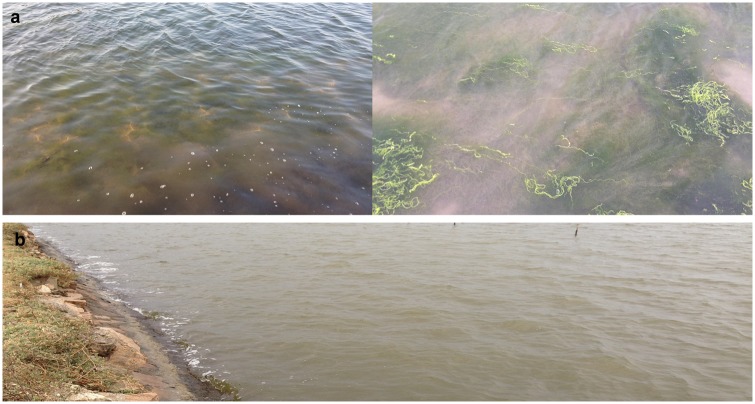
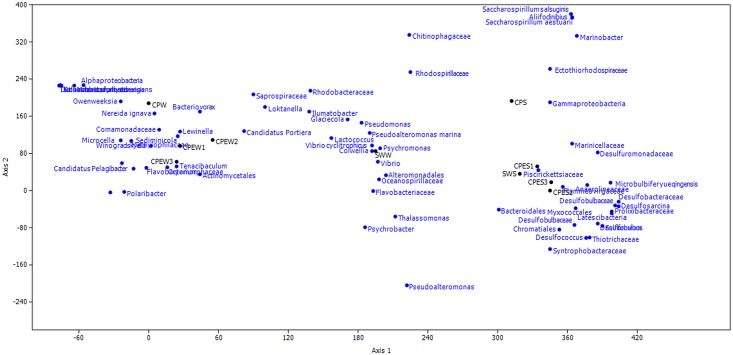
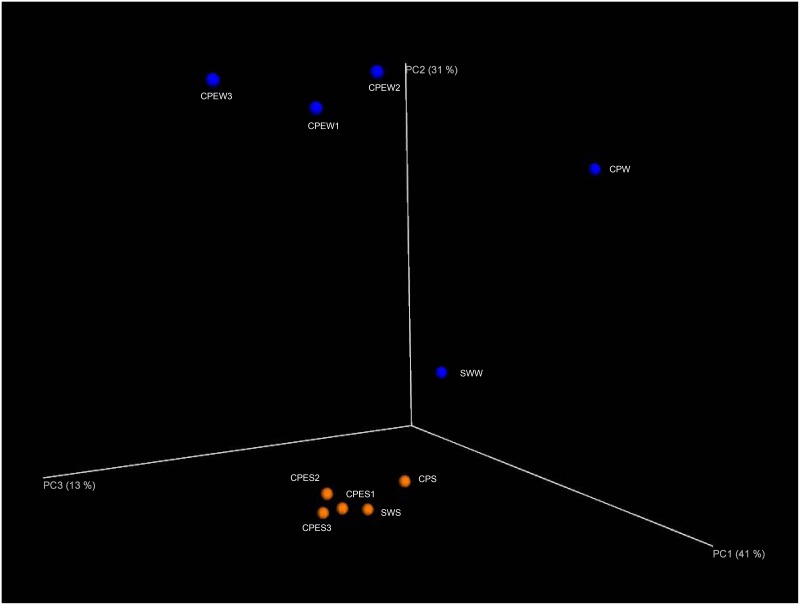
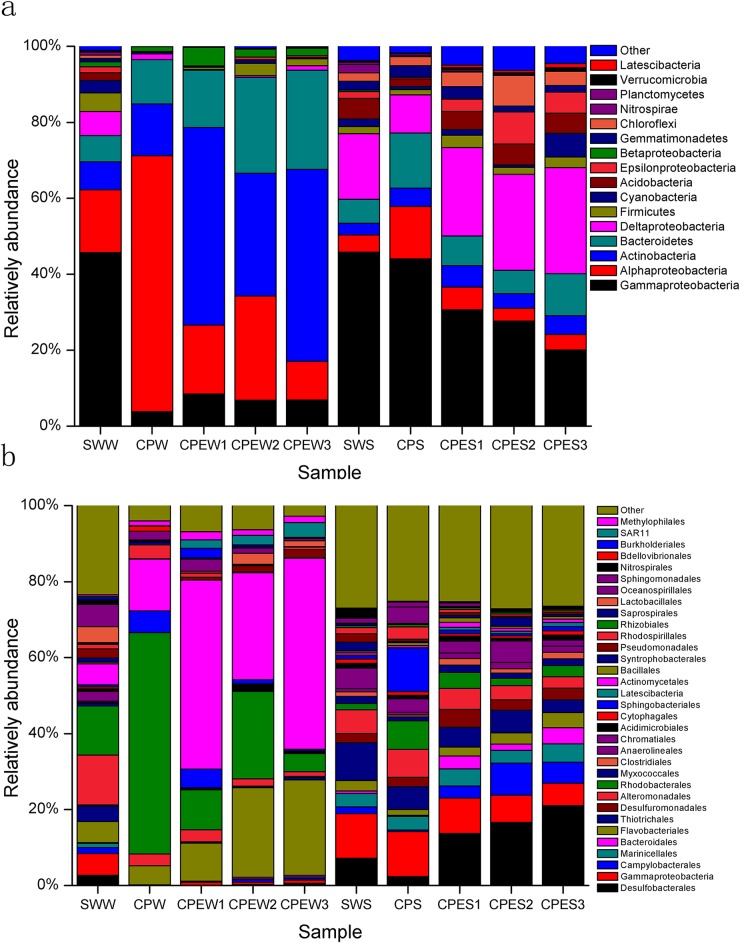
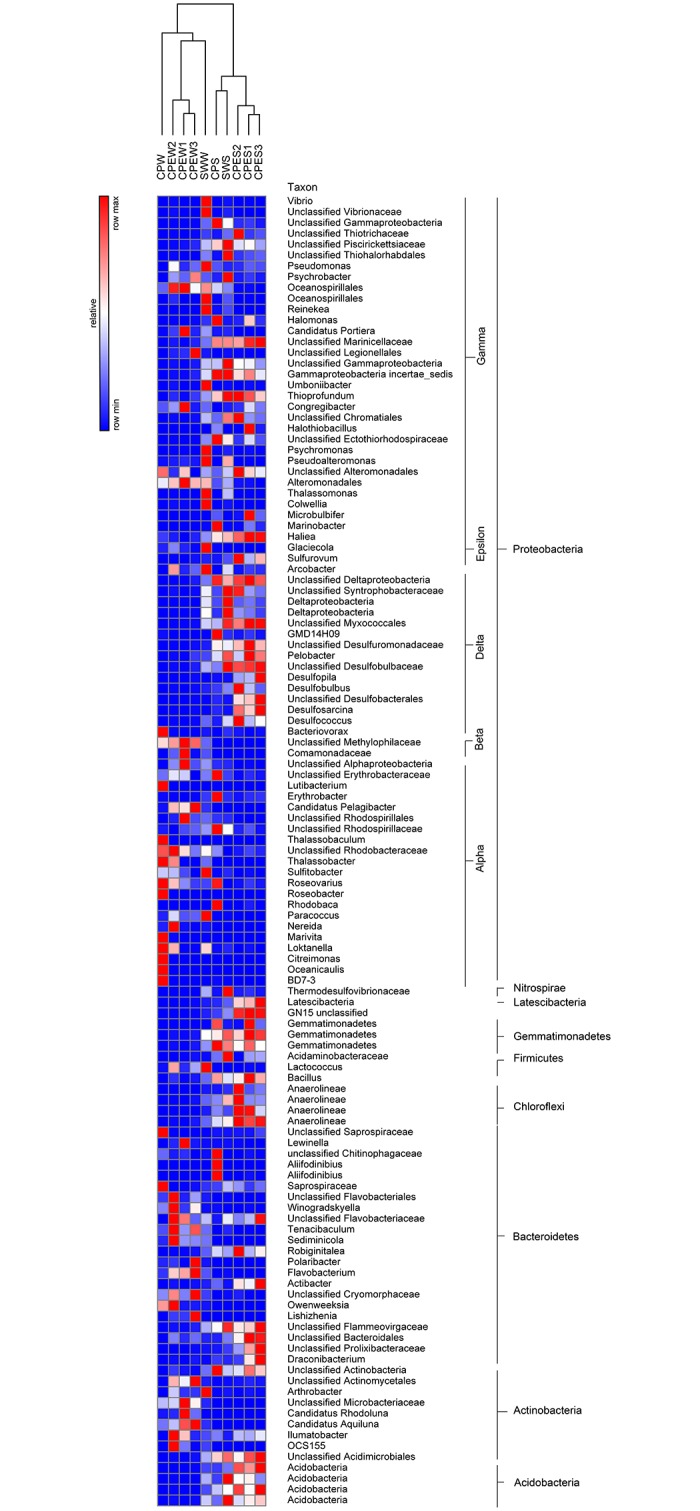
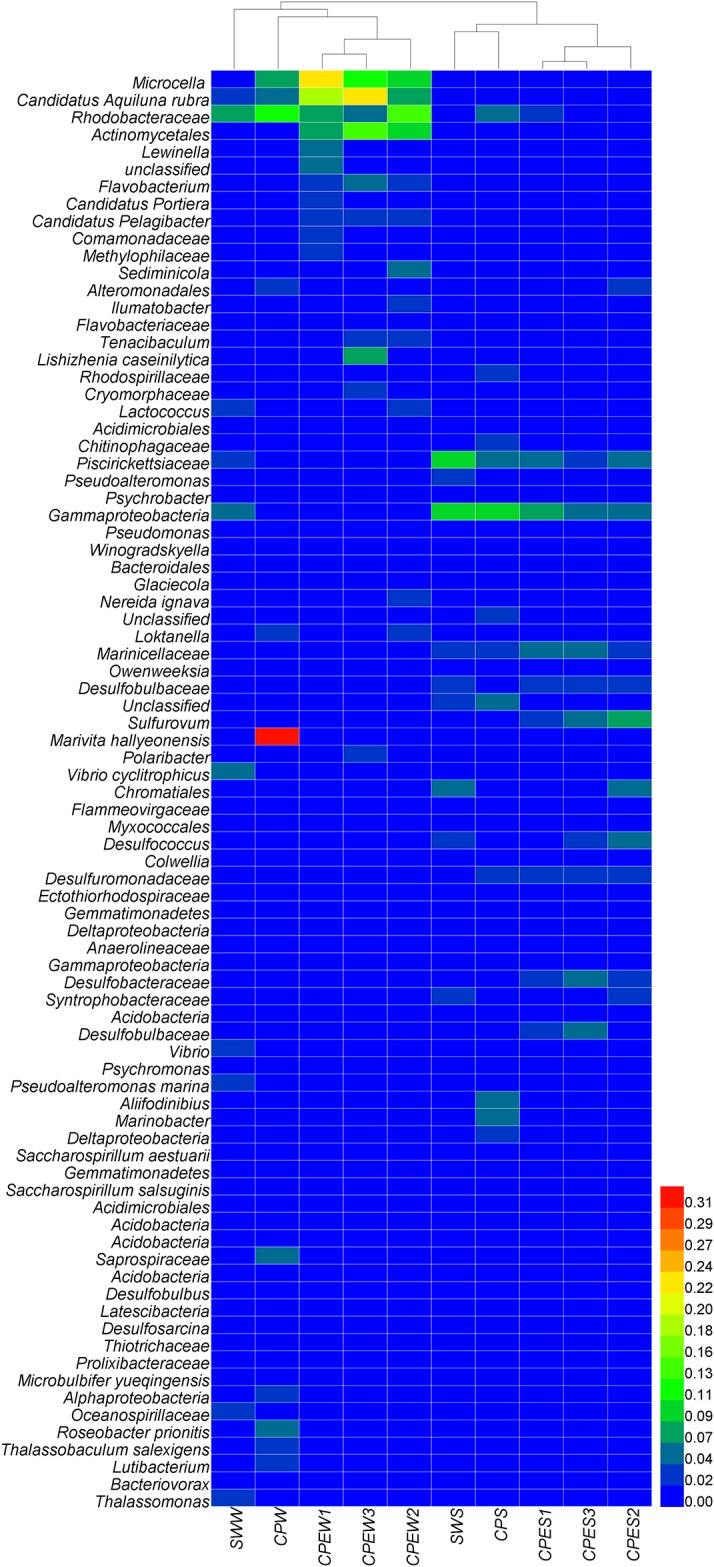
In recent years, Enteromorpha prolifera blooms had serious impacts on costal environments and fisheries in China. Nevertheless, the effects of E. prolifera on microbial ecology remain unknown. In this study, for the first time, an Illumina sequencing analysis was used to investigate bacterial communities in source water, aquaculture ponds with E. prolifera, and an aquaculture pond in which E. prolifera -free. Principal coordinate and phylogenic analyses revealed obvious differences among the bacterial communities in the pond water with and without E. prolifera. Abundant bacterial taxa in the E. prolifera-containing pond were generally absent from the pond without E. prolifera. Interestingly, pond water with E. prolifera was dominated by Actinomycetales (> 50%), as well as by anaerobic bacteria in the underlying sediment (Desulfobacterales and Desulfuromonadales (> 20%). Pond water in which E. prolifera-free was dominated by Rhodobacterales (58.19%), as well as aerobic and facultative anaerobic bacteria in the sediment. In addition, the ecological functions of other dominant bacteria, such as Candidatus Aquiluna, Microcella spp., and Marivita spp., should be studied in depth. Overall, massive growth of E. prolifera will have serious effects on bacterial communities, and, thus, it will have an important impact on the environment. The novel findings in this study will be valuable for understanding green tides.
近年来,浒苔爆发对中国沿海环境和渔业造成了严重影响。然而,浒苔对微生物生态的影响仍不清楚。在本研究中,首次采用Illumina测序分析方法,对原水、有浒苔的养殖池塘和无浒苔的养殖池塘中的细菌群落进行了调查。主坐标分析和系统发育分析表明,有浒苔和无浒苔的池塘水体中的细菌群落存在明显差异。有浒苔的池塘中丰富的细菌类群在无浒苔的池塘中通常不存在。有趣的是,有浒苔的池塘水体中放线菌目占主导地位(>50%),底层沉积物中的厌氧细菌(脱硫杆菌目和脱硫单胞菌目>20%)也占主导地位。无浒苔的池塘水体中红杆菌目占主导地位(58.19%),沉积物中的需氧和兼性厌氧细菌也占主导地位。此外,其他优势细菌,如候选阿奎卢纳菌、微室菌属和海生菌属的生态功能,也应进行深入研究。总体而言,浒苔的大量生长将对细菌群落产生严重影响,进而会对环境产生重要影响。本研究中的新发现将有助于理解绿潮。