Carré Julie, Gatimel Nicolas, Moreau Jessika, Parinaud Jean, Léandri Roger
Médecine de la Reproduction, CHU Toulouse, 31059, Toulouse, France.
Groupe de Recherche en Fertilité Humaine EA 3694, Université Paul Sabatier, 31059, Toulouse, France.
Environ Health. 2017 Jul 28;16(1):82. doi: 10.1186/s12940-017-0291-8.
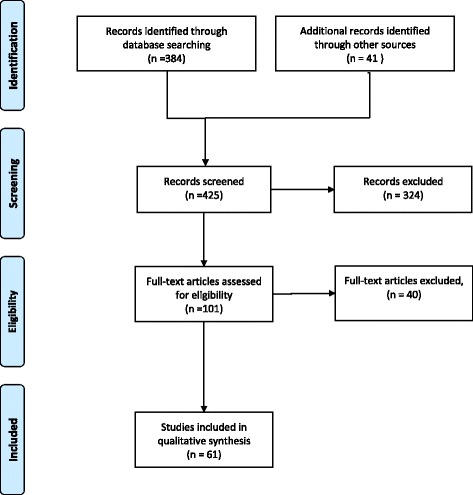
Air pollution is involved in many pathologies. These pollutants act through several mechanisms that can affect numerous physiological functions, including reproduction: as endocrine disruptors or reactive oxygen species inducers, and through the formation of DNA adducts and/or epigenetic modifications. We conducted a systematic review of the published literature on the impact of air pollution on reproductive function. Eligible studies were selected from an electronic literature search from the PUBMED database from January 2000 to February 2016 and associated references in published studies. Search terms included (1) ovary or follicle or oocyte or testis or testicular or sperm or spermatozoa or fertility or infertility and (2) air quality or O or NO or PM2.5 or diesel or SO or traffic or PM10 or air pollution or air pollutants. The literature search was conducted in accordance with the Preferred Reporting Items for Systematic Reviews and Meta-Analyses (PRISMA) guidelines. We have included the human and animal studies corresponding to the search terms and published in English. We have excluded articles whose results did not concern fertility or gamete function and those focused on cancer or allergy. We have also excluded genetic, auto-immune or iatrogenic causes of reduced reproduction function from our analysis. Finally, we have excluded animal data that does not concern mammals and studies based on results from in vitro culture. Data have been grouped according to the studied pollutants in order to synthetize their impact on fertility and the molecular pathways involved.
Both animal and human epidemiological studies support the idea that air pollutants cause defects during gametogenesis leading to a drop in reproductive capacities in exposed populations. Air quality has an impact on overall health as well as on the reproductive function, so increased awareness of environmental protection issues is needed among the general public and the authorities.
空气污染与多种疾病相关。这些污染物通过多种机制发挥作用,可影响众多生理功能,包括生殖功能:作为内分泌干扰物或活性氧诱导剂,并通过形成DNA加合物和/或表观遗传修饰来影响生殖功能。我们对已发表的关于空气污染对生殖功能影响的文献进行了系统综述。符合条件的研究是从2000年1月至2016年2月在PUBMED数据库中的电子文献搜索以及已发表研究中的相关参考文献中选取的。检索词包括(1)卵巢或卵泡或卵母细胞或睾丸或睾丸的或精子或精子细胞或生育力或不育症,以及(2)空气质量或O或NO或PM2.5或柴油或SO或交通或PM10或空气污染或空气污染物。文献检索按照系统评价和Meta分析的首选报告项目(PRISMA)指南进行。我们纳入了与检索词相符且以英文发表的人类和动物研究。我们排除了结果与生育力或配子功能无关的文章以及专注于癌症或过敏的文章。我们还在分析中排除了生殖功能降低的遗传、自身免疫或医源性原因。最后,我们排除了与哺乳动物无关的动物数据以及基于体外培养结果的研究。数据已根据所研究的污染物进行分组,以便综合它们对生育力的影响以及所涉及的分子途径。
动物和人类流行病学研究均支持空气污染物在配子发生过程中导致缺陷,从而使暴露人群的生殖能力下降这一观点。空气质量不仅对整体健康有影响,也对生殖功能有影响,因此普通公众和当局需要提高对环境保护问题的认识。