Bitarafan Mohammad H, DeCorby Ray G
ECE department, University of Alberta, 9107-116 St. NW, Edmonton, AB T6G 2V4, Canada.
Sensors (Basel). 2017 Jul 31;17(8):1748. doi: 10.3390/s17081748.
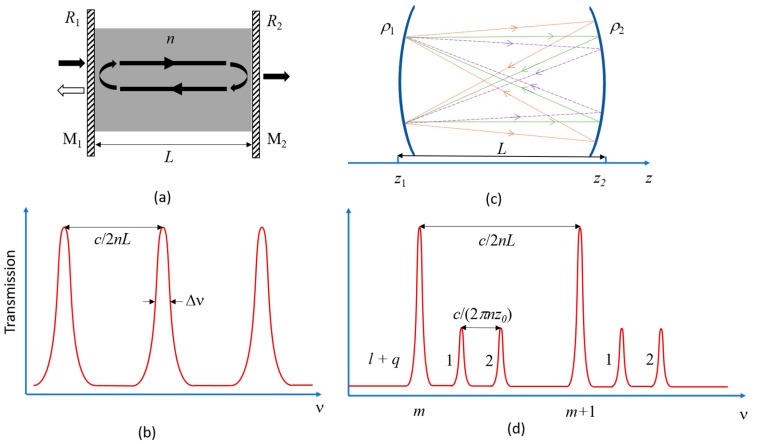
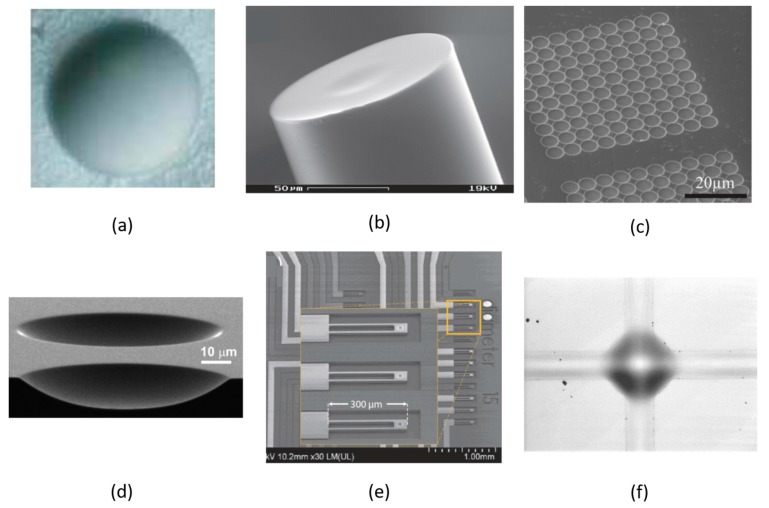
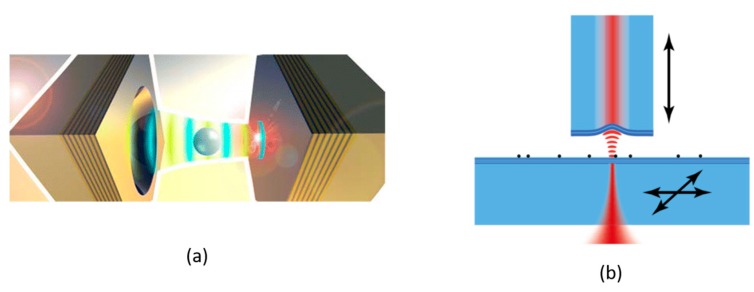
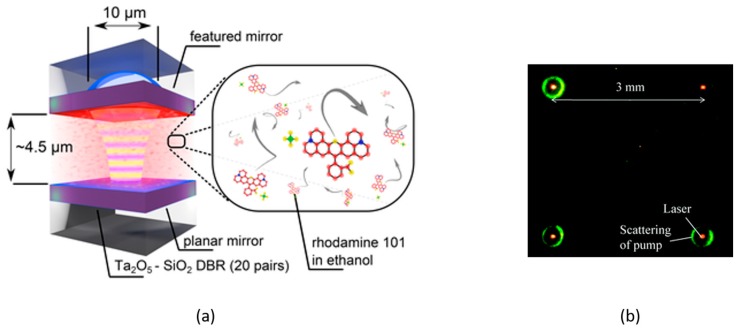
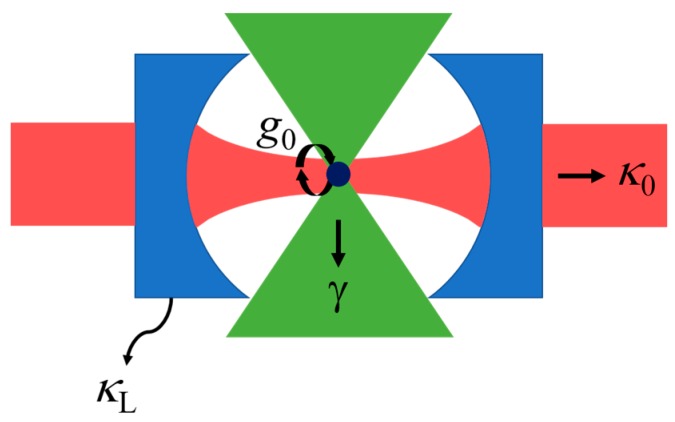
For applications in sensing and cavity-based quantum computing and metrology, open-access Fabry-Perot cavities-with an air or vacuum gap between a pair of high reflectance mirrors-offer important advantages compared to other types of microcavities. For example, they are inherently tunable using MEMS-based actuation strategies, and they enable atomic emitters or target analytes to be located at high field regions of the optical mode. Integration of curved-mirror Fabry-Perot cavities on chips containing electronic, optoelectronic, and optomechanical elements is a topic of emerging importance. Micro-fabrication techniques can be used to create mirrors with small radius-of-curvature, which is a prerequisite for cavities to support stable, small-volume modes. We review recent progress towards chip-based implementation of such cavities, and highlight their potential to address applications in sensing and cavity quantum electrodynamics.
对于传感、基于腔的量子计算和计量学中的应用,开放腔法布里-珀罗腔(在一对高反射镜之间具有空气或真空间隙)与其他类型的微腔相比具有重要优势。例如,它们可通过基于微机电系统的驱动策略进行固有调谐,并且能使原子发射器或目标分析物位于光模的高场区域。将曲面镜法布里-珀罗腔集成到包含电子、光电子和光机械元件的芯片上是一个日益重要的主题。微加工技术可用于制造具有小曲率半径的镜子,这是腔支持稳定、小体积模式的先决条件。我们回顾了此类腔基于芯片实现的最新进展,并强调了它们在传感和腔量子电动力学应用方面的潜力。