Jenior Matthew L, Leslie Jhansi L, Young Vincent B, Schloss Patrick D
Department of Microbiology and Immunology, University of Michigan, Ann Arbor, Michigan, USA.
Department of Internal Medicine, Division of Infectious Diseases, University of Michigan, Ann Arbor, Michigan, USA.
mSystems. 2017 Jul 25;2(4). doi: 10.1128/mSystems.00063-17. eCollection 2017 Jul-Aug.
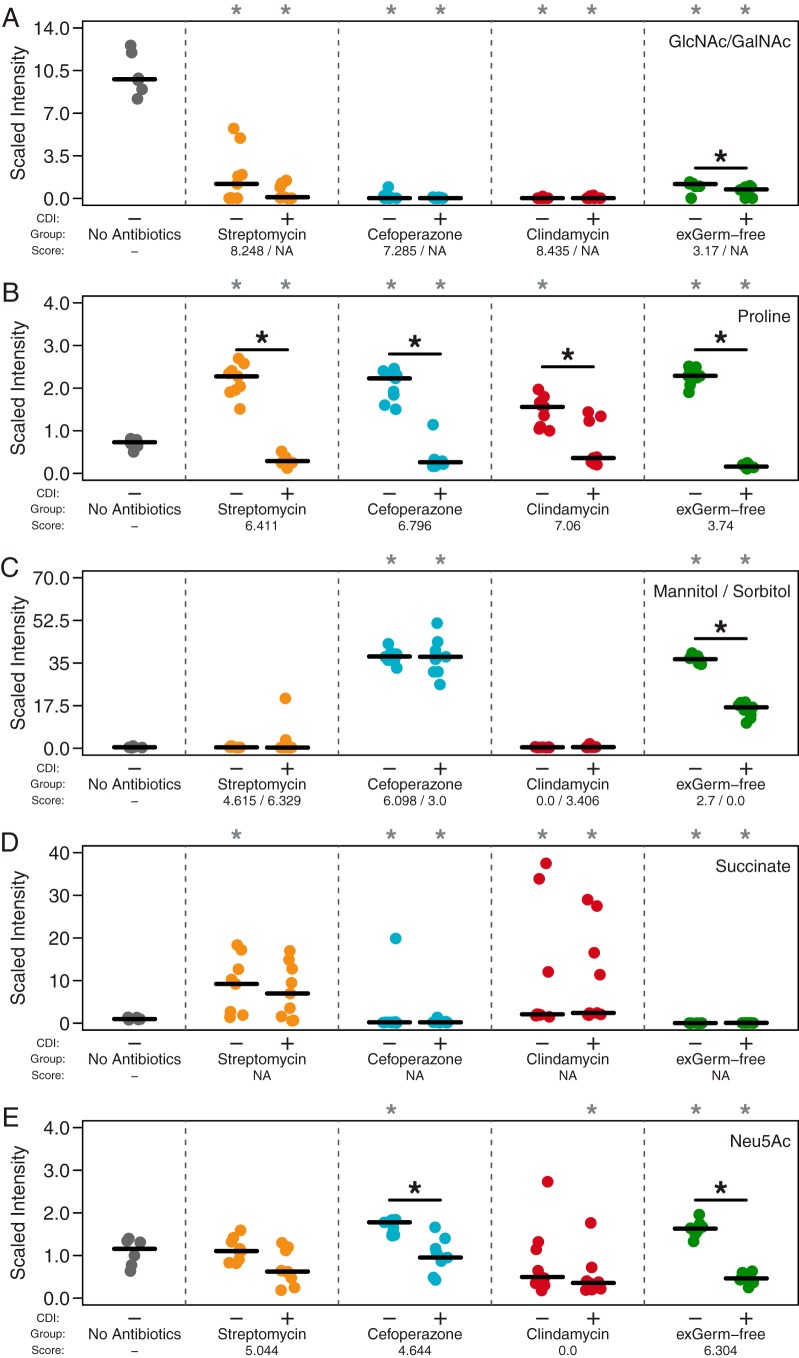
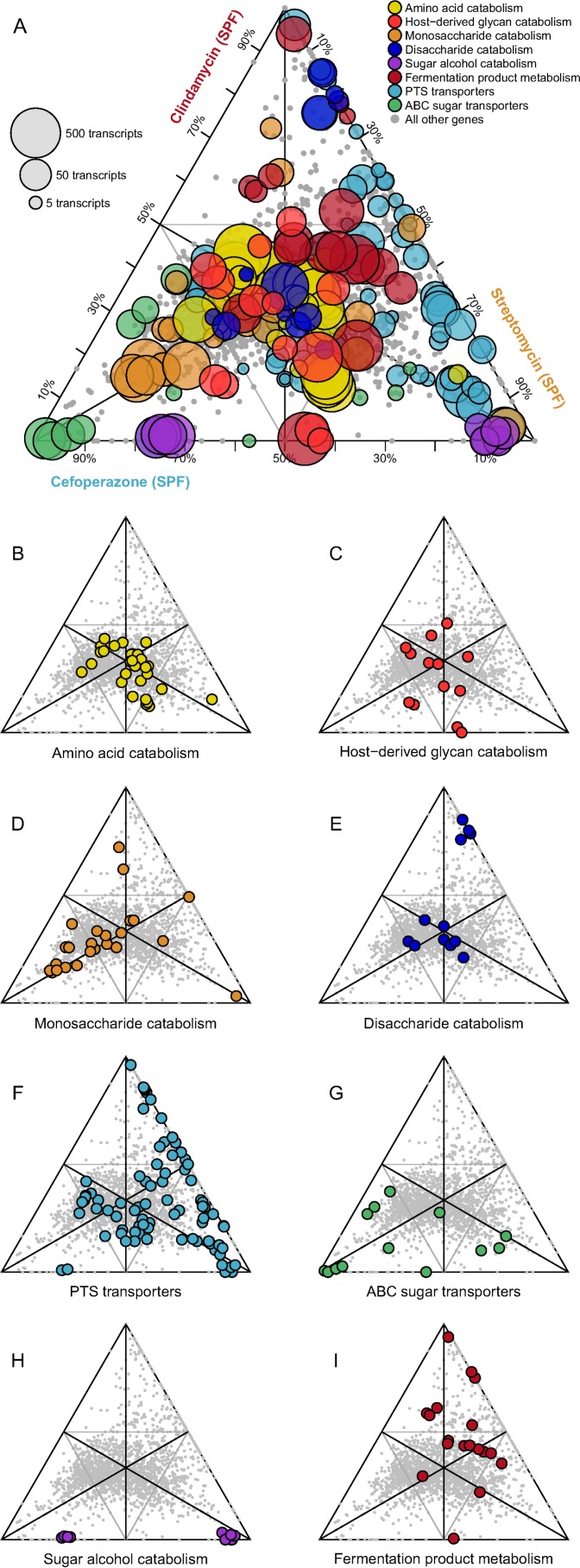
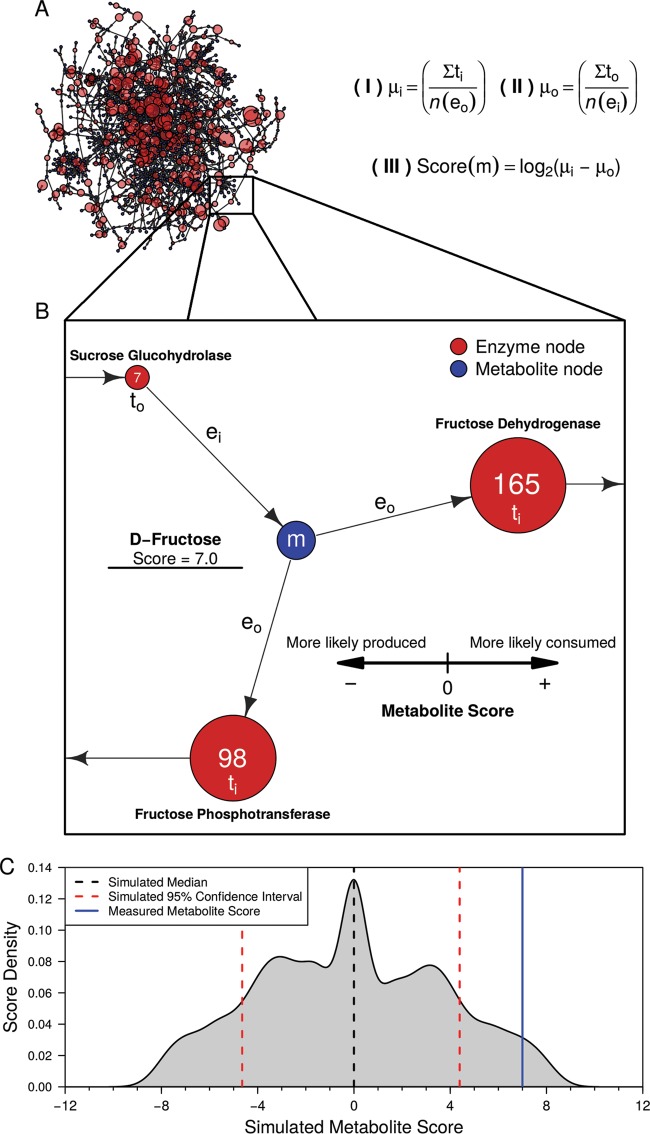
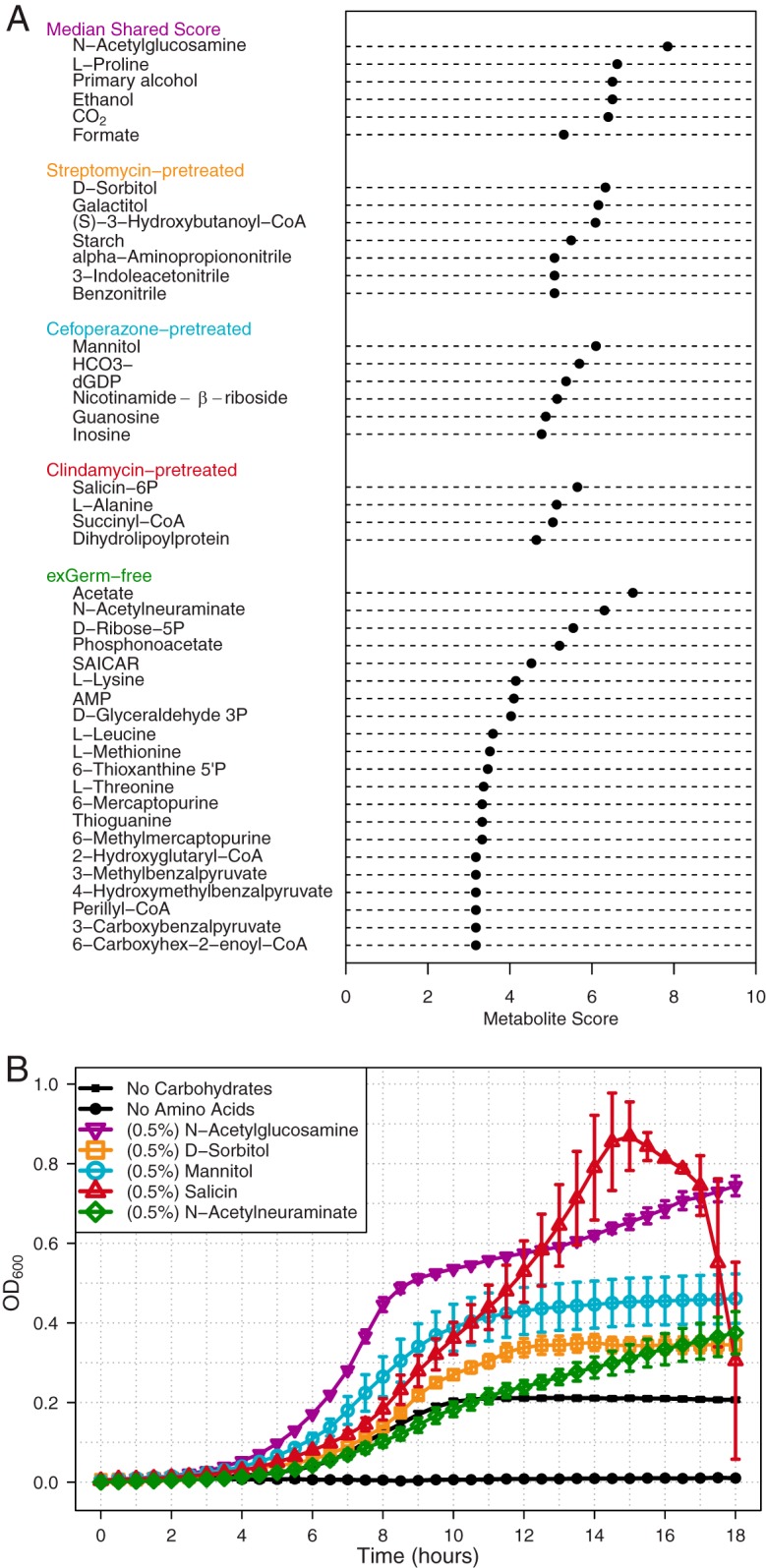
is the largest single cause of hospital-acquired infection in the United States. A major risk factor for infection (CDI) is prior exposure to antibiotics, as they disrupt the gut bacterial community which protects from colonization. Multiple antibiotic classes have been associated with CDI susceptibility, many leading to distinct community structures stemming from variation in bacterial targets of action. These community structures present separate metabolic challenges to . Therefore, we hypothesized that the pathogen adapts its physiology to the nutrients within different gut environments. Utilizing an CDI model, we demonstrated that highly colonized ceca of mice pretreated with any of three antibiotics from distinct classes. Levels of spore formation and toxin activity varied between animals based on the antibiotic pretreatment. These physiologic processes in are partially regulated by environmental nutrient concentrations. To investigate metabolic responses of the bacterium , we performed transcriptomic analysis of from ceca of infected mice across pretreatments. This revealed heterogeneous expression in numerous catabolic pathways for diverse growth substrates. To assess which resources exploited, we developed a genome-scale metabolic model with a transcriptome-enabled metabolite scoring algorithm integrating network architecture. This platform identified nutrients that used preferentially between pretreatments, which were validated through untargeted mass spectrometry of each microbiome. Our results supported the hypothesis that inhabits alternative nutrient niches across cecal microbiomes with increased preference for nitrogen-containing carbon sources, particularly Stickland fermentation substrates and host-derived glycans. Infection by the bacterium causes an inflammatory diarrheal disease which can become life threatening and has grown to be the most prevalent nosocomial infection. Susceptibility to infection is strongly associated with previous antibiotic treatment, which disrupts the gut microbiota and reduces its ability to prevent colonization. In this study, we demonstrated that altered pathogenesis between hosts pretreated with antibiotics from separate classes and exploited different nutrient sources across these environments. Our metabolite score calculation also provides a platform to study nutrient requirements of pathogens during an infection. Our results suggest that colonization resistance is mediated by multiple groups of bacteria competing for several subsets of nutrients and could explain why total reintroduction of competitors through fecal microbial transplant currently is the most effective treatment for recurrent CDI. This work could ultimately contribute to the identification of targeted, context-dependent measures that prevent or reduce colonization, including pre- and probiotic therapies.
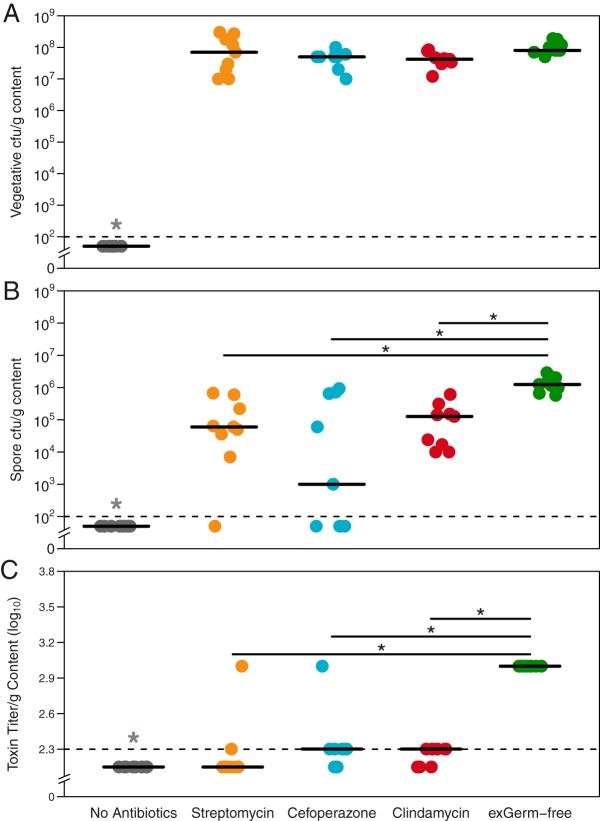
在美国,它是医院获得性感染的最大单一原因。感染(艰难梭菌感染,CDI)的一个主要风险因素是先前接触过抗生素,因为抗生素会破坏保护机体免受定殖的肠道细菌群落。多种抗生素类别都与CDI易感性有关,许多抗生素会导致源于细菌作用靶点差异的不同群落结构。这些群落结构给……带来了不同的代谢挑战。因此,我们假设病原体使其生理机能适应不同肠道环境中的营养物质。利用一个CDI模型,我们证明了……在用来自不同类别的三种抗生素中的任何一种进行预处理的小鼠高度定殖的盲肠中……。基于抗生素预处理,动物之间的芽孢形成水平和毒素活性有所不同。……中的这些生理过程部分受环境营养浓度调节。为了研究该细菌的代谢反应,我们对感染小鼠经不同预处理后的盲肠中的……进行了转录组分析。这揭示了在多种生长底物的众多分解代谢途径中的异质性表达。为了评估……利用了哪些资源,我们开发了一个基因组规模的代谢模型,该模型带有一个整合了网络架构的启用转录组的代谢物评分算法。这个平台确定了不同预处理之间……优先利用的营养物质,这些营养物质通过对每个微生物组进行非靶向质谱分析得到了验证。我们的结果支持了这样的假设,即……在不同的盲肠微生物群中占据不同的营养生态位,对含氮碳源,特别是斯特克兰德发酵底物和宿主来源的聚糖有更高的偏好。……细菌感染会引发一种炎症性腹泻疾病,这种疾病可能会危及生命,并且已成为最普遍的医院感染。对……感染的易感性与先前的抗生素治疗密切相关,抗生素治疗会破坏肠道微生物群并降低其预防定殖的能力。在这项研究中,我们证明了……在接受不同类别的抗生素预处理的宿主之间改变了发病机制,并在这些环境中利用了不同的营养来源。我们的代谢物评分计算还提供了一个研究感染期间病原体营养需求的平台。我们的结果表明,……的定殖抗性是由多组细菌竞争几个营养子集介导的,这可以解释为什么目前通过粪便微生物移植完全重新引入竞争者是复发性CDI最有效的治疗方法。这项工作最终可能有助于确定预防或减少……定殖的有针对性的、依赖背景的措施,包括益生元和益生菌疗法。