Nitzan Meir, Slotki Itzchak, Shavit Linda
Department of Applied Physics/Electro-Optics, Jerusalem College of Technology.
Department of Nephrology, Shaare Zedek Medical Center, Jerusalem, Israel.
Med Devices (Auckl). 2017 Jul 24;10:157-163. doi: 10.2147/MDER.S141599. eCollection 2017.
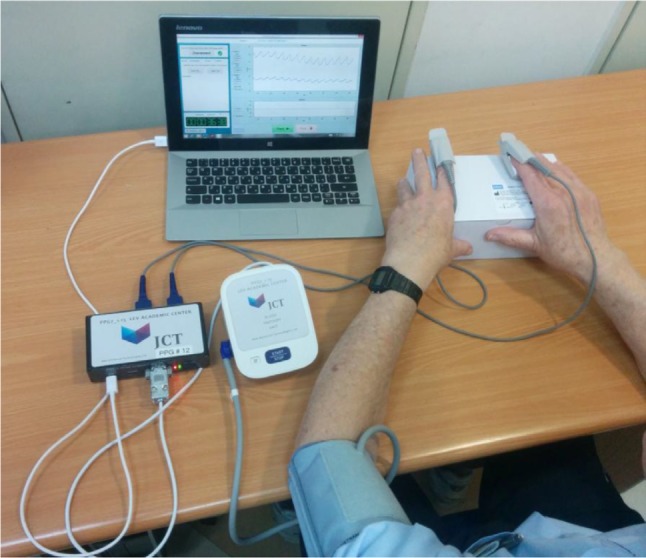
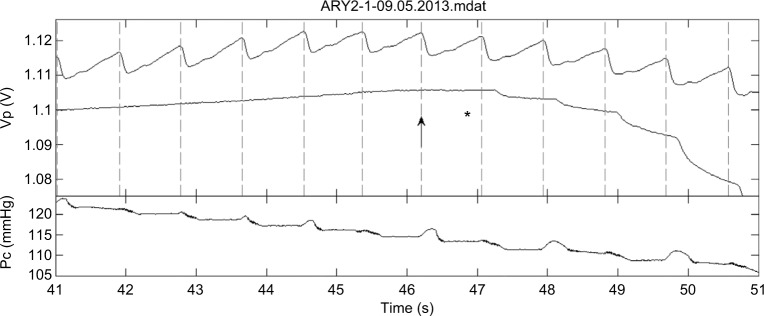
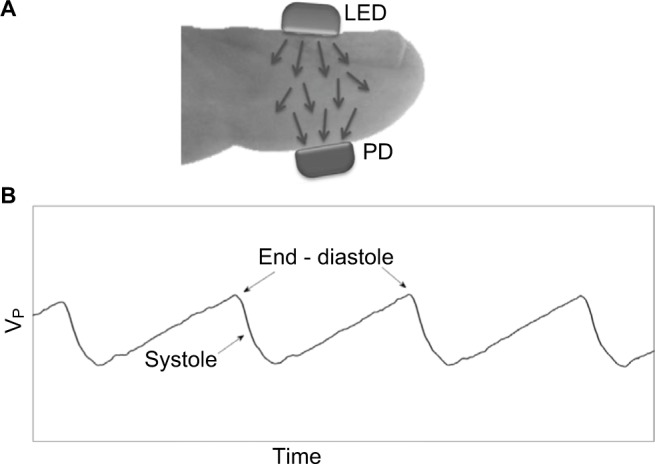
The commonly used techniques for systolic blood pressure (SBP) and diastolic blood pressure (DBP) measurement are the auscultatory Korotkoff-based sphygmomanometry and oscillometry. The former technique is relatively accurate but is limited to a physician's office because its automatic variant is subject to noise artifacts. Consequently, the Korotkoff-based measurement overestimates the blood pressure in some patients due to white coat effect, and because it is a single measurement, it cannot properly represent the variable blood pressure. Automatic oscillometry can be used at home by the patient and is preferred even in clinics. However, the technique's accuracy is low and errors of 10-15 mmHg are common. Recently, we have developed an automatic technique for SBP measurement, based on an arm pressure cuff and a finger photoplethysmographic probe. The technique was found to be significantly more accurate than oscillometry, and comparable to the Korotkoff-based technique, the reference-standard for non-invasive blood pressure measurements. The measurement of SBP is a mainstay for the diagnosis and follow-up of hypertension, which is a major risk factor for several adverse events, mainly cardiovascular. Lowering blood pressure evidently reduces the risk, but excessive lowering can result in hypotension and consequently hypoperfusion to vital organs, since blood pressure is the driving force for blood flow. Erroneous measurement by 10 mmHg can lead to a similar unintended reduction of SBP and may adversely affect patients treated to an SBP of 120-130 mmHg. In particular, in elderly patients, unintended excessive reduction of blood pressure due to inaccurate SBP measurement can result in cerebral hypoperfusion and consequent cognitive decline. By using a more accurate technique for automatic SBP measurement (such as the photoplethysmographic-based technique), the optimal blood pressure target can be achieved with lower risk for hypotension and its adverse events.
测量收缩压(SBP)和舒张压(DBP)的常用技术是基于听诊柯氏音的血压计测量法和示波法。前一种技术相对准确,但仅限于医生办公室使用,因为其自动版本容易受到噪声伪影的影响。因此,基于柯氏音的测量由于白大褂效应,在一些患者中会高估血压,而且由于它是单次测量,无法准确反映血压的变化。自动示波法患者可以在家中使用,甚至在诊所中也更受青睐。然而,该技术的准确性较低,10 - 15 mmHg的误差很常见。最近,我们开发了一种基于手臂压力袖带和手指光电容积脉搏波描记探头的自动测量SBP的技术。结果发现,该技术比示波法明显更准确,与基于柯氏音的技术相当,而基于柯氏音的技术是非侵入性血压测量的参考标准。SBP的测量是高血压诊断和随访的主要依据,高血压是多种不良事件(主要是心血管事件)的主要危险因素。降低血压显然可以降低风险,但过度降低会导致低血压,进而导致重要器官灌注不足,因为血压是血流的驱动力。测量误差10 mmHg可能导致类似的SBP意外降低,并可能对接受120 - 130 mmHg SBP治疗的患者产生不利影响。特别是在老年患者中,由于SBP测量不准确导致的意外过度血压降低可能会导致脑灌注不足,进而导致认知能力下降。通过使用更准确的自动SBP测量技术(如基于光电容积脉搏波描记的技术),可以在降低低血压及其不良事件风险的情况下实现最佳血压目标。