Qin Yao, Xu Zhichao, Wang Yongqiang, Li Xiaoqi, Cao Hong, Zheng Shijun J
State Key Laboratory of Agrobiotechnology, China Agricultural UniversityBeijing, China.
Key Laboratory of Animal Epidemiology and Zoonosis, Ministry of Agriculture, China Agricultural UniversityBeijing, China.
Front Microbiol. 2017 Jul 19;8:1351. doi: 10.3389/fmicb.2017.01351. eCollection 2017.
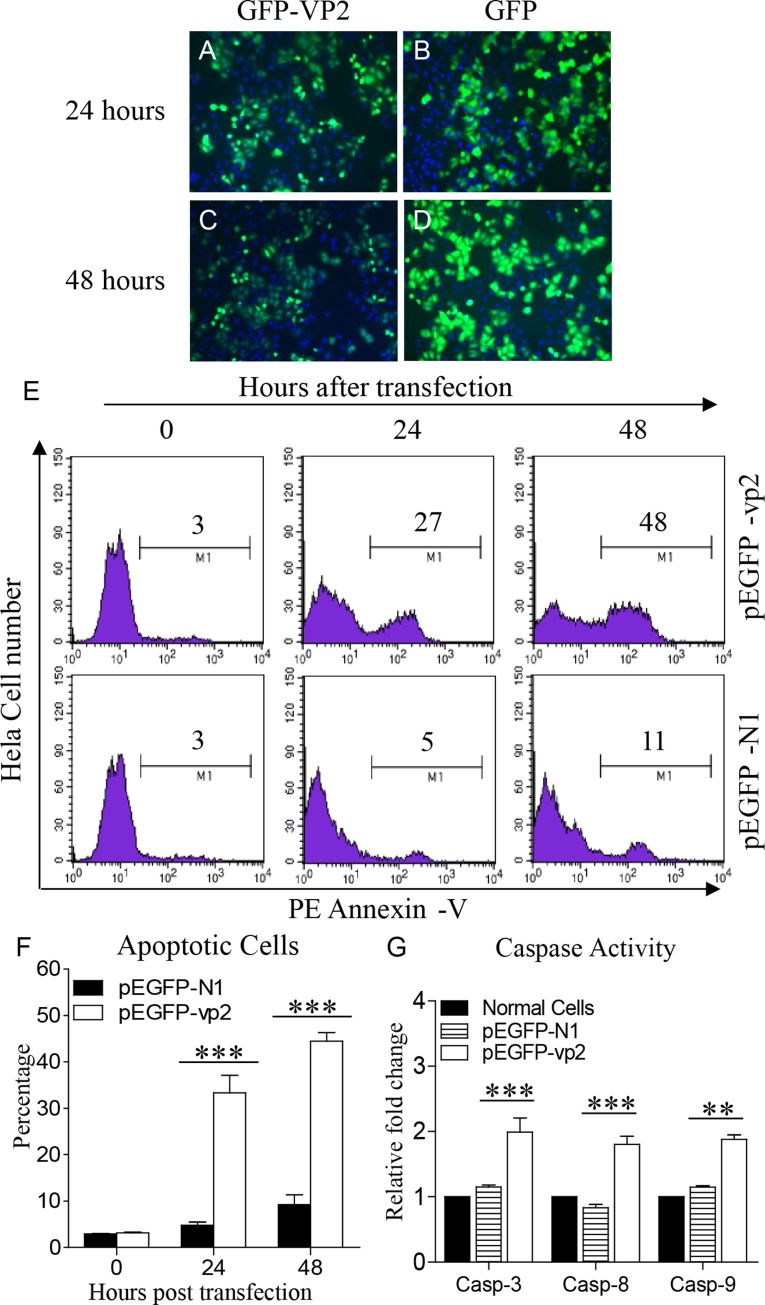
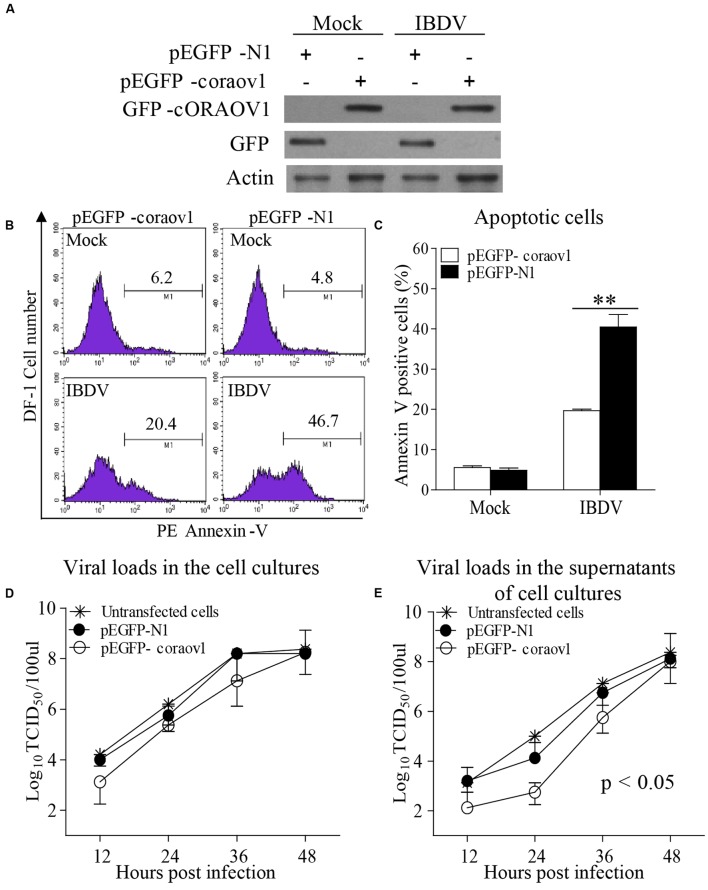
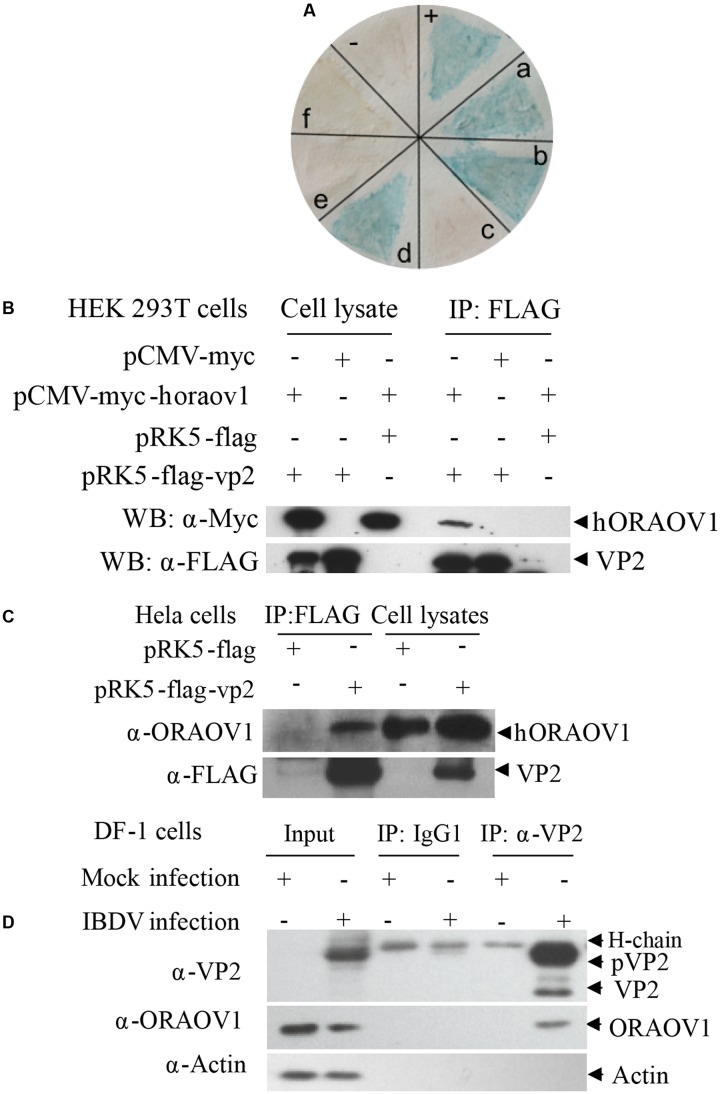
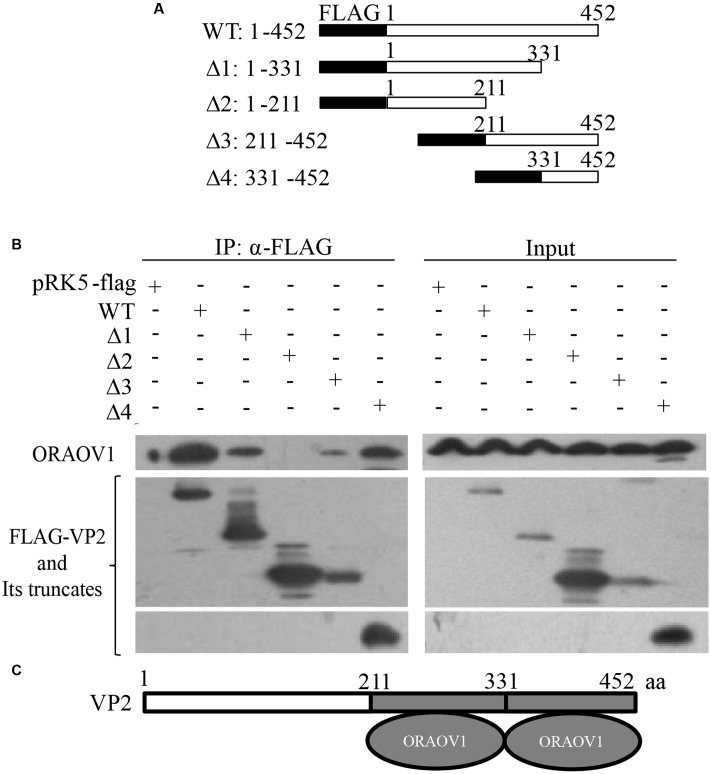
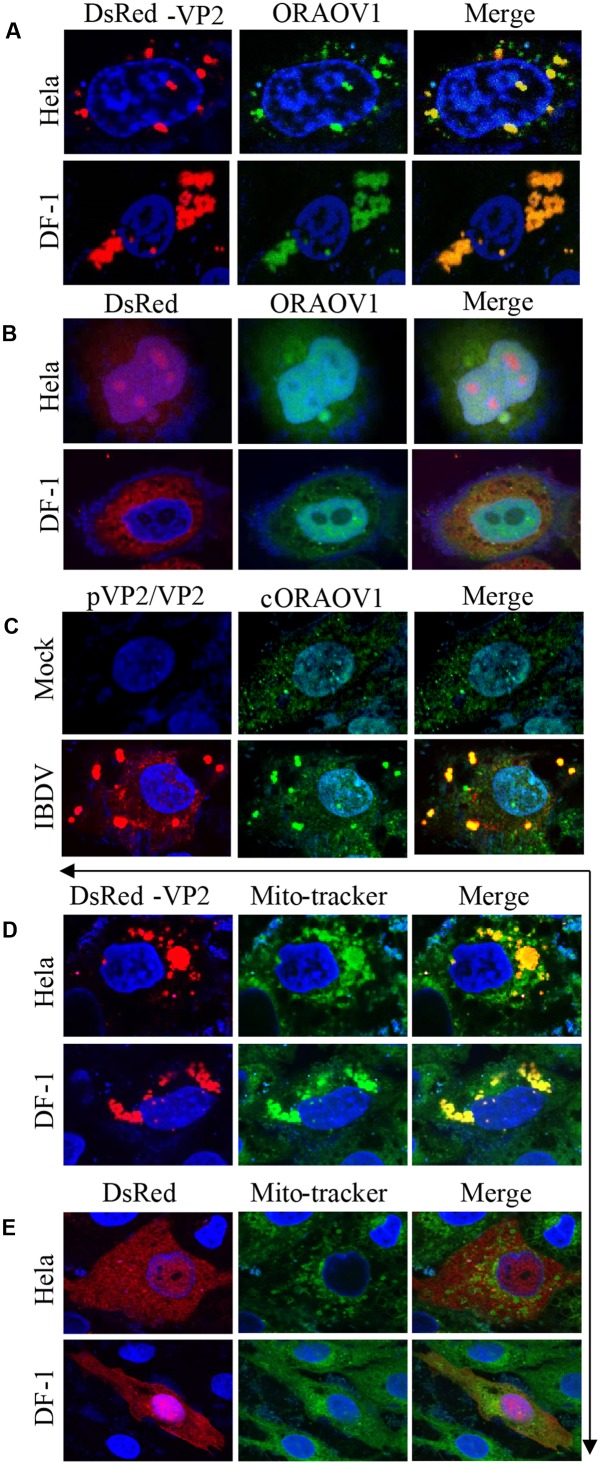
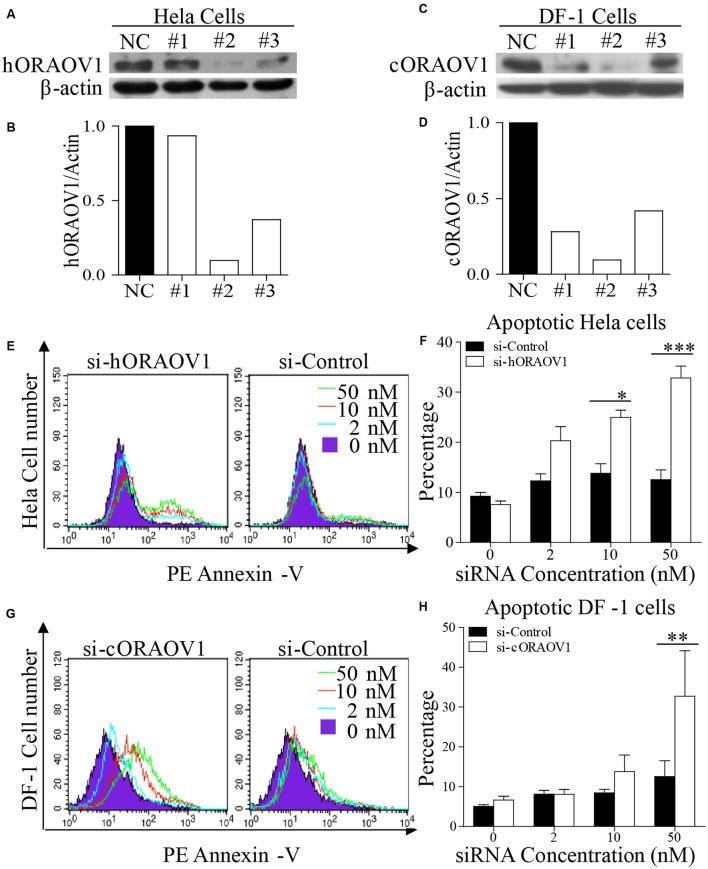
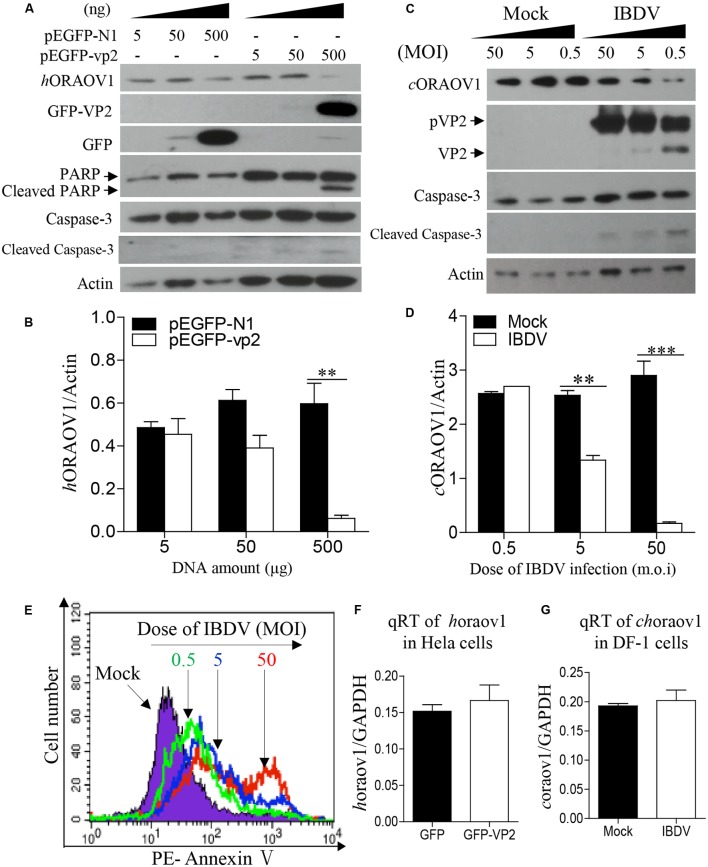
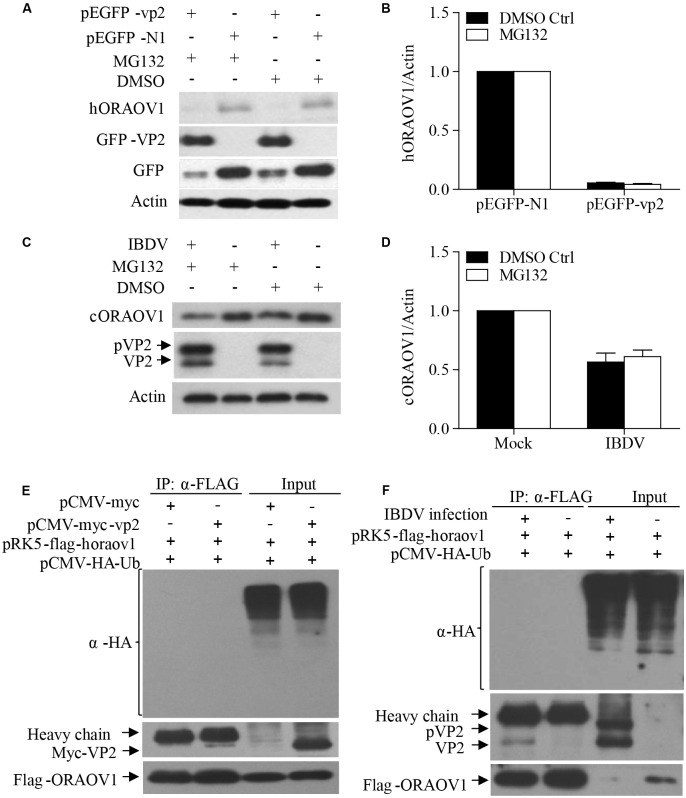
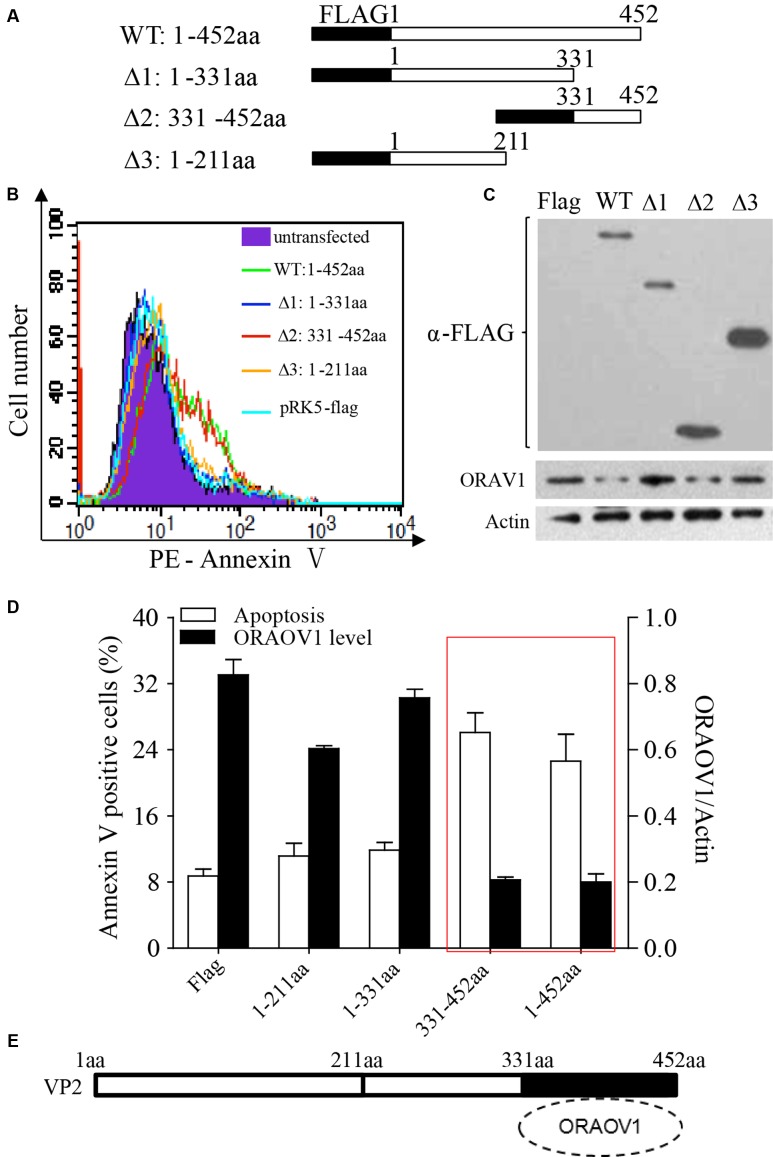
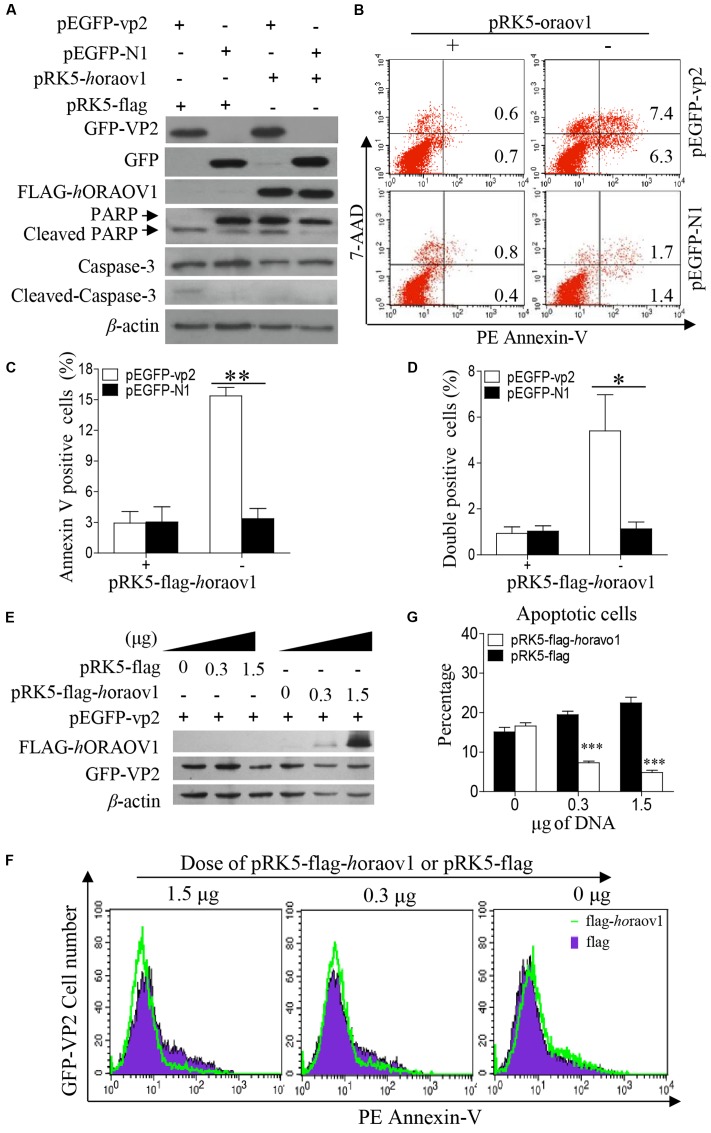
Infectious bursal disease (IBD) is an acute, highly contagious and immunosuppressive avian disease caused by IBD virus (IBDV). Cell apoptosis triggered by IBDV contributes to the dysfunction of immune system in host. VP2 of IBDV is known to induce cell death but the underlying mechanism remains unclear. Here we demonstrate that VP2 interacts with the oral cancer overexpressed 1 (ORAOV1), a potential oncoprotein. Infection by IBDV or ectopic expression of VP2 causes a reduction of cellular ORAOV1 and induction of apoptosis, so does knockdown of ORAOV1. In contrast, over-expression of ORAOV1 leads to the inhibition of VP2- or IBDV-induced apoptosis, accompanied with the decreased viral release ( < 0.05). Thus, VP2-induced apoptosis during IBDV infection is mediated by interacting with and reducing ORAOV1, a protein that appears to act as an antiapoptotic molecule and restricts viral release early during IBDV infection.
传染性法氏囊病(IBD)是由传染性法氏囊病病毒(IBDV)引起的一种急性、高度传染性和免疫抑制性禽类疾病。IBDV触发的细胞凋亡导致宿主免疫系统功能障碍。已知IBDV的VP2可诱导细胞死亡,但其潜在机制仍不清楚。在此,我们证明VP2与口腔癌过表达蛋白1(ORAOV1)相互作用,ORAOV1是一种潜在的癌蛋白。IBDV感染或VP2的异位表达会导致细胞ORAOV1减少并诱导凋亡,敲低ORAOV1也会出现这种情况。相反,ORAOV1的过表达会导致VP2或IBDV诱导的凋亡受到抑制,同时病毒释放减少(<0.05)。因此,IBDV感染期间VP2诱导的凋亡是通过与ORAOV1相互作用并使其减少来介导的,ORAOV1似乎是一种抗凋亡分子,在IBDV感染早期限制病毒释放。