Song Fuhai, Qian Ying, Peng Xing, Li Xiuhui, Xing Peiqi, Ye Dongqing, Lei Hongxing
CAS Key Laboratory of Genome Sciences and Information, Beijing Institute of Genomics, Chinese Academy of Sciences, Beijing, China.
Cunji Medical School, University of Chinese Academy of Sciences, Beijing, China.
PLoS One. 2017 Aug 3;12(8):e0182294. doi: 10.1371/journal.pone.0182294. eCollection 2017.
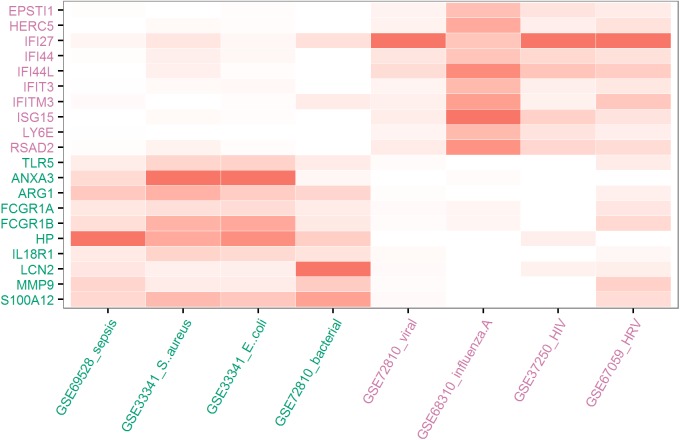
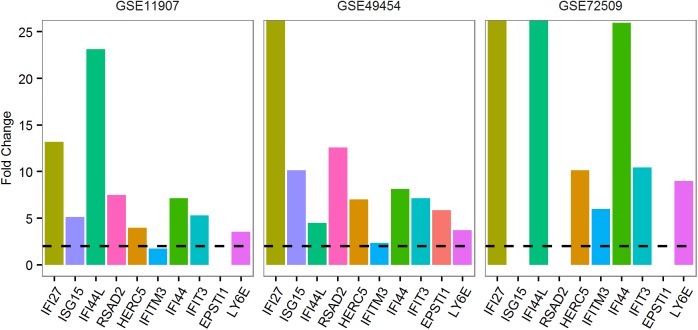
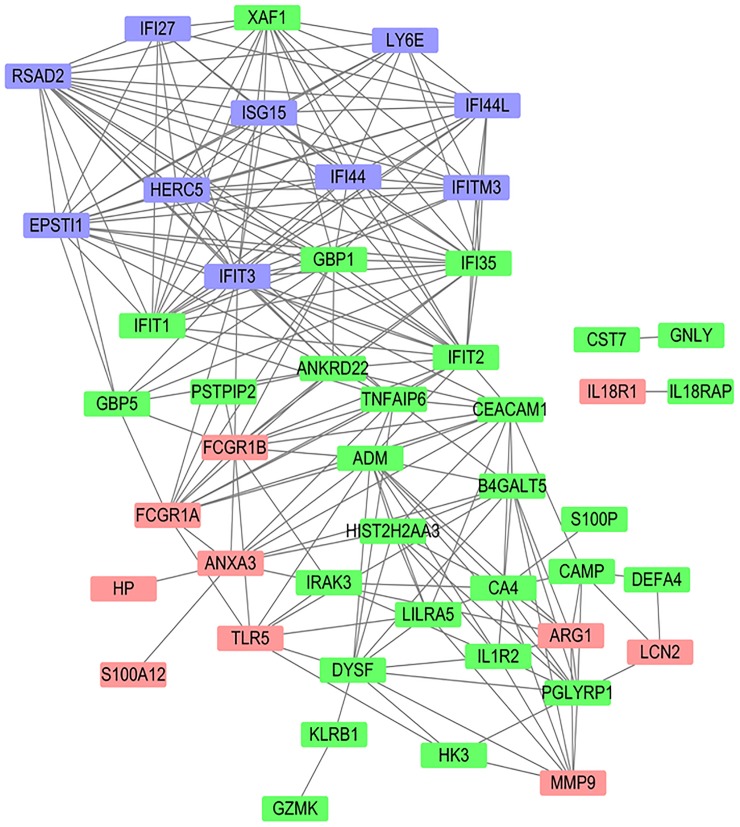
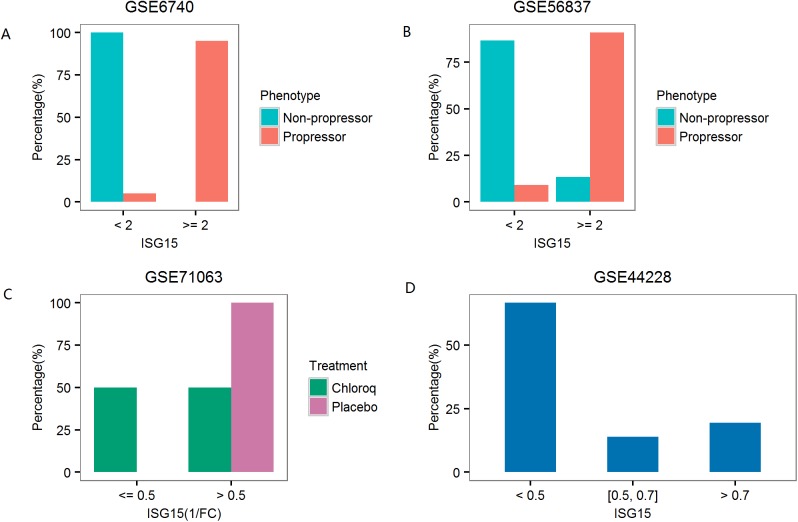
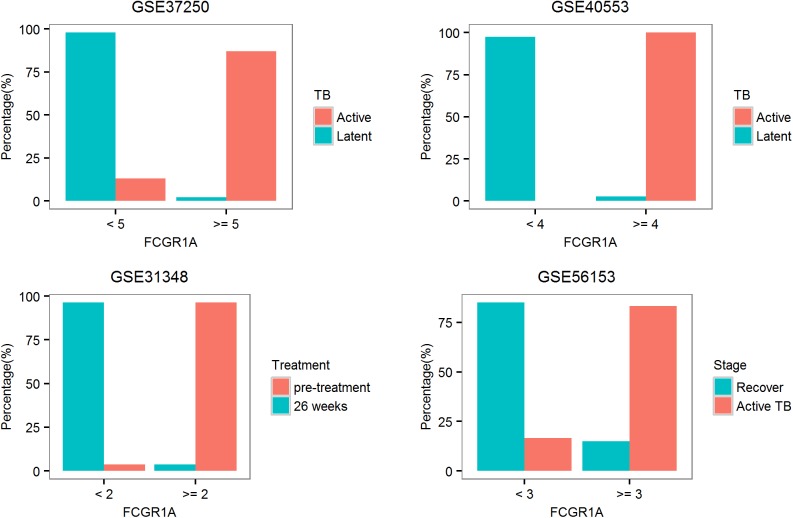
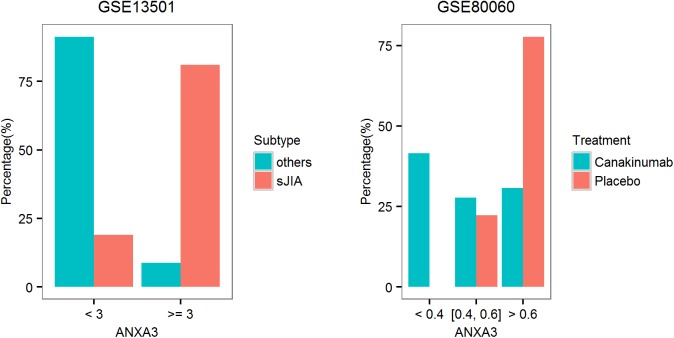
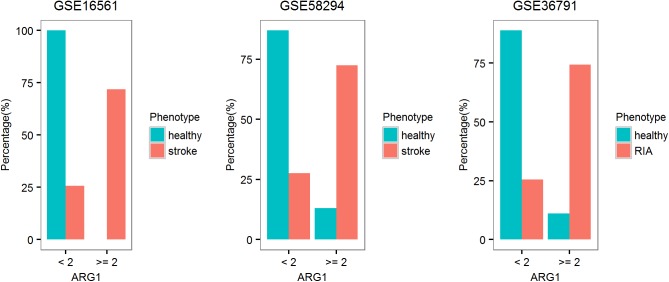
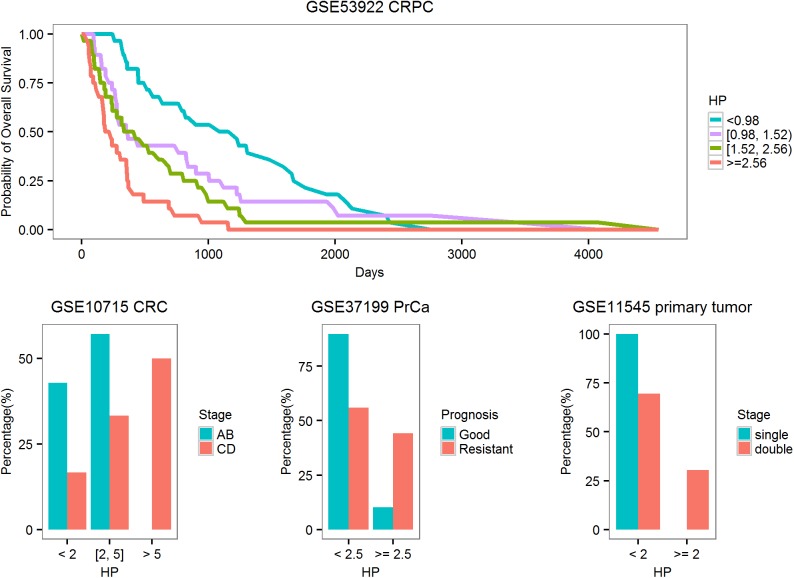
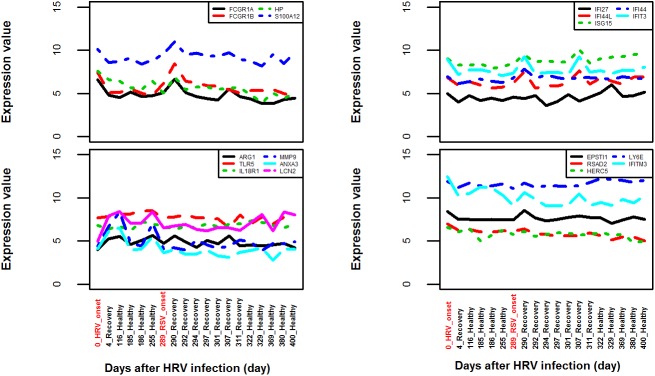
Peripheral blood is an attractive source for the discovery of disease biomarkers. Gene expression profiling of whole blood or its components has been widely conducted for various diseases. However, due to population heterogeneity and the dynamic nature of gene expression, certain biomarkers discovered from blood transcriptome studies could not be replicated in independent studies. In the meantime, it's also important to know whether a reliable biomarker is shared by several diseases or specific to certain health conditions. We hypothesized that common mechanism of immune response in blood may be shared by different diseases. Under this hypothesis, we surveyed publicly available transcriptome data on infectious and autoimmune diseases derived from peripheral blood. We examined to which extent common gene dys-regulation existed in different diseases. We also investigated whether the commonly dys-regulated genes could serve as reliable biomarkers. First, we found that a limited number of genes are frequently dys-regulated in infectious and autoimmune diseases, from which we selected 10 genes co-dysregulated in viral infections and another set of 10 genes co-dysregulated in bacterial infections. In addition to its ability to distinguish viral infections from bacterial infections, these 20 genes could assist in disease classification and monitoring of treatment effect for several infectious and autoimmune diseases. In some cases, a single gene is sufficient to serve this purpose. It was interesting that dys-regulation of these 20 genes were also observed in other types of diseases including cancer and stroke where certain genes could also serve as biomarkers for diagnosis or prognosis. Furthermore, we demonstrated that this set of 20 genes could also be used in continuous monitoring of personal health. The rich information from these commonly dys-regulated genes may find its wide application in clinical practice and personal healthcare. More validation studies and in-depth investigations are warranted in the future.
外周血是发现疾病生物标志物的一个有吸引力的来源。针对各种疾病,已经广泛开展了全血或其成分的基因表达谱分析。然而,由于人群异质性和基因表达的动态性质,从血液转录组研究中发现的某些生物标志物在独立研究中无法得到重复验证。与此同时,了解一种可靠的生物标志物是几种疾病所共有的还是特定于某些健康状况也很重要。我们假设血液中免疫反应的共同机制可能为不同疾病所共有。基于这一假设,我们调查了来自外周血的关于感染性疾病和自身免疫性疾病的公开可用转录组数据。我们研究了不同疾病中共同基因失调的程度。我们还调查了这些共同失调的基因是否可以作为可靠的生物标志物。首先,我们发现有限数量的基因在感染性疾病和自身免疫性疾病中经常失调,从中我们选择了在病毒感染中共同失调的10个基因以及在细菌感染中共同失调的另一组10个基因。除了能够区分病毒感染和细菌感染外,这20个基因还可以协助对几种感染性疾病和自身免疫性疾病进行疾病分类和治疗效果监测。在某些情况下,单个基因就足以达到这个目的。有趣的是,在包括癌症和中风在内的其他类型疾病中也观察到了这20个基因的失调,其中某些基因也可以作为诊断或预后的生物标志物。此外,我们证明这组20个基因还可用于个人健康的持续监测。这些共同失调基因的丰富信息可能会在临床实践和个人医疗保健中得到广泛应用。未来有必要进行更多的验证研究和深入调查。