Biomedical Science, Faculty of Health and Society, Malmö University, 20506, Malmö, Sweden.
Biofilms-Research Center for Biointerfaces, Malmö University, 20506, Malmö, Sweden.
Sci Rep. 2017 Aug 4;7(1):7270. doi: 10.1038/s41598-017-07552-7.
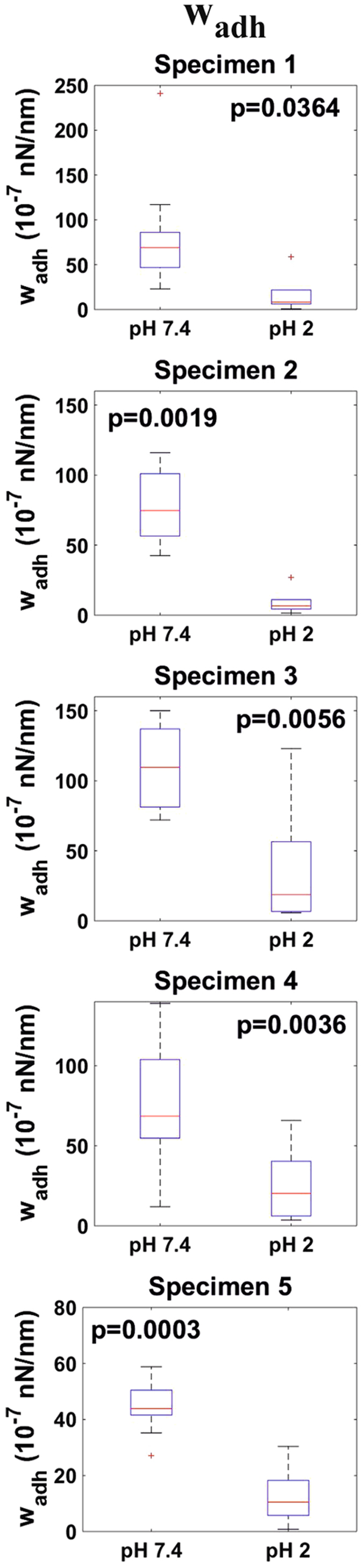
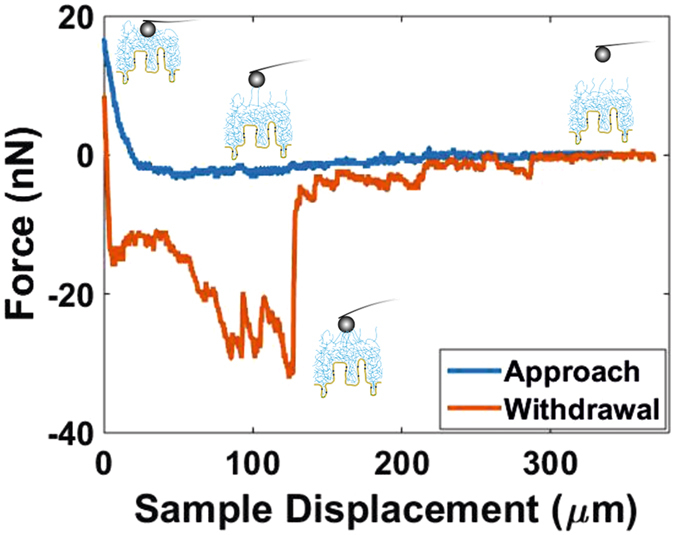
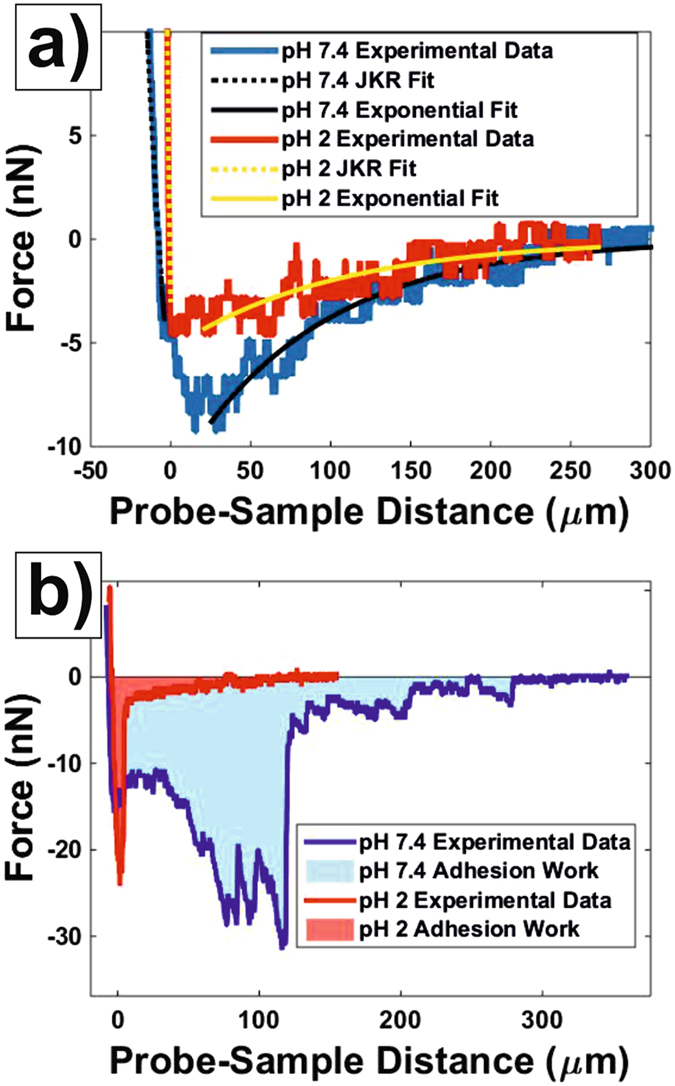
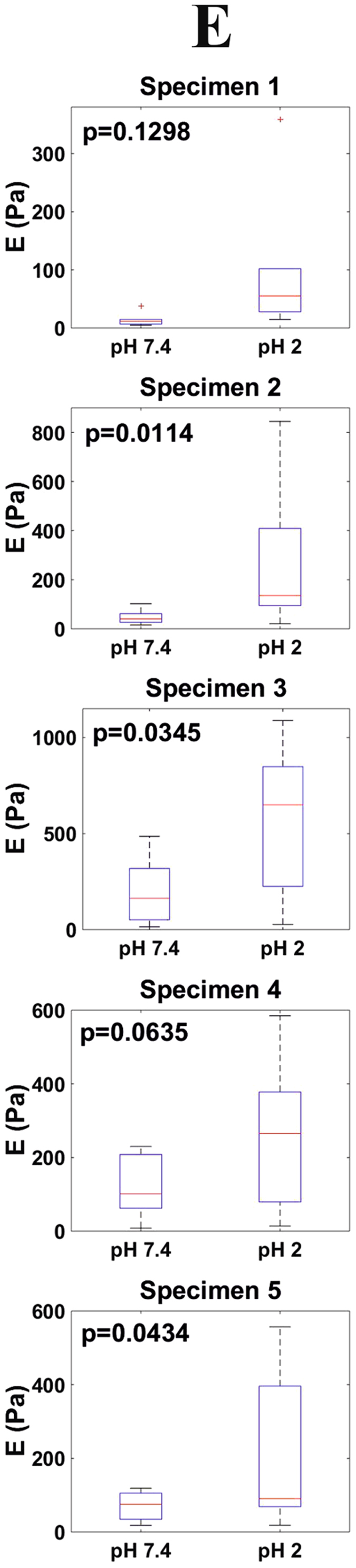
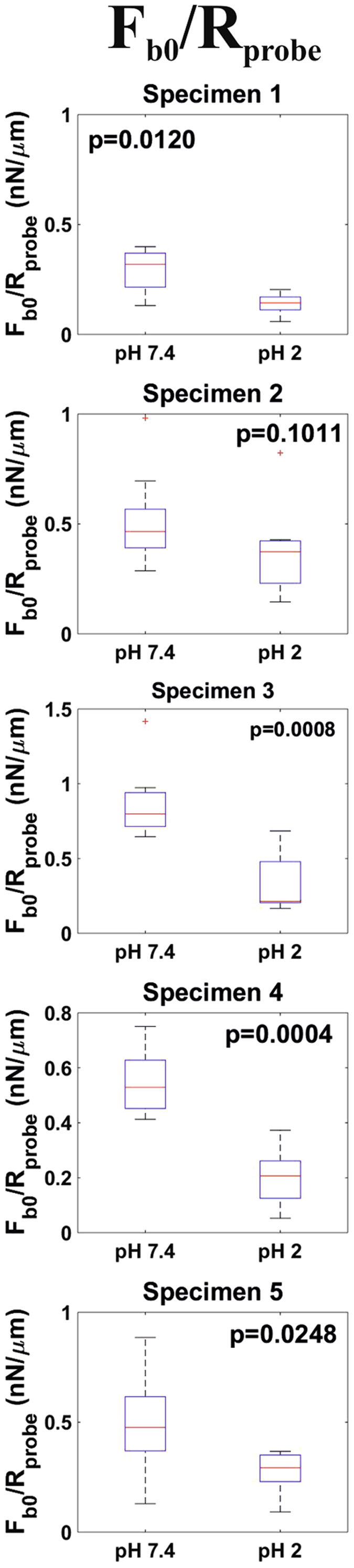
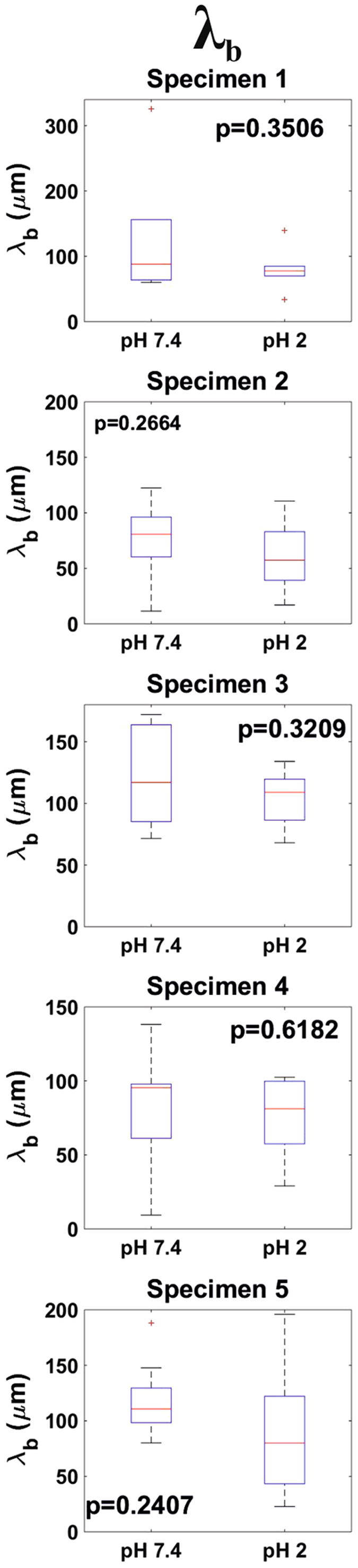
Mucus is the viscous gel that protects mucosal surfaces. It also plays a crucial role in several diseases as well as in mucosal drug delivery. Because of technical limitations, mucus properties have mainly been addressed by in-vitro studies. However, this approach can lead to artifacts as mucus collection can alter its structure. Here we show that by using an implemented atomic force microscope it is possible to measure the interactions between micro-particles and mucus blankets ex-vivo i.e., on fresh excised mucus-covered tissues. By applying this method to study the small intestine, we were able to quantify the stiffness and adhesiveness of its mucus blanket at different pH values. We also demonstrate the ability of mucus blankets to bind and attract particles hundreds of µm away from their surface, and to trap and bury them even if their size is as big as 15 µm.
黏液是保护黏膜表面的粘性凝胶。它在几种疾病以及黏膜药物输送中也起着至关重要的作用。由于技术限制,主要通过体外研究来解决黏液特性问题。然而,这种方法可能会导致人为假象,因为收集黏液会改变其结构。在这里,我们展示了通过使用实施的原子力显微镜,可以测量微粒子与黏液毯之间的相互作用,即在新鲜的、已切除的、有黏液覆盖的组织上进行测量。通过将这种方法应用于小肠的研究,我们能够量化不同 pH 值下其黏液毯的硬度和粘性。我们还证明了黏液毯具有结合和吸引远离其表面数百 µm 处的粒子的能力,并能够捕获和掩埋它们,即使它们的尺寸与 15 µm 一样大。