Pan Junqian, Chen Haimei, Guo Baolin, Liu Chang
Key Laboratory of Bioactive Substances and Resources Utilization of Chinese Herbal Medicine from Ministry of Education, Beijing, P.R. China.
Institute of Medicinal Plant Development, Chinese Academy of Medical Sciences, Peking Union Medical College, Beijing, P.R. China.
PLoS One. 2017 Aug 7;12(8):e0182348. doi: 10.1371/journal.pone.0182348. eCollection 2017.
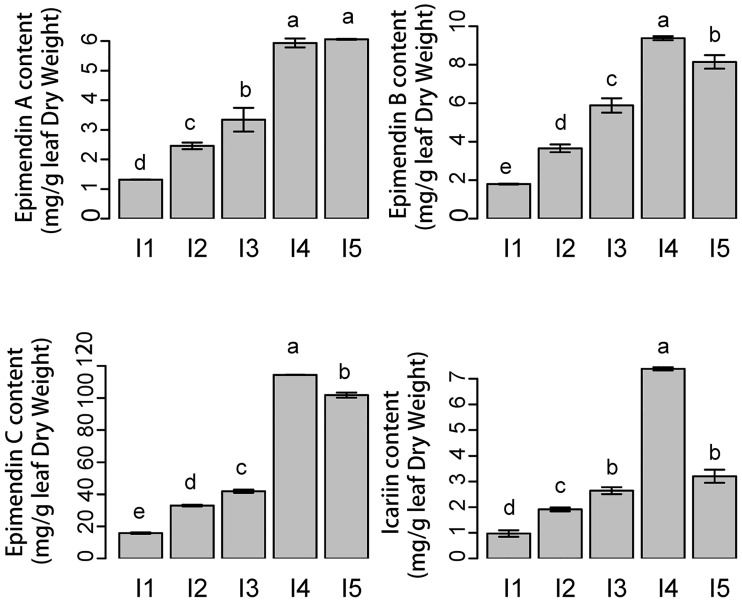
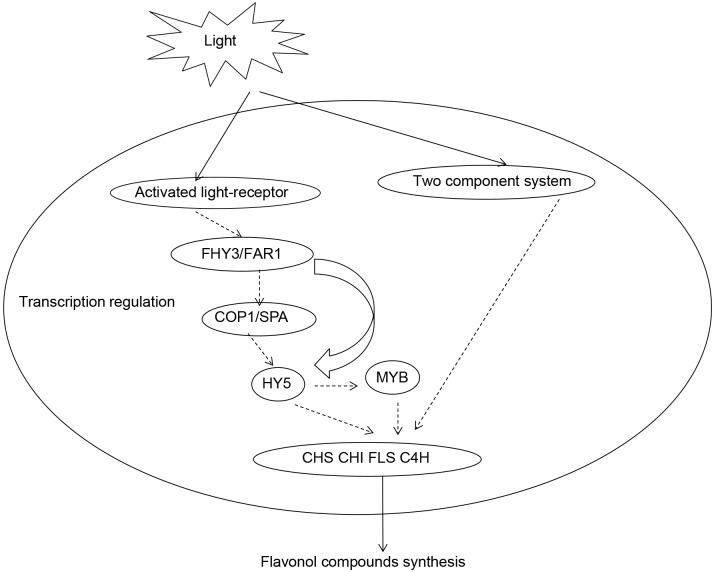
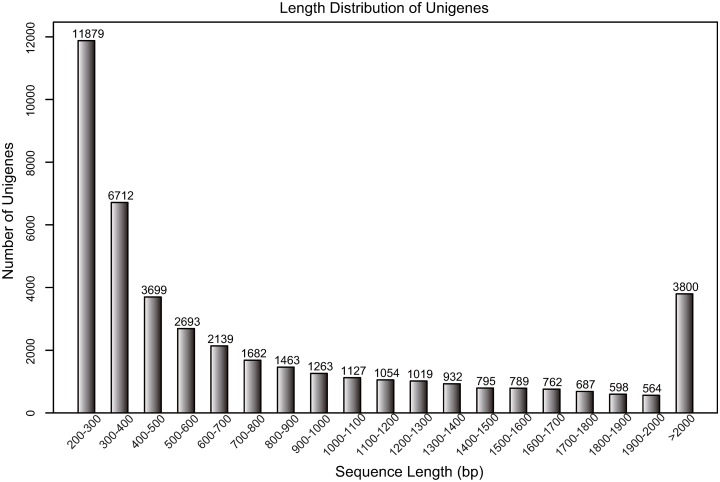
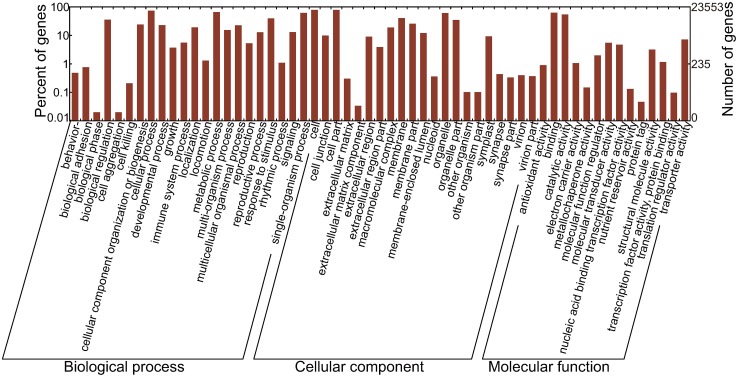
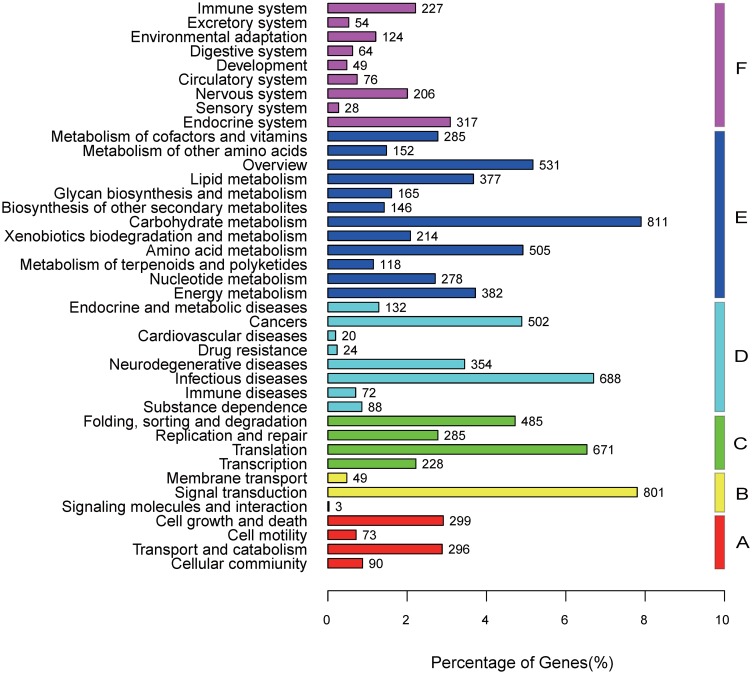
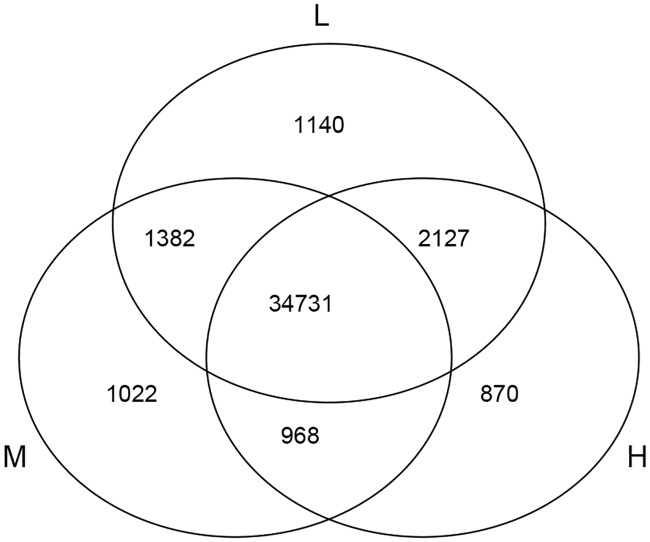
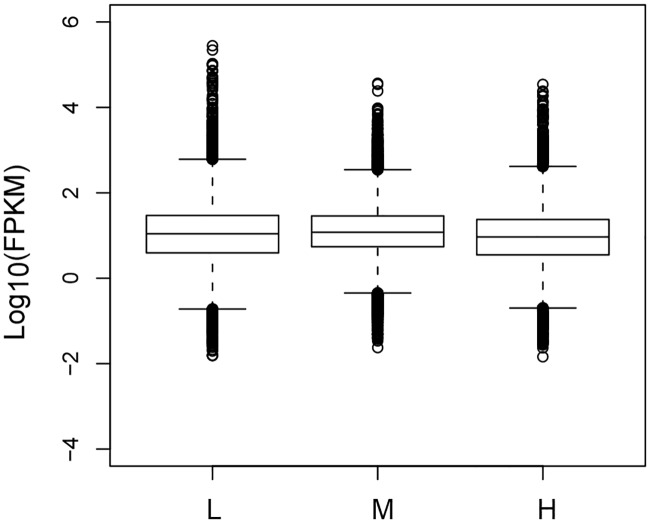
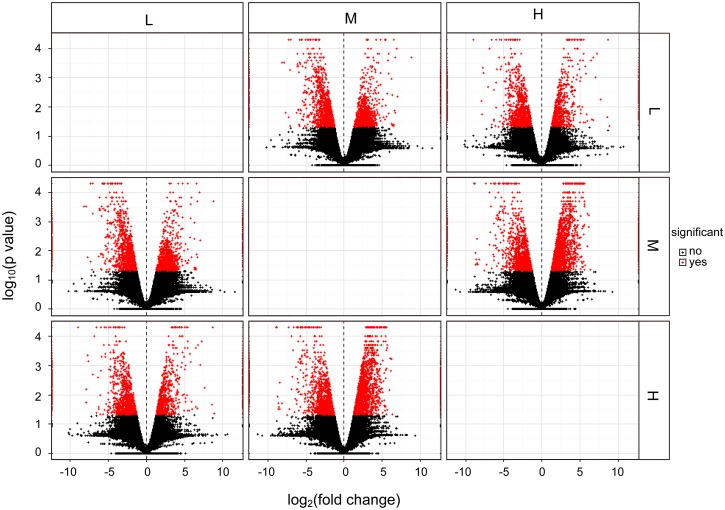
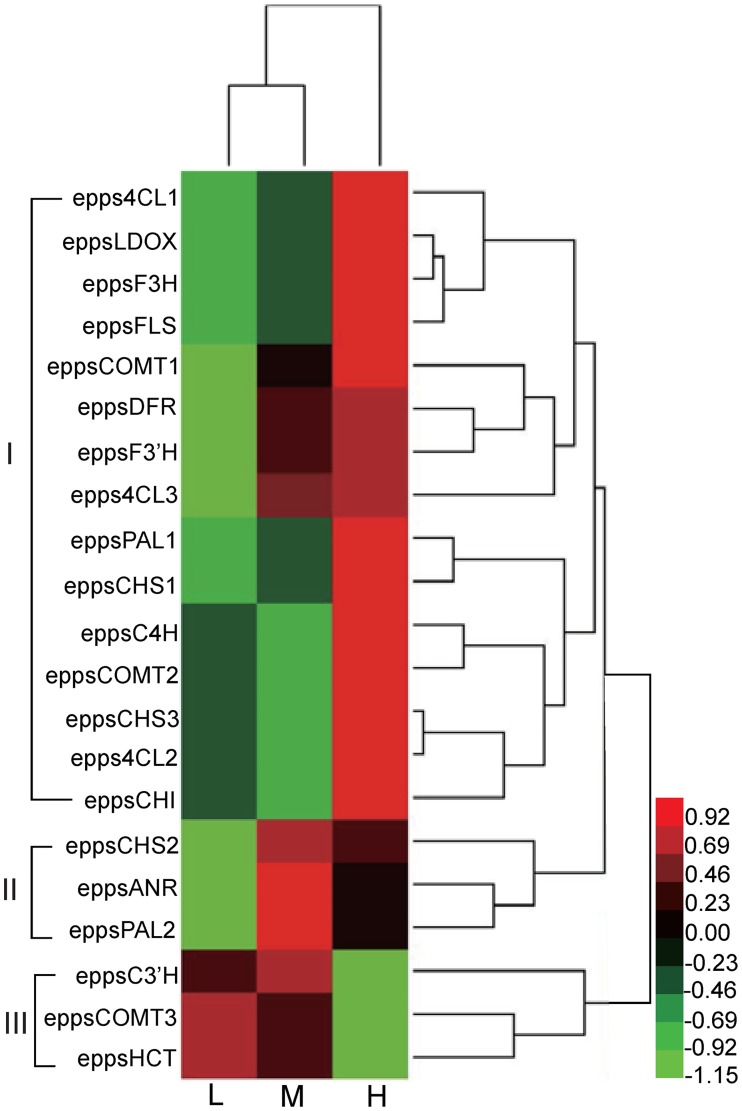
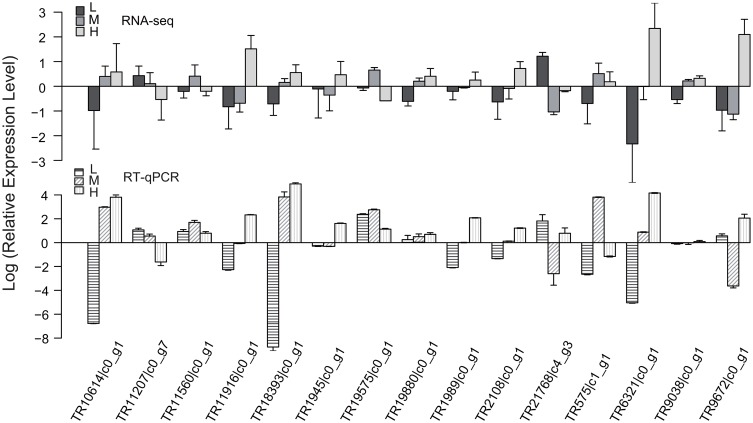
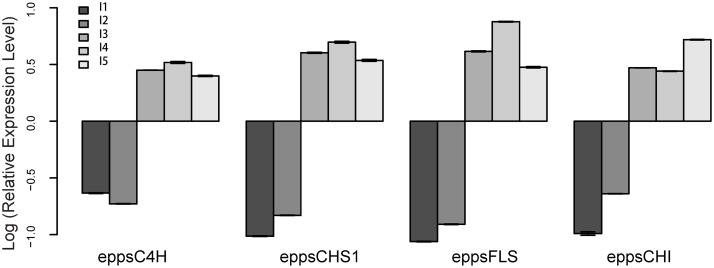
Epimedium pseudowushanense B.L.Guo, a light-demanding shade herb, is used in traditional medicine to increase libido and strengthen muscles and bones. The recognition of the health benefits of Epimedium has increased its market demand. However, its resource recycling rate is low and environmentally dependent. Furthermore, its natural sources are endangered, further increasing prices. Commercial culture can address resource constraints of it.Understanding the effects of environmental factors on the production of its active components would improve the technology for cultivation and germplasm conservation. Here, we studied the effects of light intensities on the flavonoid production and revealed the molecular mechanism using RNA-seq analysis. Plants were exposed to five levels of light intensity through the periods of germination to flowering, the flavonoid contents were measured using HPLC. Quantification of epimedin A, epimedin B, epimedin C, and icariin showed that the flavonoid contents varied with different light intensity levels. And the largest amount of epimedin C was produced at light intensity level 4 (I4). Next, the leaves under the treatment of three light intensity levels ("L", "M" and "H") with the largest differences in the flavonoid content, were subjected to RNA-seq analysis. Transcriptome reconstruction identified 43,657 unigenes. All unigene sequences were annotated by searching against the Nr, Gene Ontology, and Kyoto Encyclopedia of Genes and Genomes (KEGG) databases. In total, 4008, 5260, and 3591 significant differentially expressed genes (DEGs) were identified between the groups L vs. M, M vs. H and L vs. H. Particularly, twenty-one full-length genes involved in flavonoid biosynthesis were identified. The expression levels of the flavonol synthase, chalcone synthase genes were strongly associated with light-induced flavonoid abundance with the highest expression levels found in the H group. Furthermore, 65 transcription factors, including 31 FAR1, 17 MYB-related, 12 bHLH, and 5 WRKY, were differentially expressed after light induction. Finally, a model was proposed to explain the light-induced flavonoid production. This study provided valuable information to improve cultivation practices and produced the first comprehensive resource for E. pseudowushanense transcriptomes.
巫山淫羊藿是一种喜阳的阴生草本植物,在传统医学中用于增强性欲和强健筋骨。淫羊藿对健康有益的认知增加了其市场需求。然而,其资源循环利用率低且依赖环境。此外,其天然来源濒危,价格进一步上涨。商业化种植可以解决其资源限制问题。了解环境因素对其活性成分生产的影响将改善种植技术和种质保护。在此,我们研究了光照强度对黄酮类化合物生产的影响,并通过RNA测序分析揭示了分子机制。从发芽到开花期间,将植株暴露于五个光照强度水平下,使用高效液相色谱法测量黄酮类化合物含量。淫羊藿苷A、淫羊藿苷B、淫羊藿苷C和淫羊藿苷的定量分析表明,黄酮类化合物含量随光照强度水平不同而变化。淫羊藿苷C的产量在光照强度水平4(I4)时最高。接下来,对黄酮类化合物含量差异最大的三个光照强度水平(“L”、“M”和“H”)处理下的叶片进行RNA测序分析。转录组重建鉴定出43,657个单基因。所有单基因序列通过与Nr、基因本体论和京都基因与基因组百科全书(KEGG)数据库进行比对来注释。总共在L与M、M与H以及L与H组之间鉴定出4008、5260和3591个显著差异表达基因(DEG)。特别地,鉴定出21个参与黄酮类生物合成的全长基因。黄酮醇合酶、查尔酮合酶基因的表达水平与光诱导的黄酮类化合物丰度密切相关,在H组中表达水平最高。此外,65个转录因子,包括31个FAR1、17个MYB相关、12个bHLH和5个WRKY,在光诱导后差异表达。最后,提出了一个模型来解释光诱导的黄酮类化合物生产。本研究为改进种植实践提供了有价值的信息,并产生了首个关于巫山淫羊藿转录组的全面资源。