Etrich Christoph, Fahr Stephan, Hedayati Mehdi Keshavarz, Faupel Franz, Elbahri Mady, Rockstuhl Carsten
Institute of Condensed Matter Theory and Optics, Abbe Center of Photonics, Friedrich-Schiller-Universität Jena, Max-Wien-Platz 1, 07743 Jena, Germany.
Nanochemistry and Nanoengineering, Institute for Materials Science, Faculty of Engineering, Christian-Albrechts-Universität zu Kiel, Kaiserstrasse 2, 24143 Kiel, Germany.
Materials (Basel). 2014 Jan 27;7(2):727-741. doi: 10.3390/ma7020727.
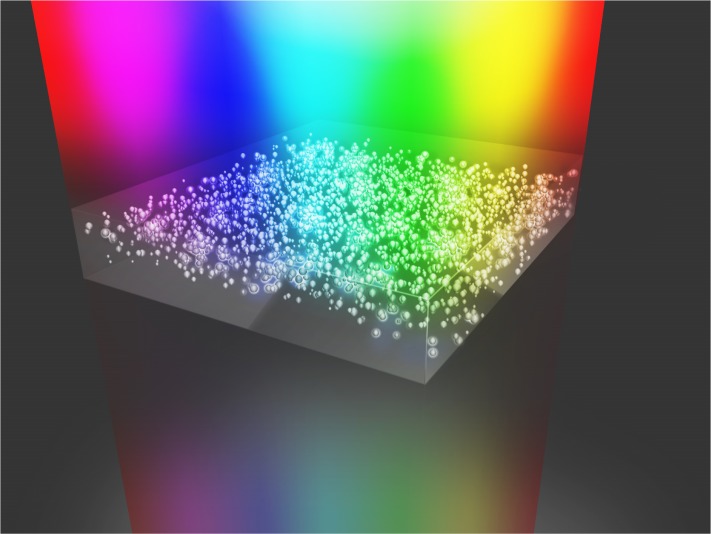
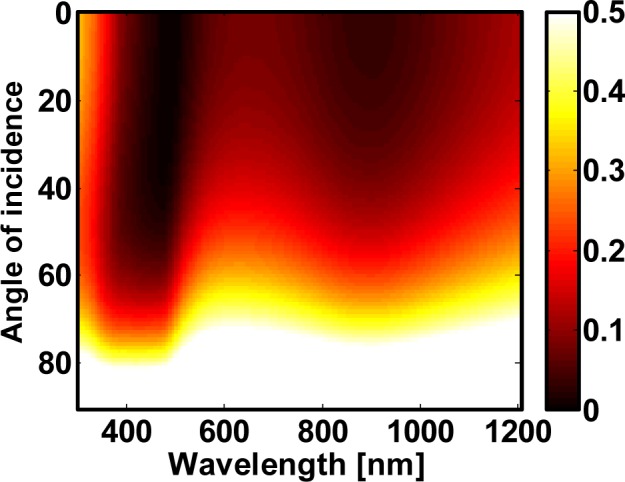
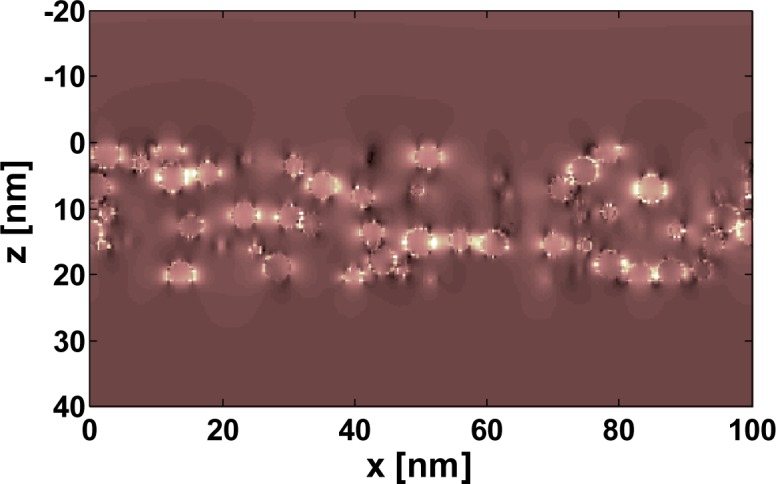
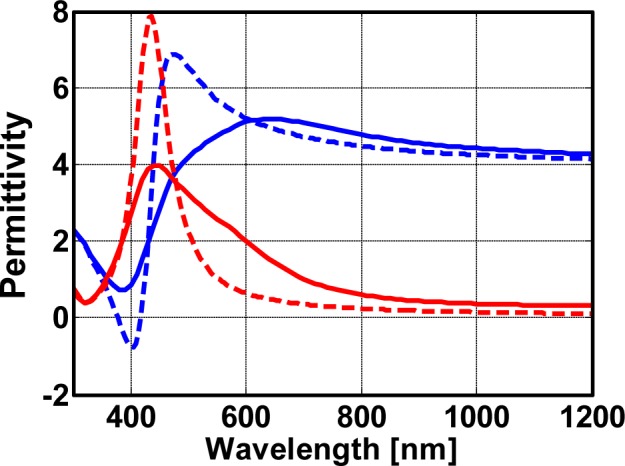
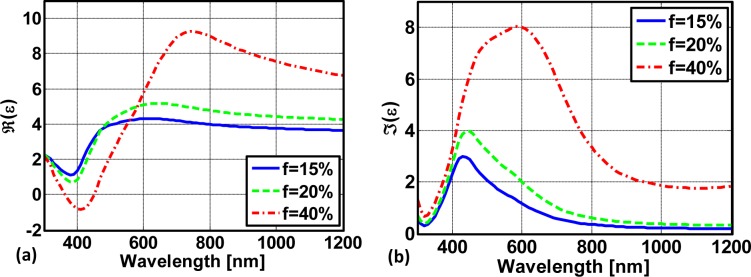
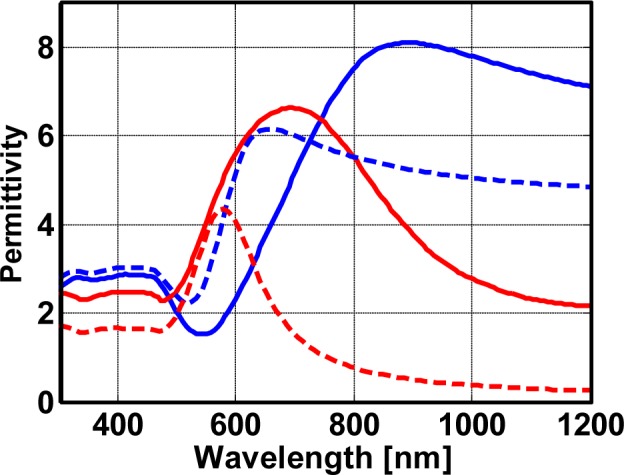
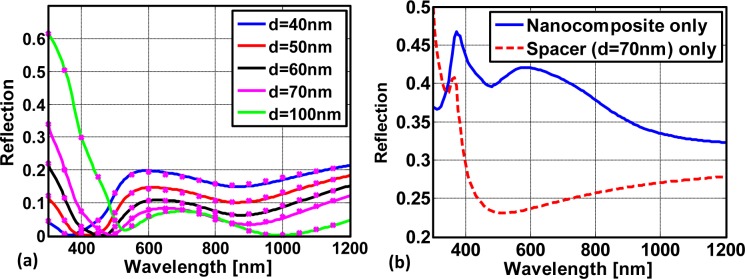
Plasmonic nanocomposites find many applications, such as nanometric coatings in emerging fields, such as optotronics, photovoltaics or integrated optics. To make use of their ability to affect light propagation in an unprecedented manner, plasmonic nanocomposites should consist of densely packed metallic nanoparticles. This causes a major challenge for their theoretical description, since the reliable assignment of effective optical properties with established effective medium theories is no longer possible. Established theories, e.g., the Maxwell-Garnett formalism, are only applicable for strongly diluted nanocomposites. This effective description, however, is a prerequisite to consider plasmonic nanocomposites in the design of optical devices. Here, we mitigate this problem and use full wave optical simulations to assign effective properties to plasmonic nanocomposites with filling fractions close to the percolation threshold. We show that these effective properties can be used to properly predict the optical action of functional devices that contain nanocomposites in their design. With this contribution we pave the way to consider plasmonic nanocomposites comparably to ordinary materials in the design of optical elements.
等离子体纳米复合材料有许多应用,例如在光电子学、光伏或集成光学等新兴领域中的纳米涂层。为了以前所未有的方式利用它们影响光传播的能力,等离子体纳米复合材料应由紧密堆积的金属纳米颗粒组成。这给它们的理论描述带来了重大挑战,因为用已有的有效介质理论可靠地确定有效光学性质已不再可能。已有的理论,例如麦克斯韦 - 加尼特形式理论,仅适用于高度稀释的纳米复合材料。然而,这种有效的描述是在光学器件设计中考虑等离子体纳米复合材料的先决条件。在这里,我们缓解了这个问题,并使用全波光学模拟为填充率接近渗流阈值的等离子体纳米复合材料确定有效性质。我们表明,这些有效性质可用于正确预测在设计中包含纳米复合材料的功能器件的光学作用。通过这一贡献,我们为在光学元件设计中像对待普通材料一样考虑等离子体纳米复合材料铺平了道路。