Federal Research and Clinical Center of Intensive Care Medicine and Rehabilitology, V.A. Negovsky Scientific Research Institute of General Reanimatology, Moscow, Russian Federation.
Federal State Autonomous Educational Institution of Higher Education I.M. Sechenov First Moscow StateMedical University of the Ministry of Health of the Russian Federation, Moscow, Russian Federation.
Sci Rep. 2017 Aug 10;7(1):7846. doi: 10.1038/s41598-017-08255-9.
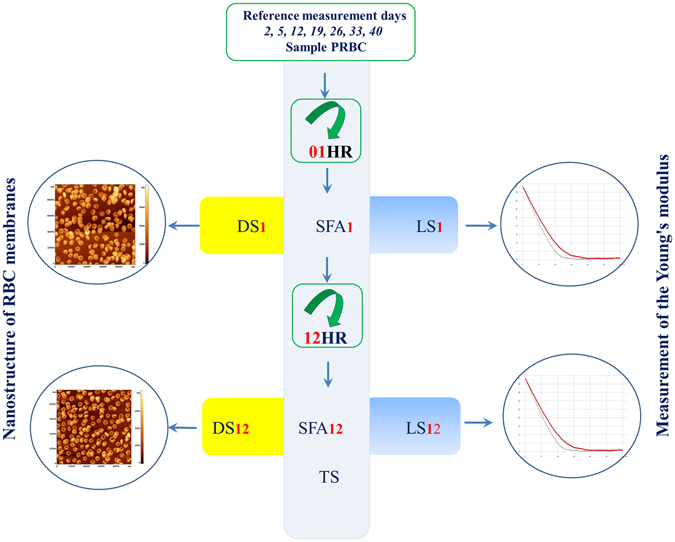
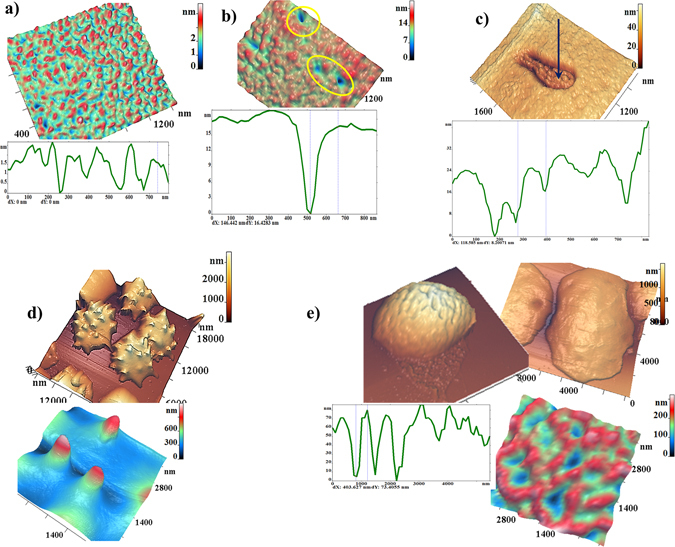
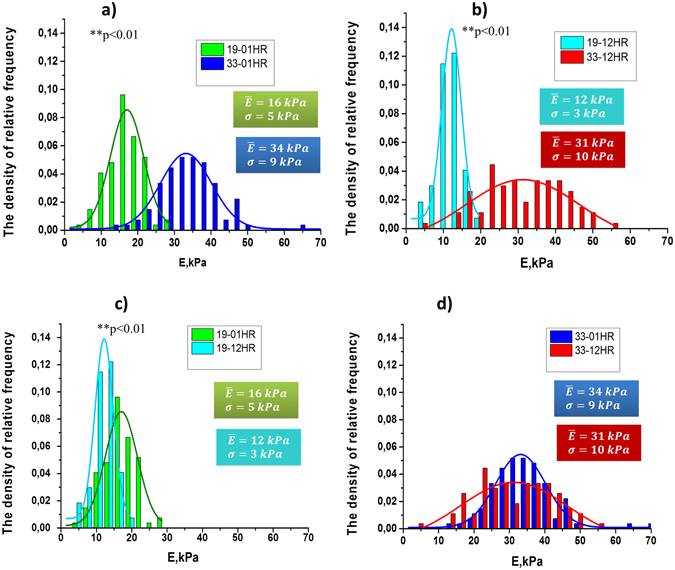
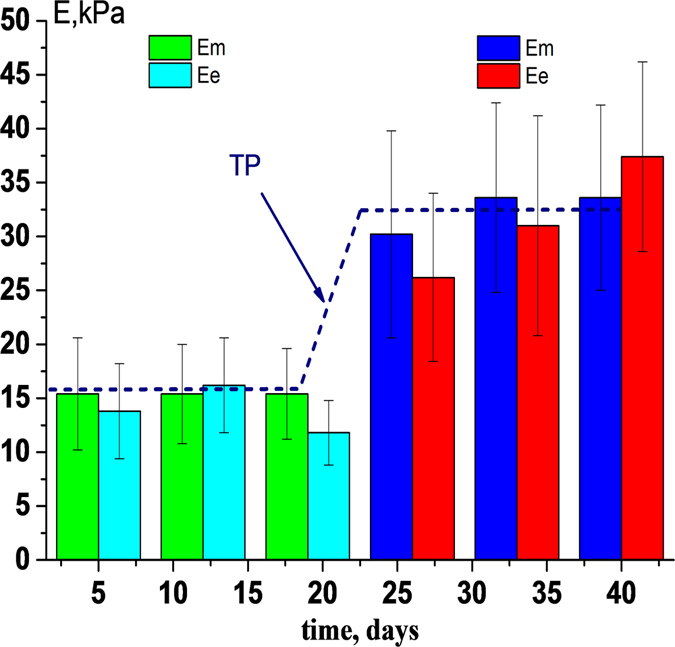
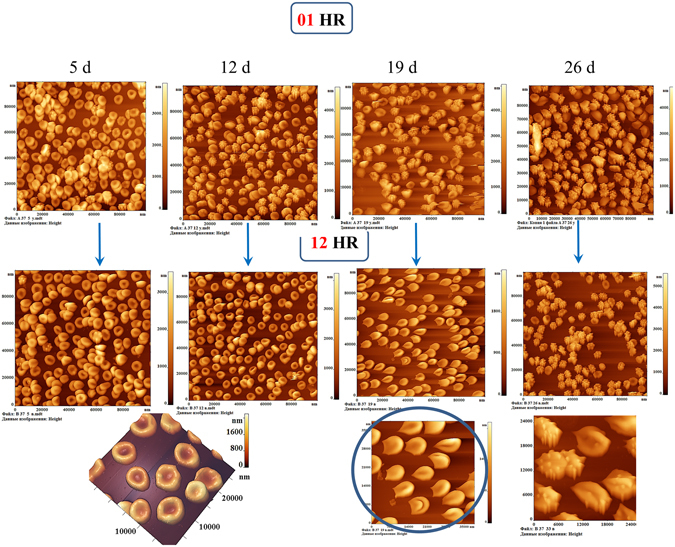
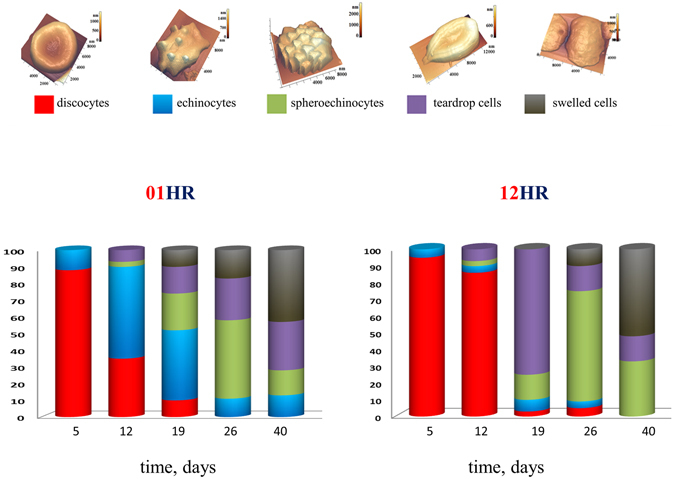
Transfusion of packed red blood cells (PRBC) to patients in critical states is often accompanied by post-transfusion complications. This may be related with disturbance of properties of PRBC and their membranes during long-term storage in the hemopreservative solution. The purpose of our work is the study of transformation of morphology, membranes stiffness and nanostructure for assessment of PRBC quality, in vitro. By atomic force microscopy we studied the transformation of cell morphology, the appearance of topological nanodefects of membranes and by atomic force spectroscopy studied the change of membrane stiffness during 40 days of storage of PRBC. It was shown that there is a transition period (20-26 days), in which we observed an increase in the Young's modulus of the membranes 1.6-2 times and transition of cells into irreversible forms. This process was preceded by the appearance of topological nanodefects of membranes. These parameters can be used for quality assessment of PRBC and for improvement of transfusion rules.
将浓缩红细胞(PRBC)输注给处于危急状态的患者常常伴随着输血后并发症。这可能与 PRBC 在血液保存液中长期储存期间其性质和膜的变化有关。我们的工作目的是研究形态、膜硬度和纳米结构的变化,以评估 PRBC 的体外质量。通过原子力显微镜,我们研究了细胞形态的变化、膜拓扑纳米缺陷的出现,并通过原子力光谱法研究了 PRBC 储存 40 天期间膜硬度的变化。结果表明,存在一个转变期(20-26 天),在此期间,我们观察到膜的杨氏模量增加了 1.6-2 倍,细胞转变为不可逆状态。这一过程之前出现了膜的拓扑纳米缺陷。这些参数可用于评估 PRBC 的质量,并改进输血规则。