Okuma Nobuyuki, Saita Makiko, Hoshi Noriyuki, Soga Tomoyoshi, Tomita Masaru, Sugimoto Masahiro, Kimoto Katsuhiko
Department of Oral Interdisciplinary Medicine, Graduate School of Dentistry, Kanagawa Dental University, Kanagawa, Japan.
Institute for Advanced Biosciences, Keio University, Yamagata, Japan.
PLoS One. 2017 Aug 15;12(8):e0183109. doi: 10.1371/journal.pone.0183109. eCollection 2017.
This study characterized the changes in quality and quantity of saliva, and changes in the salivary metabolomic profile, to understand the effects of masticatory stimulation.
Stimulated and unstimulated saliva samples were collected from 55 subjects and salivary hydrophilic metabolites were comprehensively quantified using capillary electrophoresis-time-of-flight mass spectrometry.
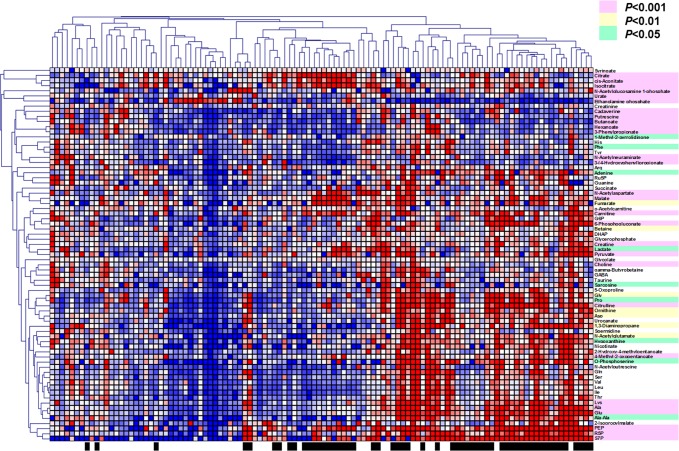
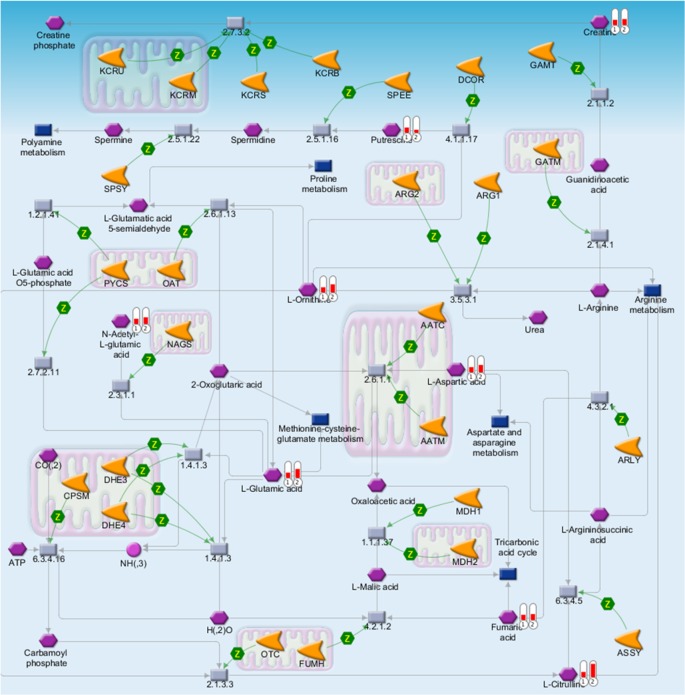
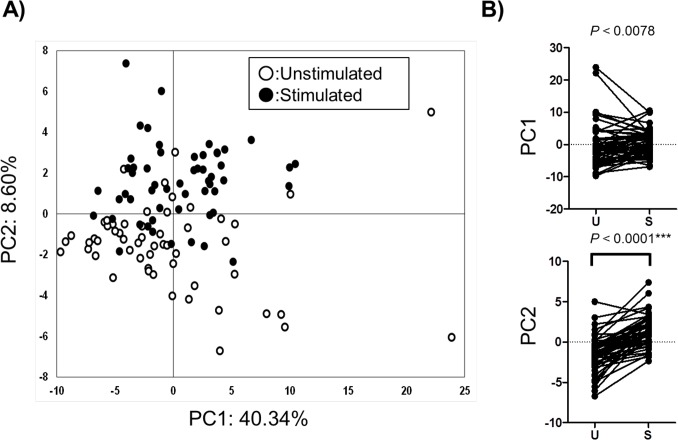
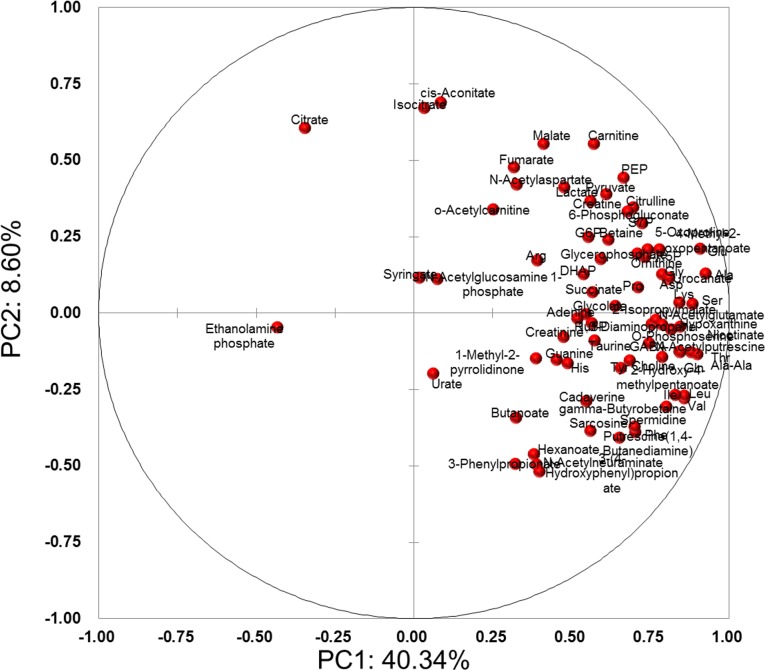
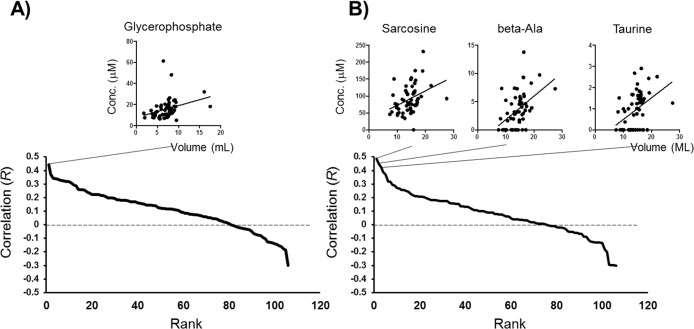
In total, 137 metabolites were identified and quantified. The concentrations of 44 metabolites in stimulated saliva were significantly higher than those in unstimulated saliva. Pathway analysis identified the upregulation of the urea cycle and synthesis and degradation pathways of glycine, serine, cysteine and threonine in stimulated saliva. A principal component analysis revealed that the effect of masticatory stimulation on salivary metabolomic profiles was less dependent on sample population sex, age, and smoking. The concentrations of only 1 metabolite in unstimulated saliva, and of 3 metabolites stimulated saliva, showed significant correlation with salivary secretion volume, indicating that the salivary metabolomic profile and salivary secretion volume were independent factors.
Masticatory stimulation affected not only salivary secretion volume, but also metabolite concentration patterns. A low correlation between the secretion volume and these patterns supports the conclusion that the salivary metabolomic profile may be a new indicator to characterize masticatory stimulation.
本研究旨在通过对唾液质量、数量以及唾液代谢组学特征变化的分析,来了解咀嚼刺激的影响。
收集了55名受试者的刺激唾液和非刺激唾液样本,并采用毛细管电泳-飞行时间质谱法对唾液亲水性代谢物进行了全面定量分析。
共鉴定并定量了137种代谢物。刺激唾液中44种代谢物的浓度显著高于非刺激唾液。通路分析表明,刺激唾液中尿素循环以及甘氨酸、丝氨酸、半胱氨酸和苏氨酸的合成与降解通路上调。主成分分析显示,咀嚼刺激对唾液代谢组学特征的影响较少依赖于样本人群的性别、年龄和吸烟状况。非刺激唾液中仅1种代谢物的浓度以及刺激唾液中3种代谢物的浓度与唾液分泌量显著相关,这表明唾液代谢组学特征和唾液分泌量是独立的因素。
咀嚼刺激不仅影响唾液分泌量,还影响代谢物浓度模式。分泌量与这些模式之间的低相关性支持了唾液代谢组学特征可能是表征咀嚼刺激的新指标这一结论。