Zhao Linbo, Imperiale Michael J
Department of Microbiology and Immunology, University of Michigan, Ann Arbor, Michigan, USA.
Comprehensive Cancer Center, University of Michigan, Ann Arbor, Michigan, USA.
mSphere. 2017 Jul 26;2(4). doi: 10.1128/mSphereDirect.00291-17. eCollection 2017 Jul-Aug.
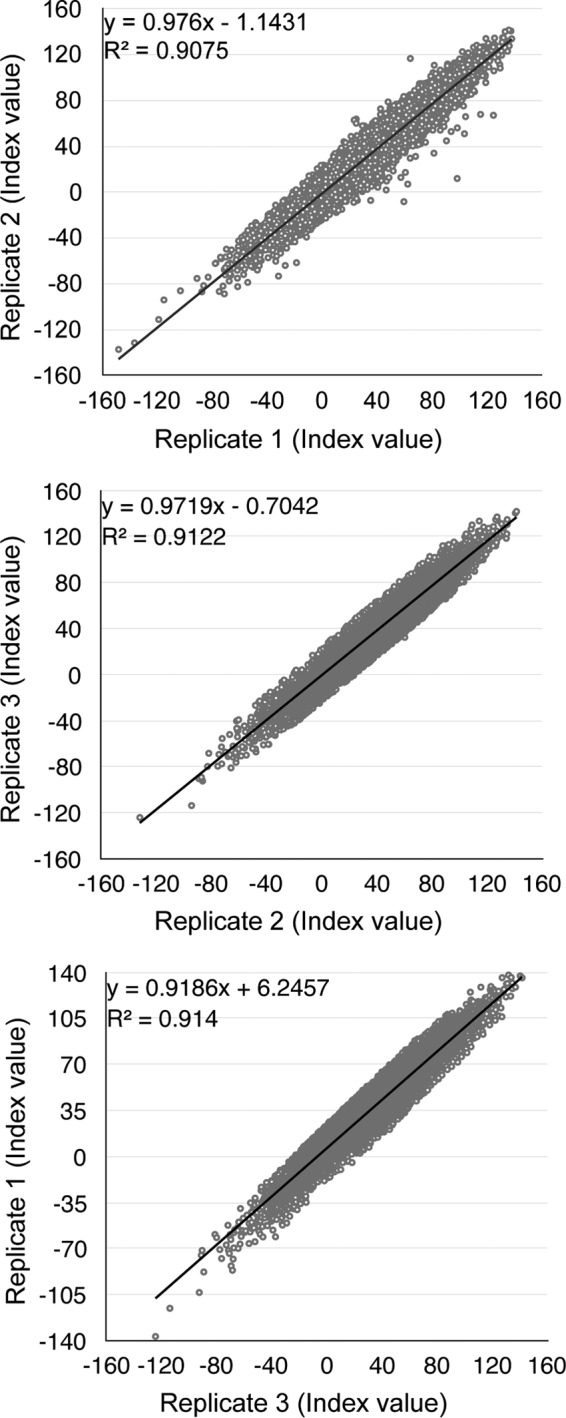
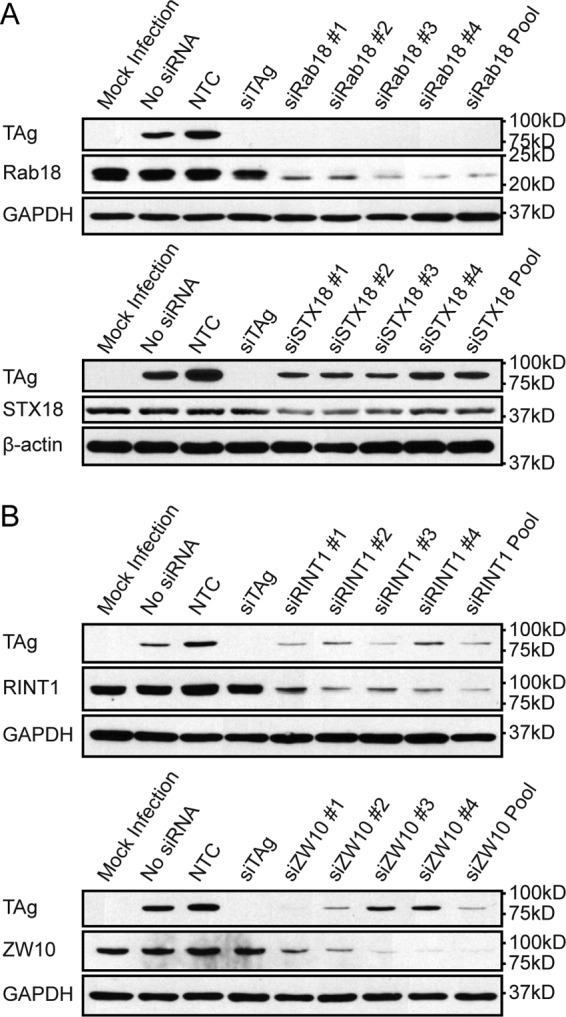
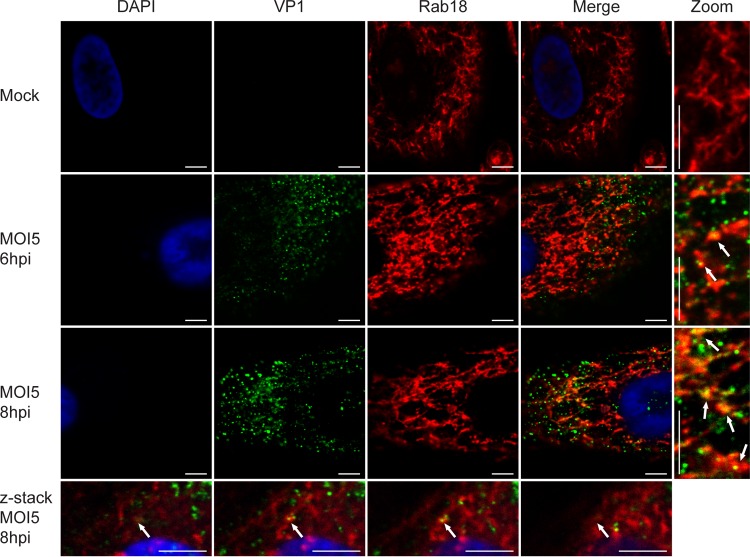
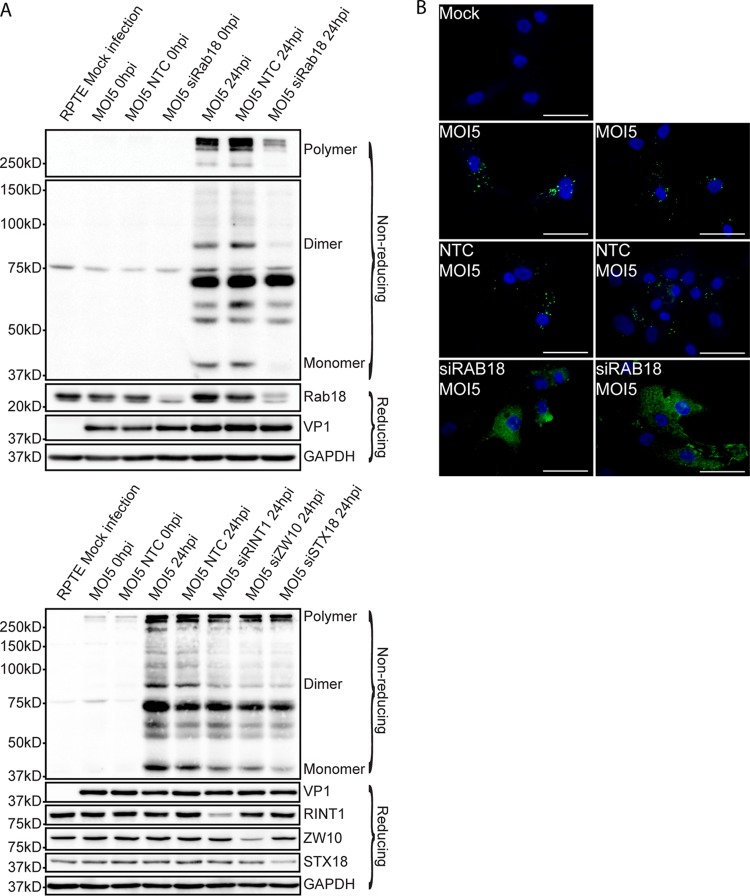
BK polyomavirus (BKPyV) is a human pathogen first isolated in 1971. BKPyV infection is ubiquitous in the human population, with over 80% of adults worldwide being seropositive for BKPyV. BKPyV infection is usually asymptomatic; however, BKPyV reactivation in immunosuppressed transplant patients causes two diseases, polyomavirus-associated nephropathy and hemorrhagic cystitis. To establish a successful infection in host cells, BKPyV must travel in retrograde transport vesicles to reach the nucleus. To make this happen, BKPyV requires the cooperation of host cell proteins. To further identify host factors associated with BKPyV entry and intracellular trafficking, we performed a whole-genome small interfering RNA screen on BKPyV infection of primary human renal proximal tubule epithelial cells. The results revealed the importance of Ras-related protein Rab18 and syntaxin 18 for BKPyV infection. Our subsequent experiments implicated additional factors that interact with this pathway and suggest a more detailed model of the intracellular trafficking process, indicating that BKPyV reaches the endoplasmic reticulum (ER) lumen through a retrograde transport pathway between the late endosome and the ER. Polyomaviruses bind to a group of specific gangliosides on the plasma membrane of the cell prior to being endocytosed. They then follow a retrograde trafficking pathway to reach the endoplasmic reticulum (ER). The viruses begin to disassemble in the ER and then exit the ER and move to the nucleus. However, the details of intracellular trafficking between the endosome and the ER are largely unknown. By implementing a whole human genome small interfering RNA screen, we identified Rab18, syntaxin 18, and the NRZ complex as key components in endosome-ER trafficking of the human polyomavirus BKPyV. These results serve to further elucidate the route BKPyV takes from outside the cell to its site of replication in the nucleus.
BK多瘤病毒(BKPyV)是一种于1971年首次分离出的人类病原体。BKPyV感染在人群中普遍存在,全球超过80%的成年人血清中BKPyV呈阳性。BKPyV感染通常无症状;然而,免疫抑制的移植患者中BKPyV重新激活会引发两种疾病,即多瘤病毒相关性肾病和出血性膀胱炎。为了在宿主细胞中成功感染,BKPyV必须通过逆行运输囊泡到达细胞核。为此,BKPyV需要宿主细胞蛋白的协同作用。为了进一步鉴定与BKPyV进入和细胞内运输相关的宿主因子,我们对原代人肾近端小管上皮细胞的BKPyV感染进行了全基因组小干扰RNA筛选。结果揭示了Ras相关蛋白Rab18和 syntaxin 18对BKPyV感染的重要性。我们随后的实验涉及与该途径相互作用的其他因素,并提出了细胞内运输过程的更详细模型,表明BKPyV通过晚期内体和内质网之间的逆行运输途径到达内质网(ER)腔。多瘤病毒在被内吞之前会与细胞质膜上的一组特定神经节苷脂结合。然后它们沿着逆行运输途径到达内质网(ER)。病毒在内质网中开始解体,然后离开内质网并移动到细胞核。然而,内体和内质网之间细胞内运输的细节在很大程度上尚不清楚。通过实施全人类基因组小干扰RNA筛选,我们确定Rab18、syntaxin 18和NRZ复合物是人类多瘤病毒BKPyV内体-内质网运输的关键成分。这些结果有助于进一步阐明BKPyV从细胞外到其在细胞核中复制位点所采取的途径。