Singh Tarvinder, Peters Steven R, Tirschwell David L, Creutzfeldt Claire J
From the Department of Neurology, Harborview Medical Center, University of Washington, Seattle.
Stroke. 2017 Sep;48(9):2534-2540. doi: 10.1161/STROKEAHA.117.016893. Epub 2017 Aug 17.
Substantial variability exists in the use of life-prolonging treatments for patients with stroke, especially near the end of life. This study explores patterns of palliative care utilization and death in hospitalized patients with stroke across the United States.
Using the 2010 to 2012 nationwide inpatient sample databases, we included all patients discharged with stroke identified by codes. Strokes were subclassified as ischemic, intracerebral, and subarachnoid hemorrhage. We compared demographics, comorbidities, procedures, and outcomes between patients with and without a palliative care encounter (PCE) as defined by the code V66.7. Pearson χ test was used for categorical variables. Multivariate logistic regression was used to account for hospital, regional, payer, and medical severity factors to predict PCE use and death.
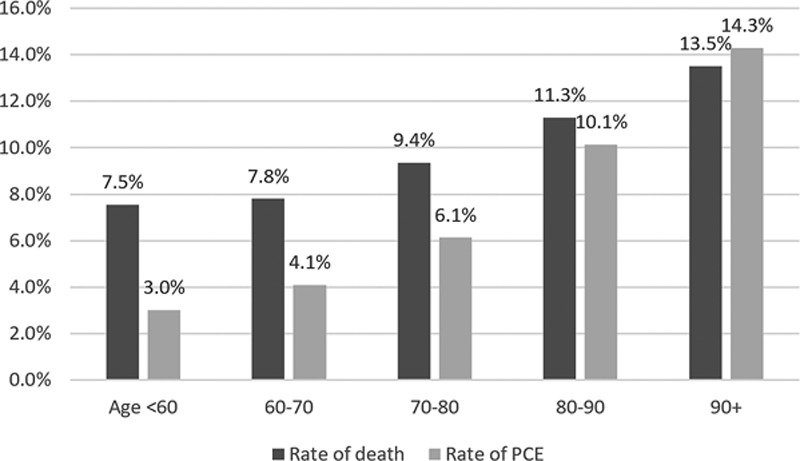
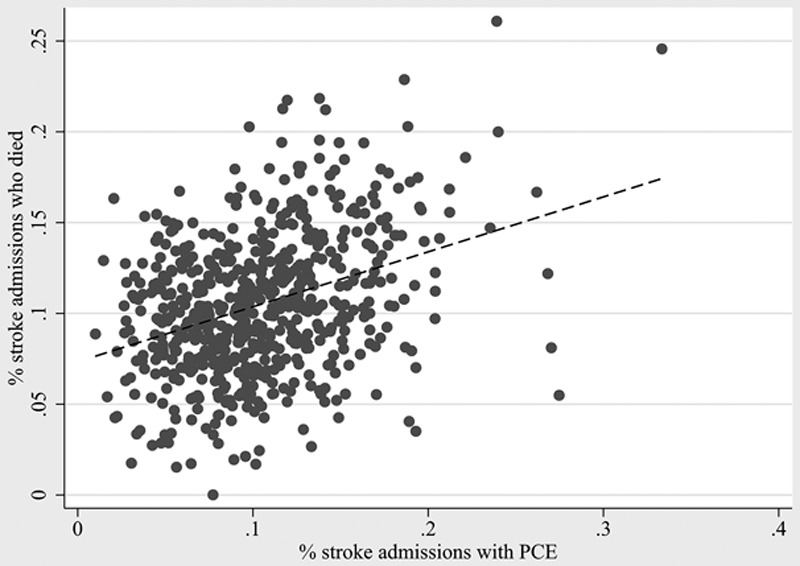
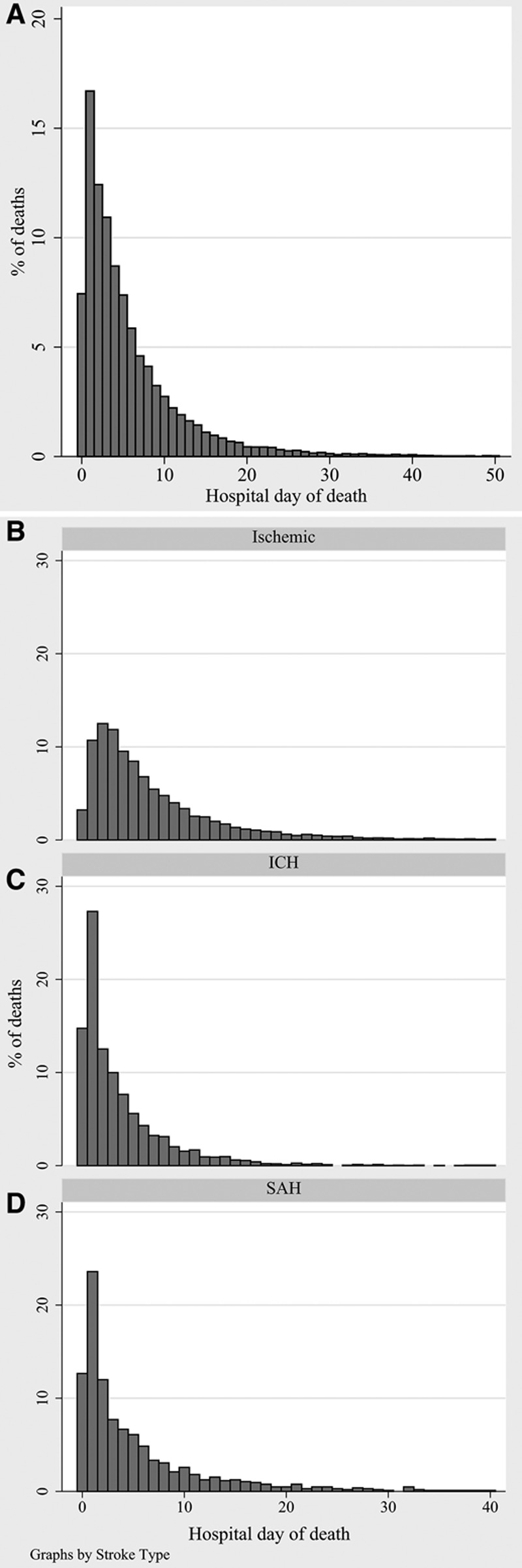
Among 395 411 patients with stroke, PCE was used in 6.2% with an increasing trend over time (<0.05). We found a wide range in PCE use with higher rates in patients with older age, hemorrhagic stroke types, women, and white race (all <0.001). Smaller and for-profit hospitals saw lower rates. Overall, 9.2% of hospitalized patients with stroke died, and PCE was significantly associated with death. Length of stay in decedents was shorter for patients who received PCE.
Palliative care use is increasing nationally for patients with stroke, especially in larger hospitals. Persistent disparities in PCE use and mortality exist in regards to age, sex, race, region, and hospital characteristics. Given the variations in PCE use, especially at the end of life, the use of mortality rates as a hospital quality measure is questioned.
对于中风患者,尤其是临终前患者,延长生命治疗的使用存在很大差异。本研究探讨了美国住院中风患者的姑息治疗利用模式和死亡情况。
利用2010年至2012年全国住院患者样本数据库,我们纳入了所有通过编码识别出的中风出院患者。中风被细分为缺血性、脑内和蛛网膜下腔出血。我们比较了有和没有姑息治疗接触(PCE,由编码V66.7定义)的患者之间的人口统计学、合并症、手术和结局。分类变量采用Pearson χ检验。多变量逻辑回归用于考虑医院、地区、支付方和医疗严重程度因素,以预测PCE的使用和死亡情况。
在395411例中风患者中,6.2%使用了PCE,且随时间呈上升趋势(P<0.05)。我们发现PCE的使用范围很广,年龄较大、出血性中风类型、女性和白人患者的使用率较高(均P<0.001)。规模较小的营利性医院使用率较低。总体而言,9.2%的住院中风患者死亡,PCE与死亡显著相关。接受PCE的死者住院时间较短。
全国范围内中风患者的姑息治疗使用正在增加,尤其是在较大的医院。在年龄、性别、种族、地区和医院特征方面,PCE使用和死亡率存在持续差异。鉴于PCE使用的差异,尤其是在临终时,将死亡率作为医院质量衡量指标受到质疑。