Kolmas Joanna, Pajor Kamil, Pajchel Lukasz, Przekora Agata, Ginalska Grażyna, Oledzka Ewa, Sobczak Marcin
Department of Inorganic and Analytical Chemistry, Faculty of Pharmacy with Laboratory Medicine Division, Medical University of Warsaw, Warsaw.
Department of Biochemistry and Biotechnology, Faculty of Pharmacy with Medical Analytics Division, Medical University of Lublin, Lublin.
Int J Nanomedicine. 2017 Aug 7;12:5633-5642. doi: 10.2147/IJN.S140935. eCollection 2017.
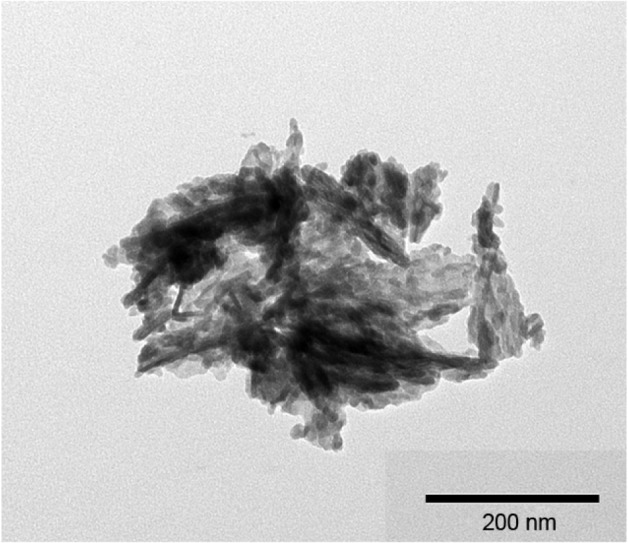
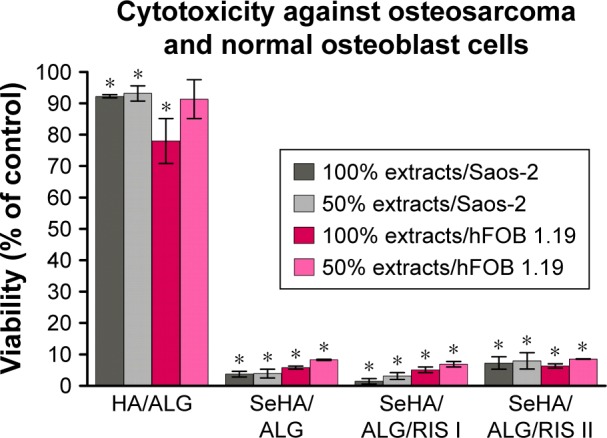
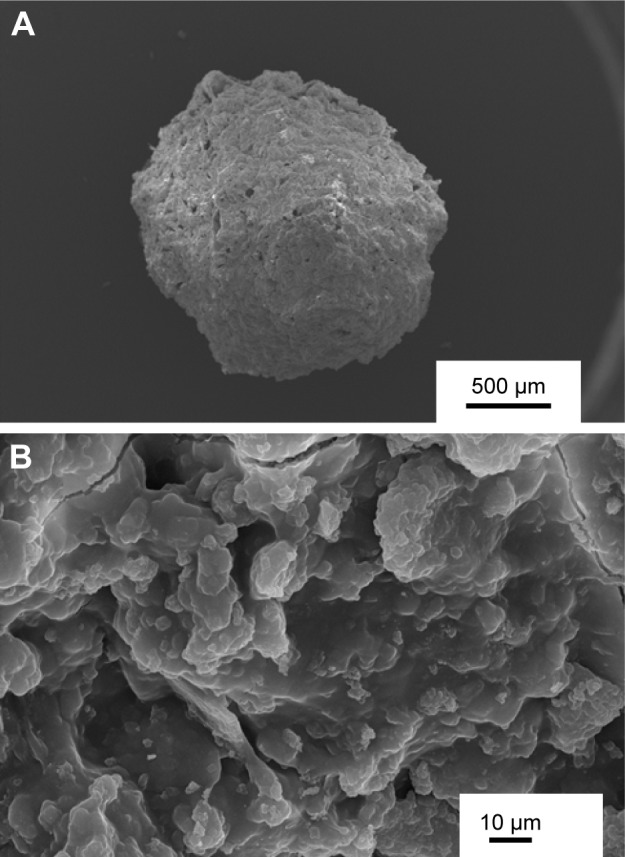
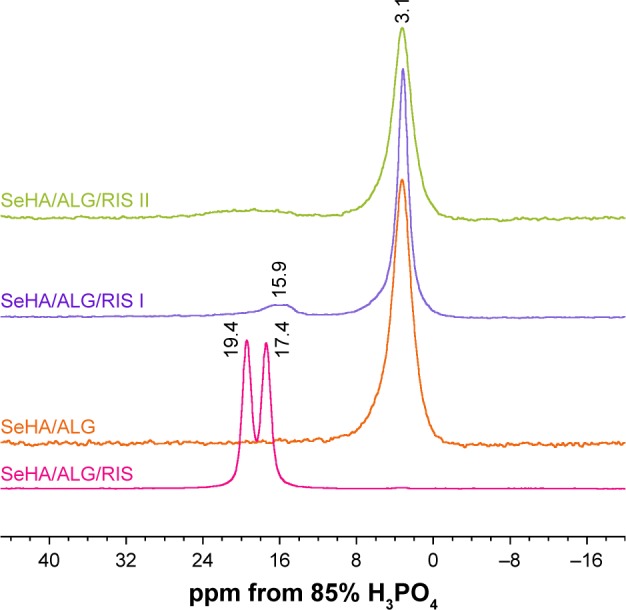
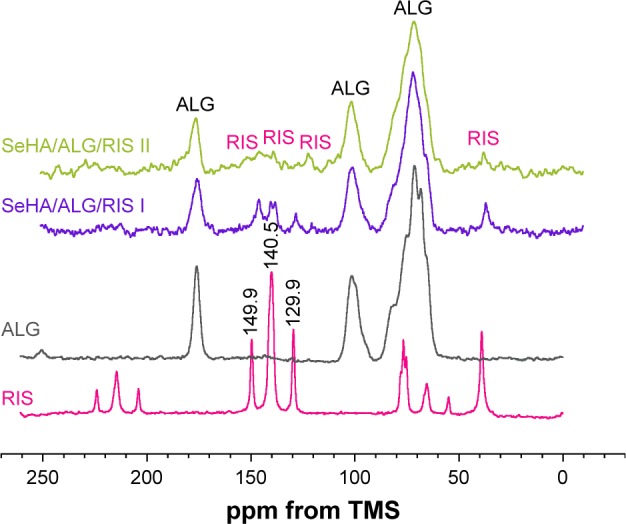
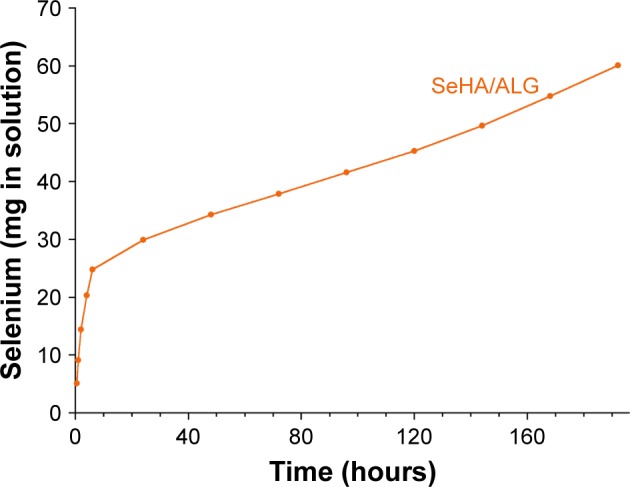
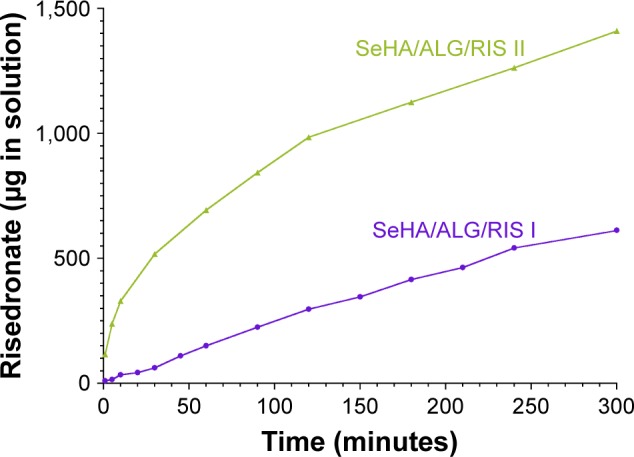
Nanocrystalline hydroxyapatite containing selenite ions (SeHA; 9.6 wt.% of selenium) was synthesized using wet method and subject to careful physicochemical analysis by powder X-ray diffraction, Fourier transform infrared spectroscopy, transmission electron microscopy, solid-state nuclear magnetic resonance, wavelength dispersive X-ray fluorescence, and inductively coupled plasma optical emission spectrometry. SeHA was then used to develop the selenium-containing hydroxyapatite/alginate (SeHA/ALG) composite granules. Risedronate sodium (RIS) was introduced to the obtained spherical microgranules of a size of about 1.1-1.5 mm in 2 ways: during the granules' preparation (RIS solution added to a suspension of ALG and SeHA), and as a result of SeHA/ALG granules soaking in aqueous RIS solution. The analysis made using C and P cross-polarization magic angle spinning nuclear magnetic resonance confirmed the presence of RIS and its interaction with calcium ions. Then, the release of selenium (inductively coupled plasma optical emission spectrometry) and RIS (high-performance liquid chromatography) from microgranules was examined. Moreover, cytotoxicity of fabricated granules was assessed by MTT test. Selenium release was biphasic: the first stage was short and ascribed to a "burst release" probably from a hydrated surface layer of SeHA crystals, while the next stage was significantly longer and ascribed to a sustained release of selenium from the crystals' interior. The study showed that the method of obtaining microgranules containing RIS significantly affects its release profile. Performed cytotoxicity test revealed that fabricated granules had high antitumor activity against osteosarcoma cells. However, because of the "burst release" of selenium during the first 10 h, the granules significantly reduced viability of normal osteoblasts as well.
采用湿法合成了含亚硒酸根离子的纳米晶羟基磷灰石(SeHA;硒含量为9.6 wt.%),并通过粉末X射线衍射、傅里叶变换红外光谱、透射电子显微镜、固体核磁共振、波长色散X射线荧光光谱和电感耦合等离子体发射光谱对其进行了详细的物理化学分析。然后,用SeHA制备含硒羟基磷灰石/藻酸盐(SeHA/ALG)复合颗粒。以两种方式将阿仑膦酸钠(RIS)引入到所得尺寸约为1.1-1.5 mm的球形微颗粒中:在颗粒制备过程中(将RIS溶液加入到ALG和SeHA的悬浮液中),以及将SeHA/ALG颗粒浸泡在RIS水溶液中。使用C和P交叉极化魔角旋转核磁共振进行的分析证实了RIS的存在及其与钙离子的相互作用。然后,检测了微颗粒中硒(电感耦合等离子体发射光谱)和RIS(高效液相色谱)的释放情况。此外,通过MTT试验评估了制备颗粒的细胞毒性。硒的释放是双相的:第一阶段较短,可能归因于SeHA晶体水合表面层的“突发释放”,而第二阶段明显较长,归因于硒从晶体内部的持续释放。研究表明,获得含RIS微颗粒的方法显著影响其释放曲线。进行的细胞毒性试验表明,制备的颗粒对骨肉瘤细胞具有高抗肿瘤活性。然而,由于在最初10小时内硒的“突发释放”,这些颗粒也显著降低了正常成骨细胞的活力。