Acs G, Sells M A, Purcell R H, Price P, Engle R, Shapiro M, Popper H
Proc Natl Acad Sci U S A. 1987 Jul;84(13):4641-4. doi: 10.1073/pnas.84.13.4641.
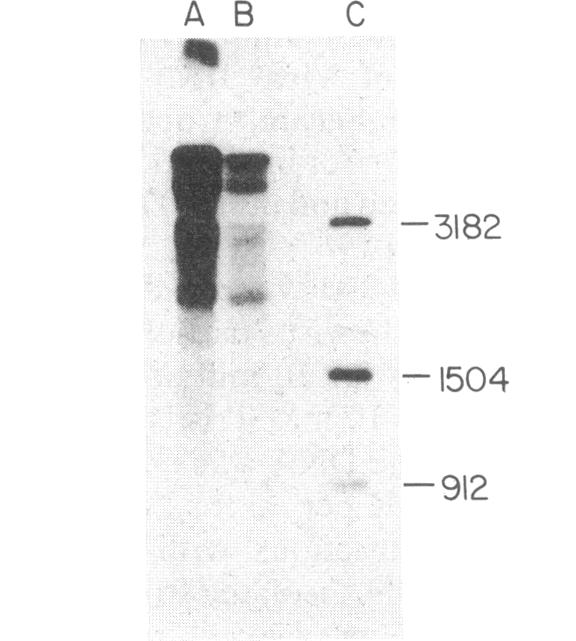
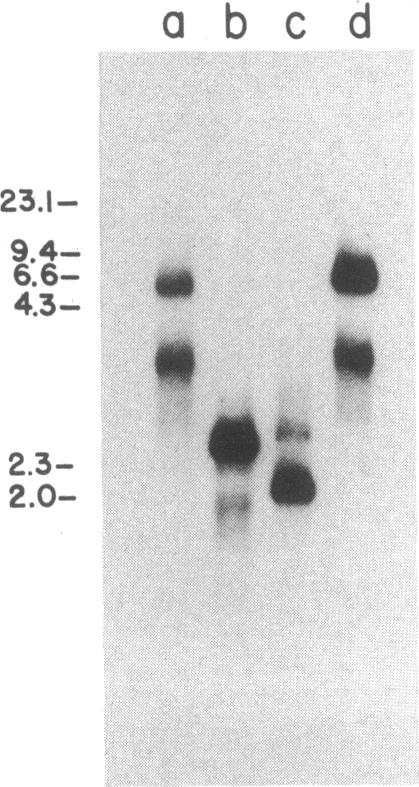
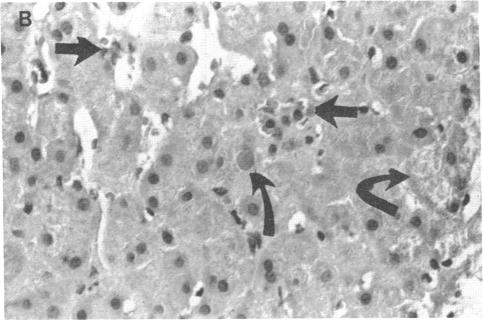
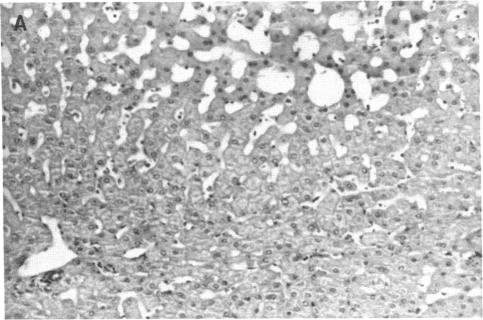
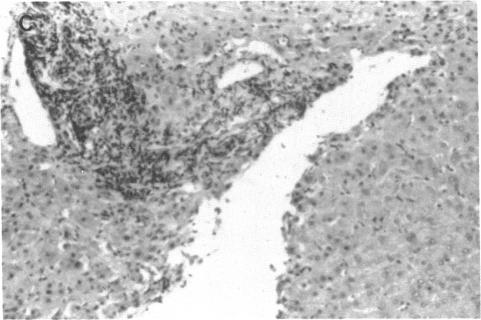
We have reported that clonal cells derived from Hep G2 cells transfected with a plasmid containing hepatitis B virus (HBV) DNA secrete spherical and filamentous forms of hepatitis B surface antigen (HBsAg), core particles, and virions into the culture medium. Here we describe the development of typical hepatitis in two chimpanzees following intravenous inoculation with the medium in which the transfected cells had grown. The liver biopsies from these animals showed characteristic lesions in parenchyma and portal tracts, more conspicuous at an earlier time in the chimpanzee that had received a greater number of virions. The amount of HBsAg in the serum of one infected chimpanzee increased with time after the initial inoculation and then decreased concomitantly with the appearance of antibodies against HBsAg and core antigens. HBsAg remained detectable in the other animal throughout the course of the experiment. The levels of hepatitis B "e" antigen in both animals peaked at week 5, signifying the acute phase of the infection. The activities of serum enzymes that are markers for necroinflammation also increased. The hepatitis HBsAg subtype of the virions isolated from the patient whose DNA was cloned and then used for transfection of the Hep G2 cells was the same as that found in the chimpanzees. Furthermore, the restriction enzyme analysis of the viral DNA isolated from the chimpanzees was identical to the cloned DNA. Thus, HBV DNA-transfected Hep G2 cells can support the replication of virions that, in turn, produce hepatitis in chimpanzees.
我们曾报道,用含乙型肝炎病毒(HBV)DNA的质粒转染Hep G2细胞后获得的克隆细胞,可将球形和丝状的乙型肝炎表面抗原(HBsAg)、核心颗粒及病毒粒子分泌到培养基中。在此,我们描述了两只黑猩猩经静脉接种转染细胞生长过的培养基后出现典型肝炎的情况。这些动物的肝脏活检显示,实质和汇管区有特征性病变,在接种较多病毒粒子的黑猩猩中,病变在早期更为明显。一只受感染黑猩猩血清中的HBsAg量在初次接种后随时间增加,随后随着抗HBsAg和核心抗原抗体的出现而下降。在整个实验过程中,另一只动物的HBsAg始终可检测到。两只动物的乙型肝炎“e”抗原水平在第5周达到峰值,表明处于感染急性期。作为坏死性炎症标志物的血清酶活性也升高。从其DNA被克隆并用于转染Hep G2细胞的患者体内分离出的病毒粒子的HBsAg亚型,与在黑猩猩中发现的相同。此外,从黑猩猩中分离出的病毒DNA的限制性酶切分析与克隆DNA相同。因此,HBV DNA转染的Hep G2细胞能够支持病毒粒子的复制,而这些病毒粒子反过来会在黑猩猩中引发肝炎。