Kang Ji Yeon, Kim Han-Na, Chang Yoosoo, Yun Yeojun, Ryu Seungho, Shin Hocheol, Kim Hyung-Lae
Department of Nuclear Medicine, Kangbuk Samsung Hospital, Sungkyunkwan University School of Medicine, Seoul, South Korea.
Department of Biochemistry, Ewha Womans University, School of Medicine, 1071, Anyangcheon-ro, Yangcheon-gu, Seoul, 07985, South Korea.
EJNMMI Res. 2017 Aug 31;7(1):72. doi: 10.1186/s13550-017-0318-8.
We investigated the association between physiologic bowel FDG uptake and gut microbiota. FDG uptake in the normal large and small intestine is widely variable both in distribution and intensity. The etiology of physiologic bowel F-FDG activity remains unknown.
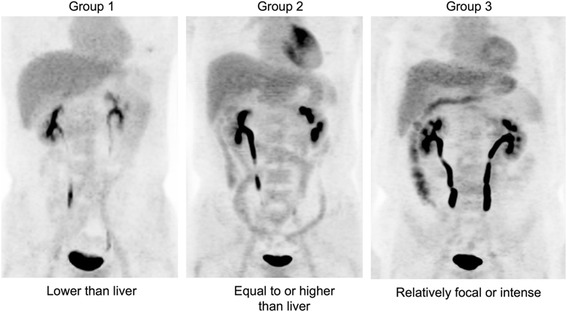
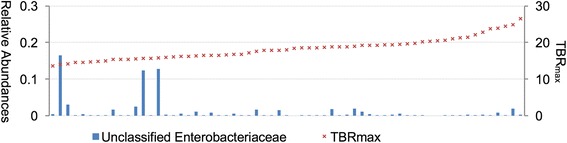
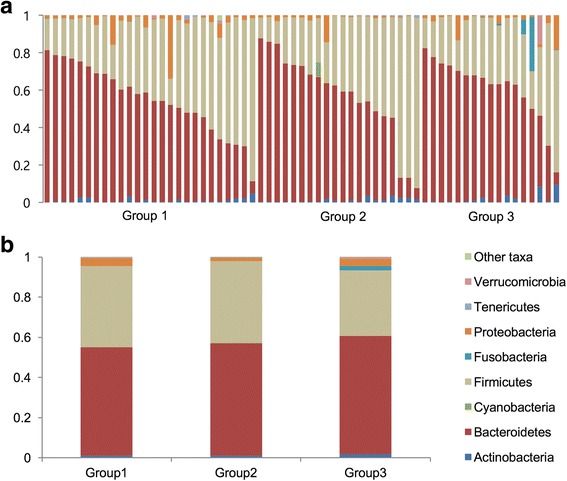
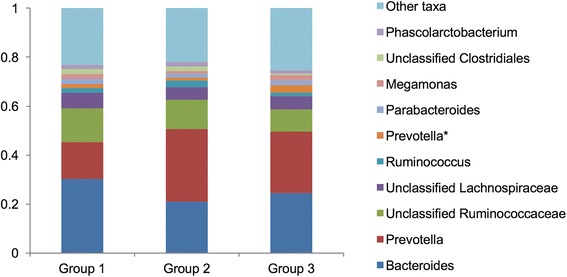
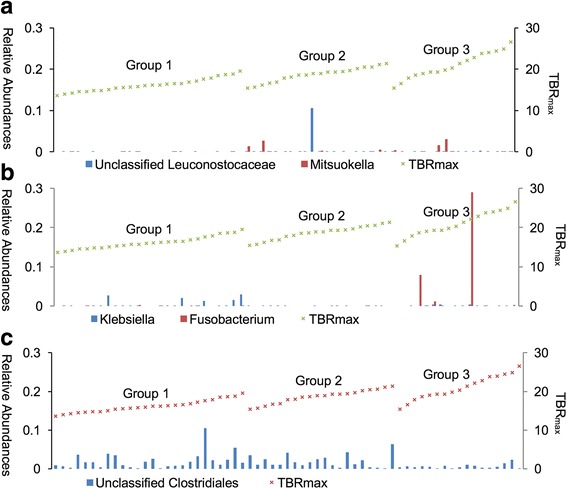
We included 63 healthy male subjects. After overnight fasting, blood samples and F-FDG PET/CT scans were taken. Fecal samples were collected, and gut microbiota were analyzed by 16S rRNA gene-pyrosequencing. The physiologic bowel FDG uptake was classified into three groups by visual assessment and measured using the maximum and mean standardized uptake value. We used the total bowel to liver uptake ratio (TBR and TBR). There was no significant difference in age, BMI, or lipid profiles between groups. To identify specific microbial taxa associated with the bowel FDG uptake while accounting for age and BMI, we performed a generalized linear model. At the genus level, the group with focal or intense FDG uptake in the intestine was associated with low abundance of unclassified Clostridiales. The group with intestinal FDG uptake lower than the liver was associated with high abundance of Klebsiella. TBR and TBR were negatively associated with abundance of unclassified Enterobacteriaceae.
We cautiously speculate that physiologic bowel FDG activity might be caused by an increase in intestinal permeability and may reflect an impaired barrier function in the intestine.
我们研究了生理性肠道氟代脱氧葡萄糖(FDG)摄取与肠道微生物群之间的关联。正常大小肠的FDG摄取在分布和强度上差异很大。生理性肠道F-FDG活性的病因仍不清楚。
我们纳入了63名健康男性受试者。禁食过夜后,采集血样并进行F-FDG PET/CT扫描。收集粪便样本,并通过16S rRNA基因焦磷酸测序分析肠道微生物群。通过视觉评估将生理性肠道FDG摄取分为三组,并使用最大和平均标准化摄取值进行测量。我们使用全肠道与肝脏摄取比值(TBR和TBR)。各组之间在年龄、体重指数或血脂谱方面没有显著差异。为了在考虑年龄和体重指数的同时确定与肠道FDG摄取相关的特定微生物分类群,我们进行了广义线性模型分析。在属水平上,肠道中FDG摄取呈局灶性或高强度的组与未分类梭菌目的低丰度相关。肠道FDG摄取低于肝脏的组与克雷伯菌的高丰度相关。TBR和TBR与未分类肠杆菌科的丰度呈负相关。
我们谨慎推测,生理性肠道FDG活性可能是由肠道通透性增加引起的,可能反映了肠道屏障功能受损。