Department of Biological Sciences, San Jose State University, California, United States.
Department of Bioengineering and Therapeutic Sciences, University of California San Francisco, San Francisco, United States.
Elife. 2017 Sep 5;6:e23770. doi: 10.7554/eLife.23770.
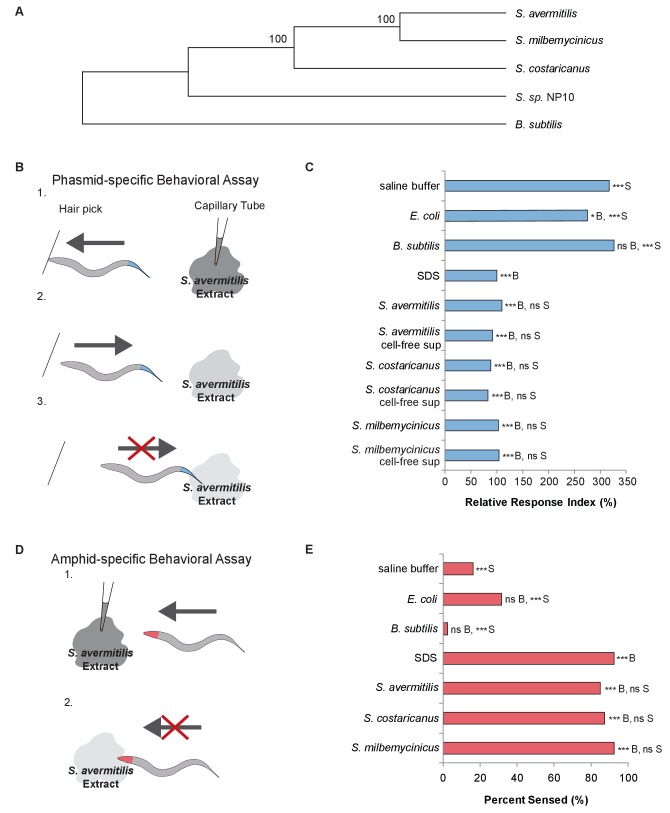
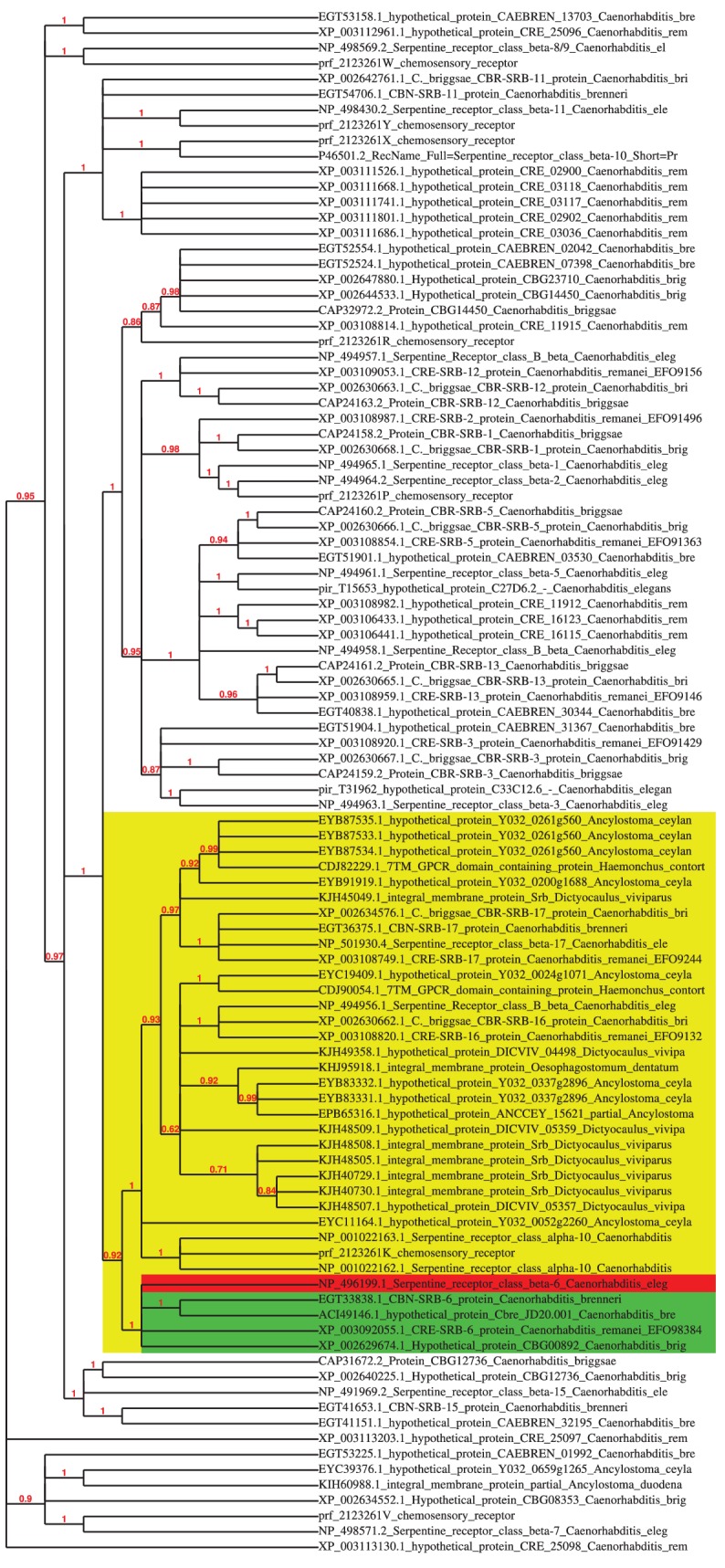
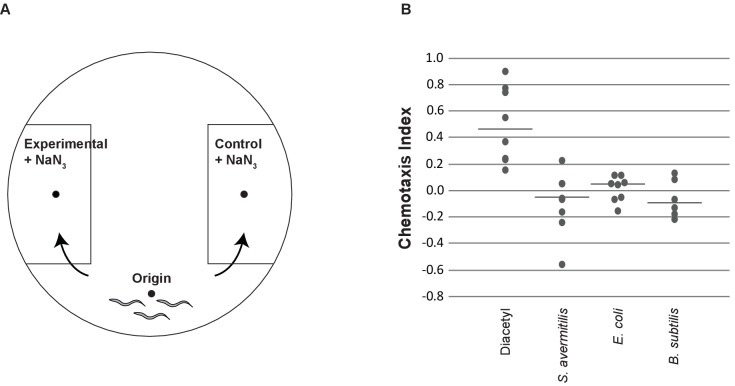
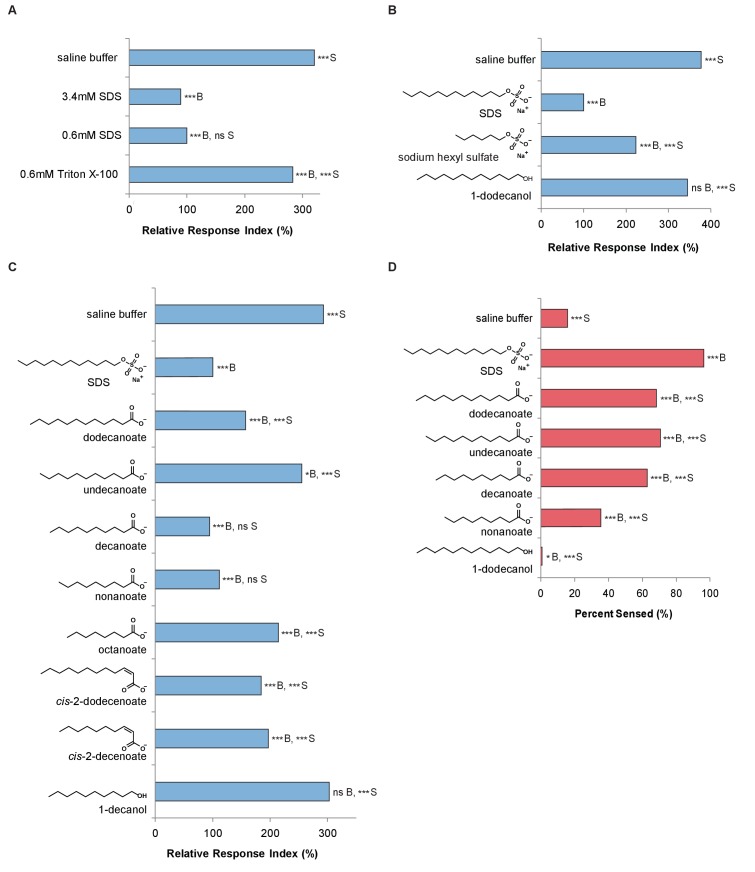
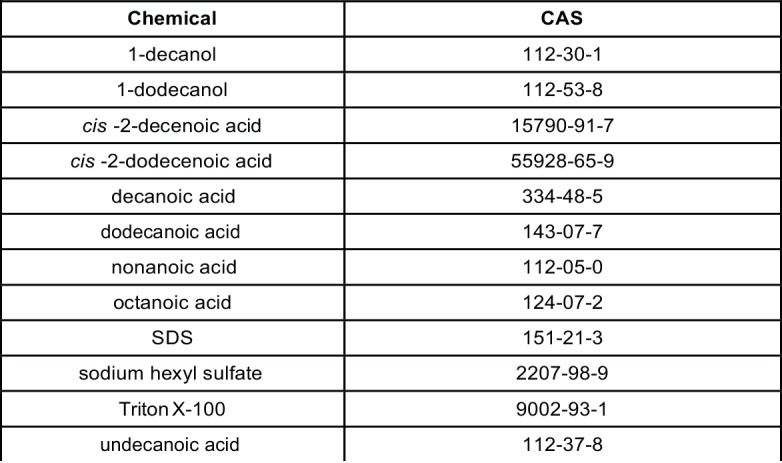
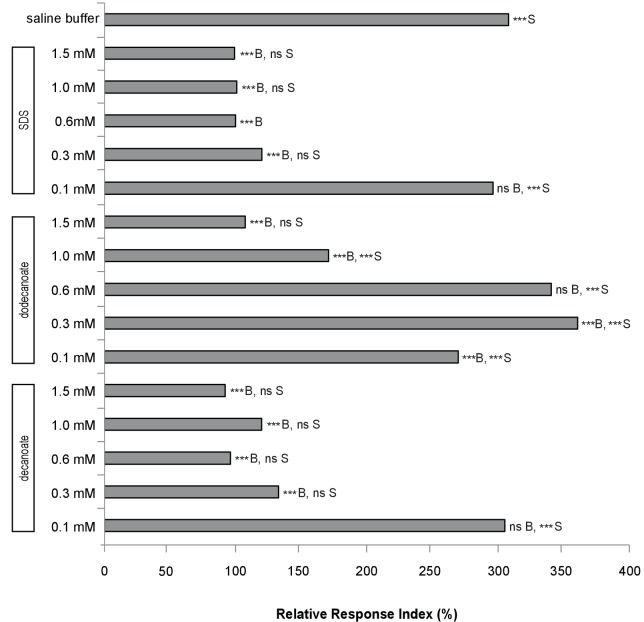
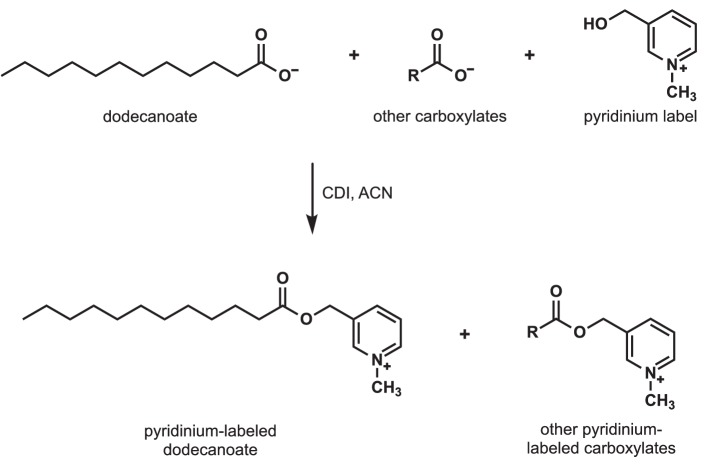
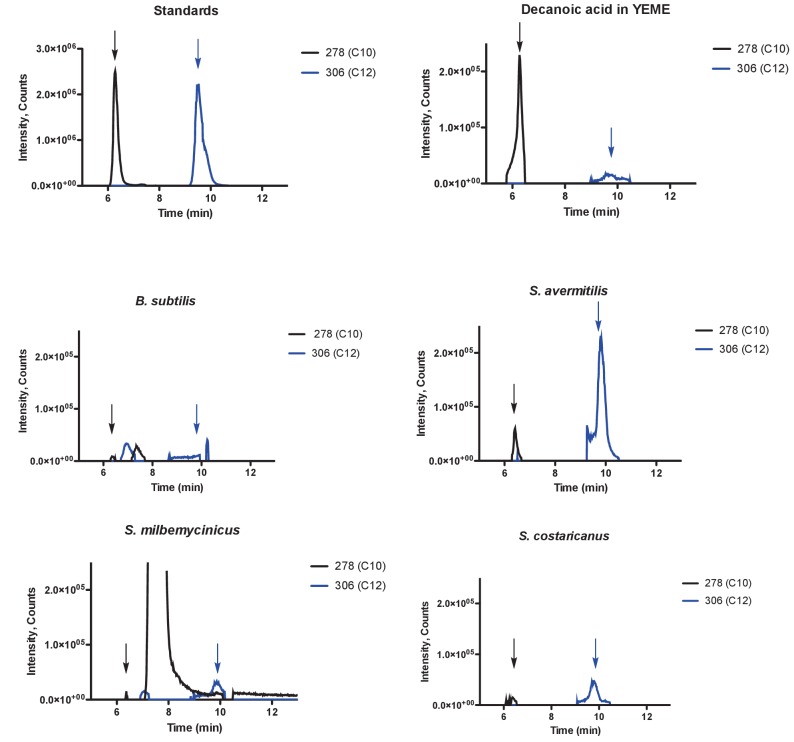
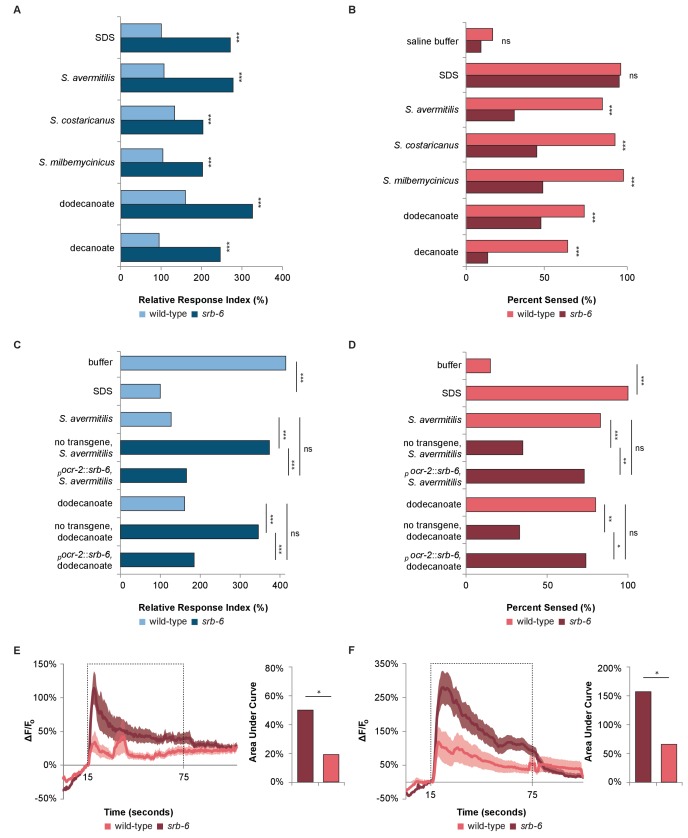
Predators and prey co-evolve, each maximizing their own fitness, but the effects of predator-prey interactions on cellular and molecular machinery are poorly understood. Here, we study this process using the predator and the bacterial prey which have evolved a powerful defense: the production of nematicides. We demonstrate that upon exposure to at their head or tail, nematodes display an escape response that is mediated by bacterially produced cues. Avoidance requires a predicted G-protein-coupled receptor, SRB-6, which is expressed in five types of amphid and phasmid chemosensory neurons. We establish that species of secrete dodecanoic acid, which is sensed by SRB-6. This behavioral adaptation represents an important strategy for the nematode, which utilizes specialized sensory organs and a chemoreceptor that is tuned to recognize the bacteria. These findings provide a window into the molecules and organs used in the coevolutionary arms race between predator and potential prey.
捕食者和猎物共同进化,各自最大限度地提高自身适应性,但捕食者-猎物相互作用对细胞和分子机制的影响还知之甚少。在这里,我们使用捕食者 和细菌猎物 来研究这个过程,它们进化出了强大的防御机制:产生杀线虫剂。我们证明,当线虫的头部或尾部暴露于 时,它们会表现出一种逃避反应,这种反应是由细菌产生的信号介导的。回避需要一种预测的 G 蛋白偶联受体 SRB-6,它在五种类型的触角和 phasmid 化学感觉神经元中表达。我们确定了 种分泌十二烷酸,SRB-6 可以感知到这种酸。这种行为适应是线虫的一个重要策略,它利用了专门的感觉器官和一种化学感受器来识别细菌。这些发现为捕食者和潜在猎物之间的共同进化军备竞赛中使用的分子和器官提供了一个窗口。