Genschow Oliver, van Den Bossche Sofie, Cracco Emiel, Bardi Lara, Rigoni Davide, Brass Marcel
Social Cognition Center Cologne, University of Cologne, Cologne, Germany.
Department of Data Analysis, Ghent University, Ghent, Belgium.
PLoS One. 2017 Sep 6;12(9):e0183784. doi: 10.1371/journal.pone.0183784. eCollection 2017.
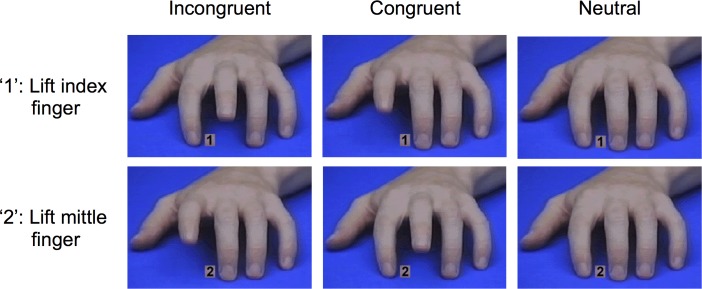
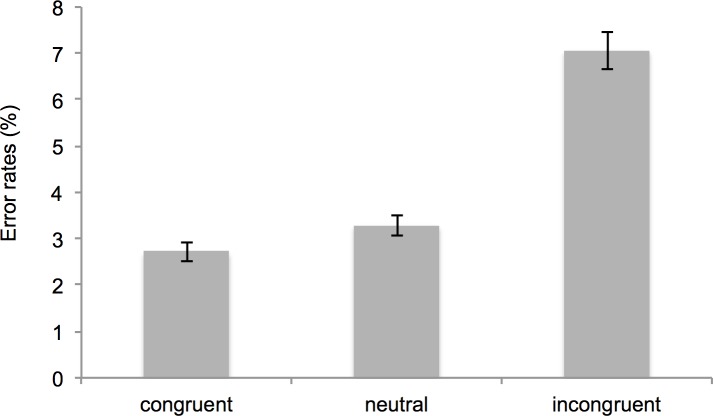
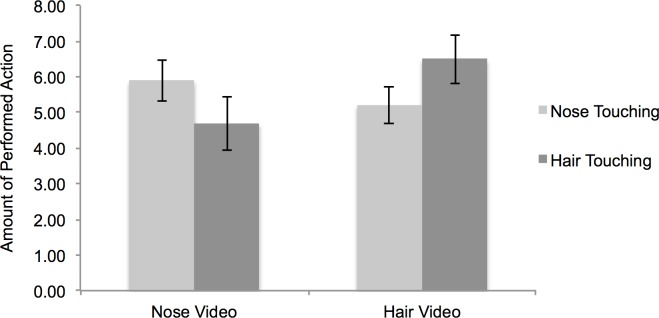
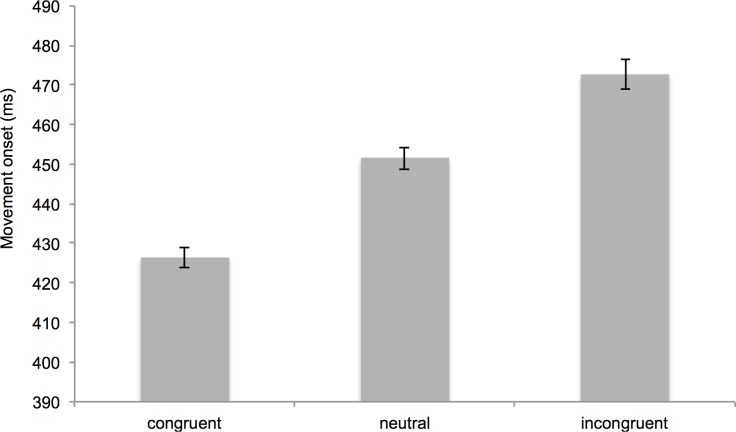
It is widely known that individuals have a tendency to imitate each other. However, different psychological disciplines assess imitation in different manners. While social psychologists assess mimicry by means of action observation, cognitive psychologists assess automatic imitation with reaction time based measures on a trial-by-trial basis. Although these methods differ in crucial methodological aspects, both phenomena are assumed to rely on similar underlying mechanisms. This raises the fundamental question whether mimicry and automatic imitation are actually correlated. In the present research we assessed both phenomena and did not find a meaningful correlation. Moreover, personality traits such as empathy, autism traits, and traits related to self- versus other-focus did not correlate with mimicry or automatic imitation either. Theoretical implications are discussed.
众所周知,个体有相互模仿的倾向。然而,不同的心理学学科以不同的方式评估模仿。社会心理学家通过动作观察来评估模仿行为,而认知心理学家则在逐次试验的基础上,通过基于反应时间的测量方法来评估自动模仿。尽管这些方法在关键的方法论方面存在差异,但这两种现象都被认为依赖于相似的潜在机制。这就提出了一个基本问题,即模仿和自动模仿是否真的相关。在本研究中,我们对这两种现象进行了评估,并未发现有意义的相关性。此外,诸如同理心、自闭症特质以及与自我关注和他人关注相关的特质等人格特质,也与模仿或自动模仿无关。我们还讨论了其理论意义。