Short John D, Tavakoli Sina, Nguyen Huynh Nga, Carrera Ana, Farnen Chelbee, Cox Laura A, Asmis Reto
Department of Pharmacology, The University of Texas Health Science Center at San Antonio, San Antonio, TX, United States.
Department of Radiology, The University of Texas Health Science Center at San Antonio, San Antonio, TX, United States.
Front Immunol. 2017 Aug 22;8:958. doi: 10.3389/fimmu.2017.00958. eCollection 2017.
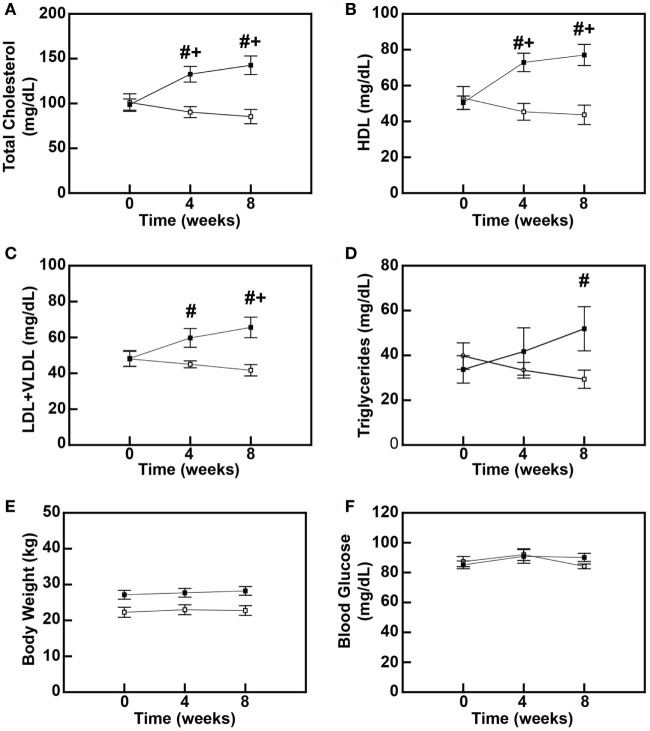
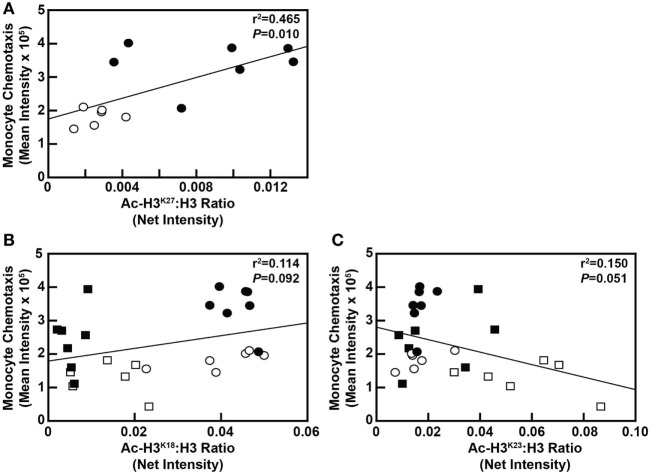
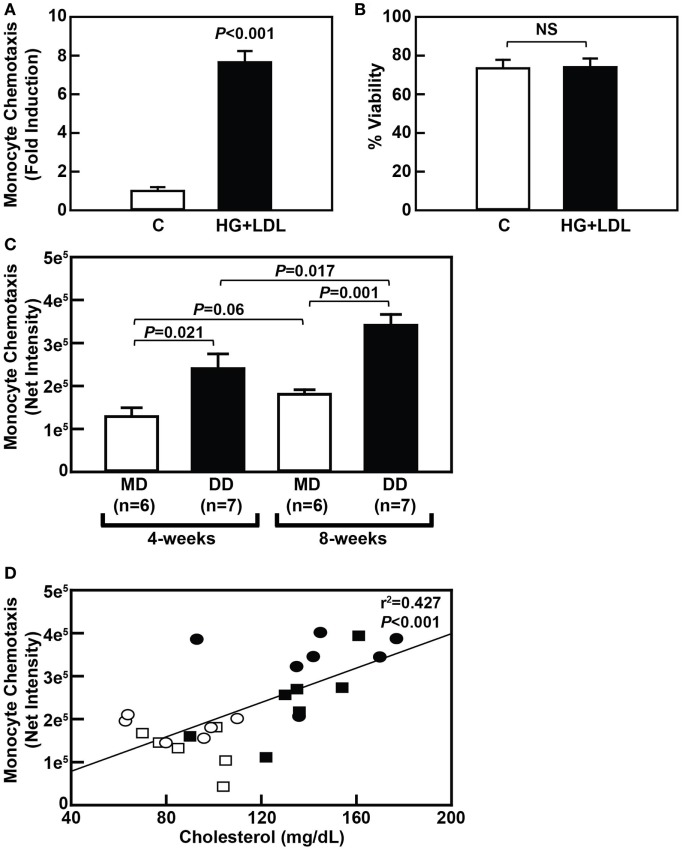
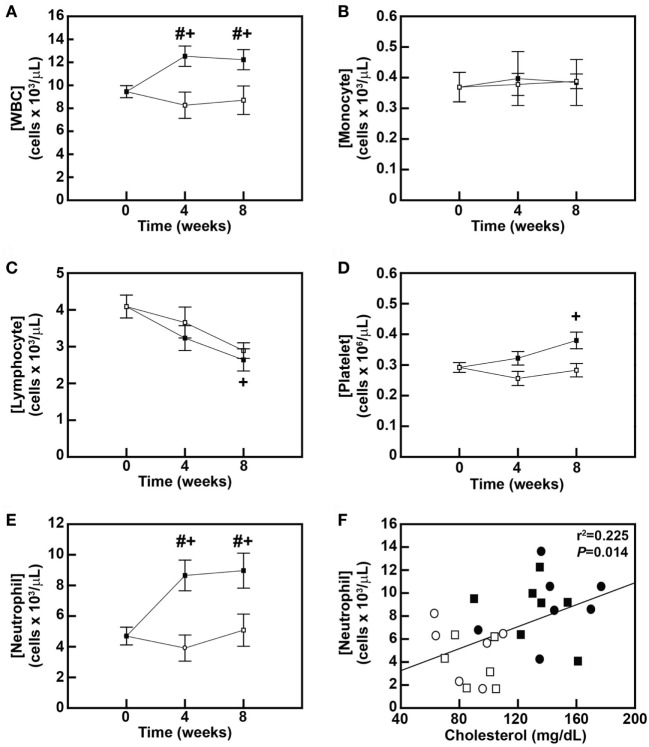
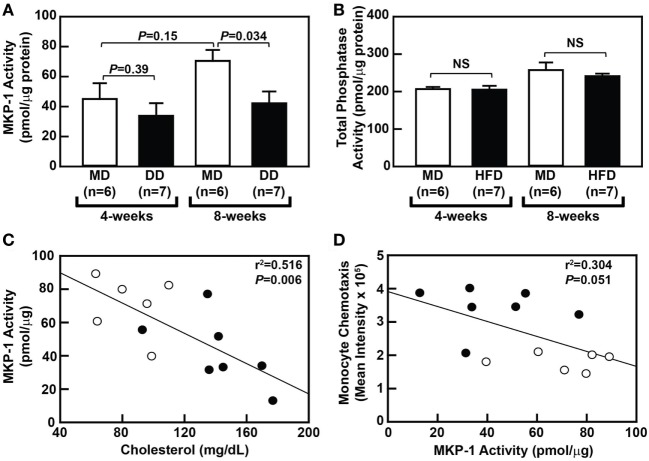
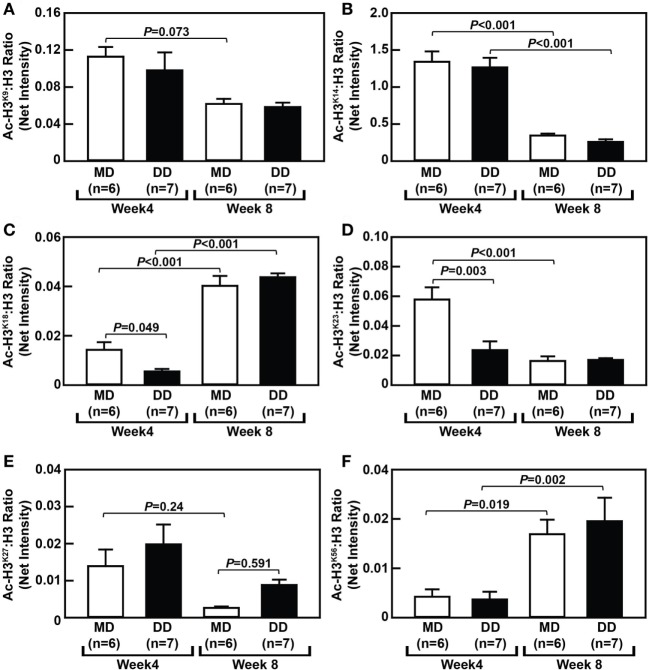
Monocytes and the recruitment of monocyte-derived macrophages into sites of inflammation play a key role in atherogenesis and other chronic inflammatory diseases linked to cardiometabolic syndrome and obesity. Previous studies from our group have shown that metabolic stress promotes monocyte priming, i.e., enhanced adhesion and accelerated chemotaxis of monocytes in response to chemokines, both and in dyslipidemic LDLR mice. We also showed that metabolic stress-induced monocyte dysfunction is, at least to a large extent caused by the -glutathionylation, inactivation, and subsequent degradation of mitogen-activated protein kinase phosphatase 1. Here, we analyzed the effects of a Western-style, dyslipidemic diet (DD), which was composed of high levels of saturated fat, cholesterol, and simple sugars, on monocyte (dys)function in non-human primates (NHPs). We found that similar to mice, a DD enhances monocyte chemotaxis in NHP within 4 weeks, occurring concordantly with the onset of hypercholesterolemia but prior to changes in triglycerides, blood glucose, monocytosis, or changes in monocyte subset composition. In addition, we identified transitory decreases in the acetylation of histone H3 at the lysine residues 18 and 23 in metabolically primed monocytes, and we found that monocyte priming was correlated with the acetylation of histone H3 at lysine 27 after an 8-week DD regimen. Our data show that metabolic stress promotes monocyte priming and hyper-chemotactic responses in NHP. The histone modifications accompanying monocyte priming in primates suggest a reprogramming of the epigenetic landscape, which may lead to dysregulated responses and functionalities in macrophages derived from primed monocytes that are recruited to sites of inflammation.
单核细胞以及单核细胞衍生的巨噬细胞募集到炎症部位在动脉粥样硬化形成以及与心脏代谢综合征和肥胖相关的其他慢性炎症性疾病中起关键作用。我们团队之前的研究表明,代谢应激会促进单核细胞致敏,即单核细胞对趋化因子的黏附增强和趋化作用加速,在高脂血症低密度脂蛋白受体(LDLR)缺陷小鼠以及其他模型中均是如此。我们还表明,代谢应激诱导的单核细胞功能障碍至少在很大程度上是由丝裂原活化蛋白激酶磷酸酶1的谷胱甘肽化、失活以及随后的降解所致。在此,我们分析了由高水平饱和脂肪、胆固醇和单糖组成的西式高脂血症饮食(DD)对非人类灵长类动物(NHP)单核细胞(功能异常)的影响。我们发现,与小鼠类似,DD在4周内增强了NHP的单核细胞趋化作用,这与高胆固醇血症的发作同时发生,但早于甘油三酯、血糖、单核细胞增多症或单核细胞亚群组成的变化。此外,我们发现代谢致敏单核细胞中赖氨酸残基18和23处的组蛋白H3乙酰化出现短暂下降,并且我们发现经过8周的DD饮食方案后,单核细胞致敏与赖氨酸27处的组蛋白H3乙酰化相关。我们的数据表明,代谢应激会促进NHP中的单核细胞致敏和高趋化反应。灵长类动物单核细胞致敏过程中伴随的组蛋白修饰表明表观遗传格局发生了重编程,这可能导致募集到炎症部位的致敏单核细胞衍生的巨噬细胞反应失调和功能异常。