Department of Psychiatry and Behavioral Neurosciences, McMaster University, Psychology Building Rm. 303, 1280 Main St., West Hamilton, ON, L8S 4K1, Canada.
Faculty of Biology, University of Belgrade, Belgrade, Serbia.
Acta Neuropathol Commun. 2017 Sep 7;5(1):70. doi: 10.1186/s40478-017-0473-1.
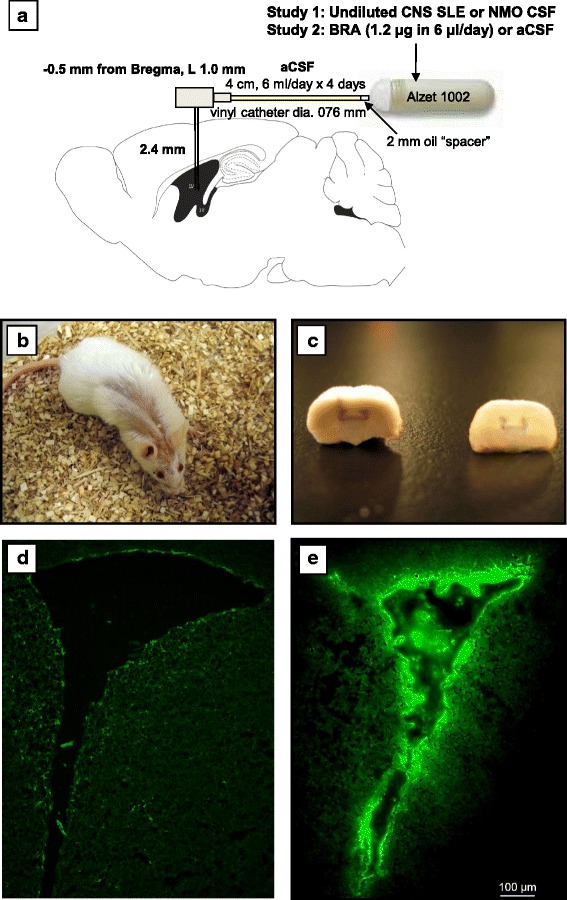
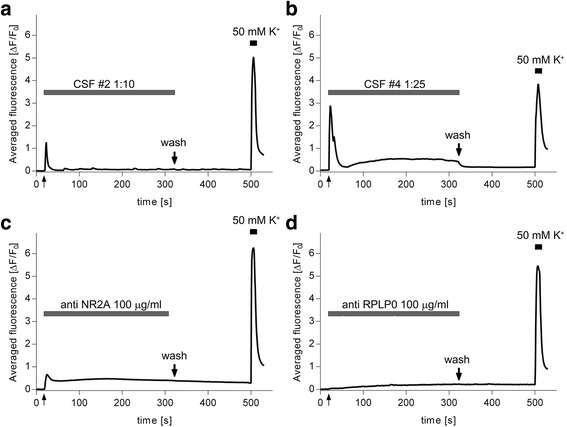
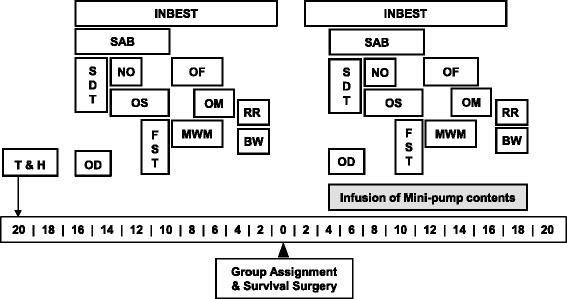
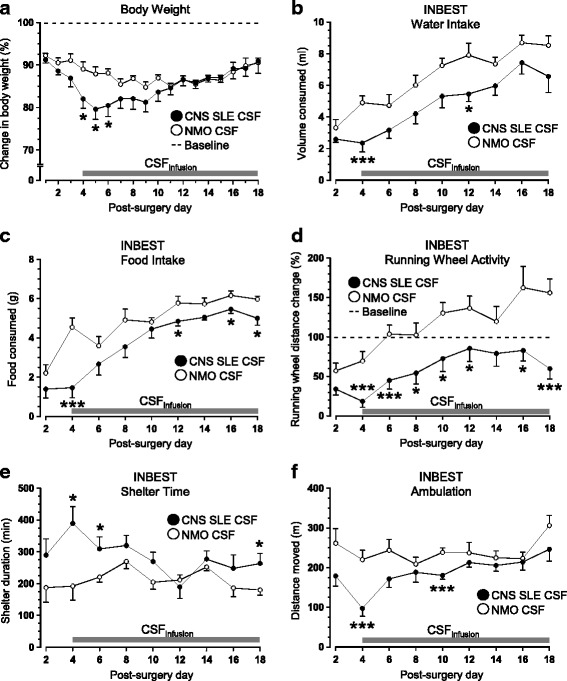
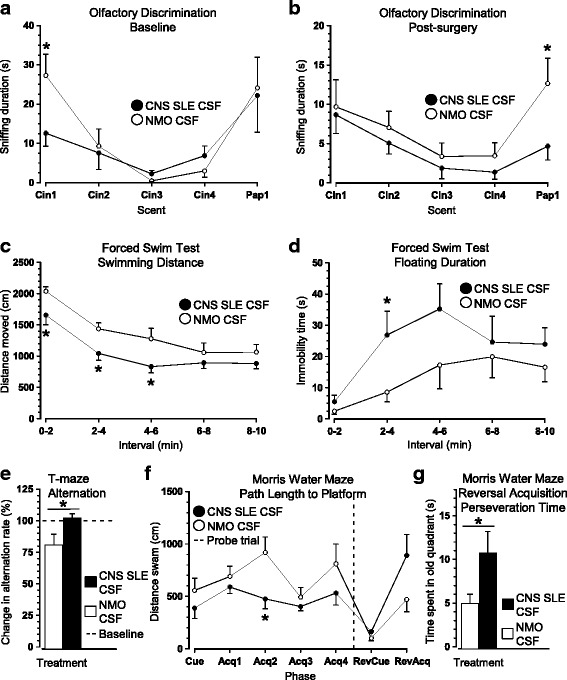
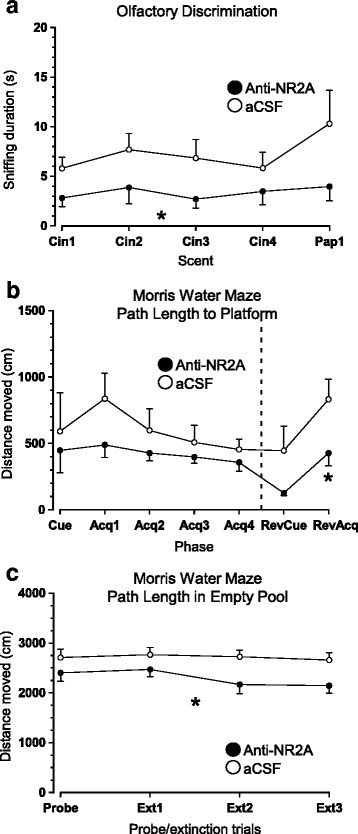
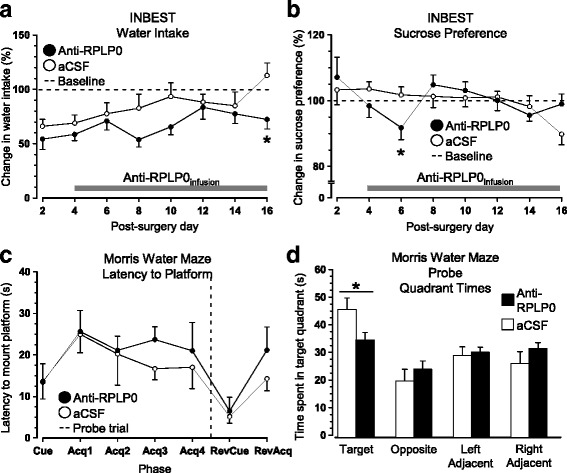
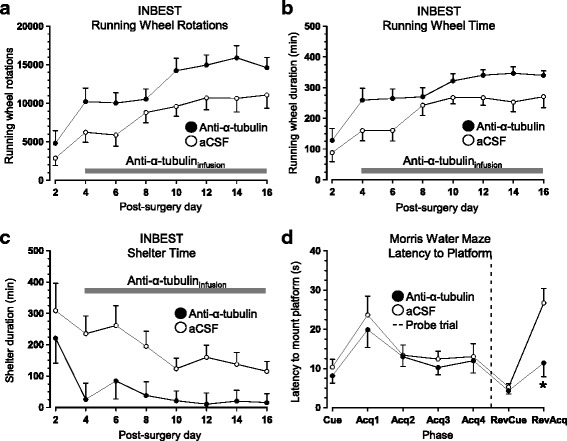
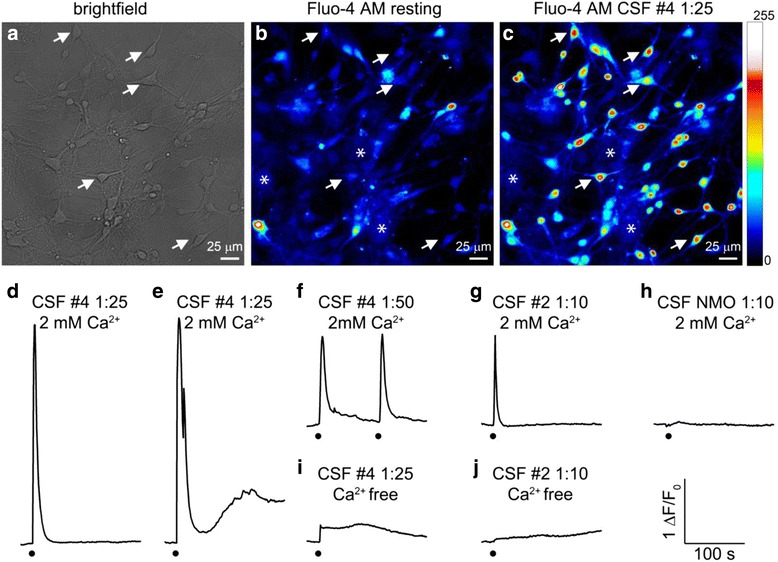
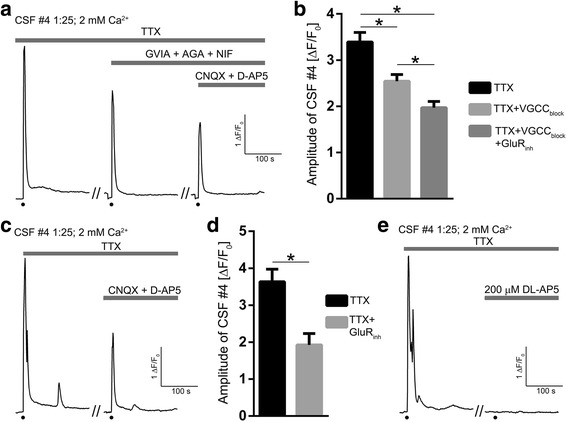
Systemic lupus erythematosus (SLE) is a potentially fatal autoimmune disease that is often accompanied by brain atrophy and diverse neuropsychiatric manifestations of unknown origin. More recently, it was observed that cerebrospinal fluid (CSF) from patients and lupus-prone mice can be neurotoxic and that acute administration of specific brain-reactive autoantibodies (BRAs) can induce deficits in isolated behavioral tasks. Given the chronic and complex nature of CNS SLE, the current study examines broad behavioral performance and neuronal Ca signaling in mice receiving a sustained infusion of cerebrospinal fluid (CSF) from CNS SLE patients and putative BRAs (anti-NR2A, anti-ribosomal P, and anti-α-tubulin). A 2-week intracerebroventricular (i.c.v.) infusion of CSF altered home-cage behavior and induced olfactory dysfunction, excessive immobility in the forced swim test, and perseveration in a learning task. Conversely, sustained administration of purified BRAs produced relatively mild, both inhibitory and stimulatory effects on olfaction, spatial learning/memory, and home-cage behavior. In vitro studies revealed that administration of some CSF samples induces a rapid influx of extracellular Ca into murine neurons, an effect that could be partially mimicked with the commercial anti-NR2A antibody and blocked with selective N-methyl-D-aspartate (NMDA) receptor antagonists. The current findings confirm that the CSF from CNS SLE patients can be neuroactive and support the hypothesis that intrathecal BRAs induce synergistically diverse effects on all domains of behavior. In addition, anti-NMDA receptor antibodies may alter Ca homeostasis of central neurons, thus accounting for excitotoxicity and contributing to the heterogeneity of psychiatric manifestations in CNS SLE and other autoantibody-related brain disorders.
系统性红斑狼疮(SLE)是一种潜在致命的自身免疫性疾病,常伴有脑萎缩和多种神经精神表现,其病因不明。最近有人观察到,患者和狼疮易感小鼠的脑脊液(CSF)可能具有神经毒性,并且急性给予特定的脑反应性自身抗体(BRAs)可引起孤立行为任务的缺陷。鉴于中枢神经系统 SLE 的慢性和复杂性,本研究在接受中枢神经系统 SLE 患者和假定的 BRAs(抗-NR2A、抗核糖体 P 和抗-α-微管蛋白)持续 CSF 输注的小鼠中检查广泛的行为表现和神经元 Ca 信号。两周的侧脑室(i.c.v.)CSF 输注改变了笼内行为,并引起嗅觉功能障碍、强迫游泳试验中过度不动和学习任务中的坚持。相反,纯化 BRAs 的持续给药对嗅觉、空间学习/记忆和笼内行为产生相对温和的抑制和刺激作用。体外研究表明,一些 CSF 样本的给药会导致鼠神经元细胞外 Ca 快速内流,这种作用可以用商业抗-NR2A 抗体部分模拟,并被选择性 N-甲基-D-天冬氨酸(NMDA)受体拮抗剂阻断。目前的研究结果证实,中枢神经系统 SLE 患者的 CSF 具有神经活性,并支持这样一种假设,即鞘内 BRAs 协同诱导行为的所有领域产生多样化的影响。此外,抗 NMDA 受体抗体可能会改变中枢神经元的 Ca 稳态,从而解释兴奋性毒性,并导致中枢神经系统 SLE 和其他自身抗体相关脑疾病中精神表现的异质性。