Platsidaki Eftychia, Dessinioti Clio
Department of Dermatology, Andreas Syggros Hospital, University of Athens, Athens, Greece.
F1000Res. 2018 Dec 19;7. doi: 10.12688/f1000research.15659.1. eCollection 2018.
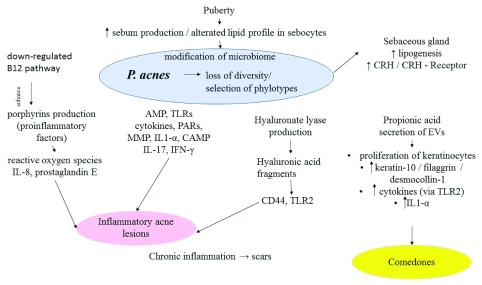
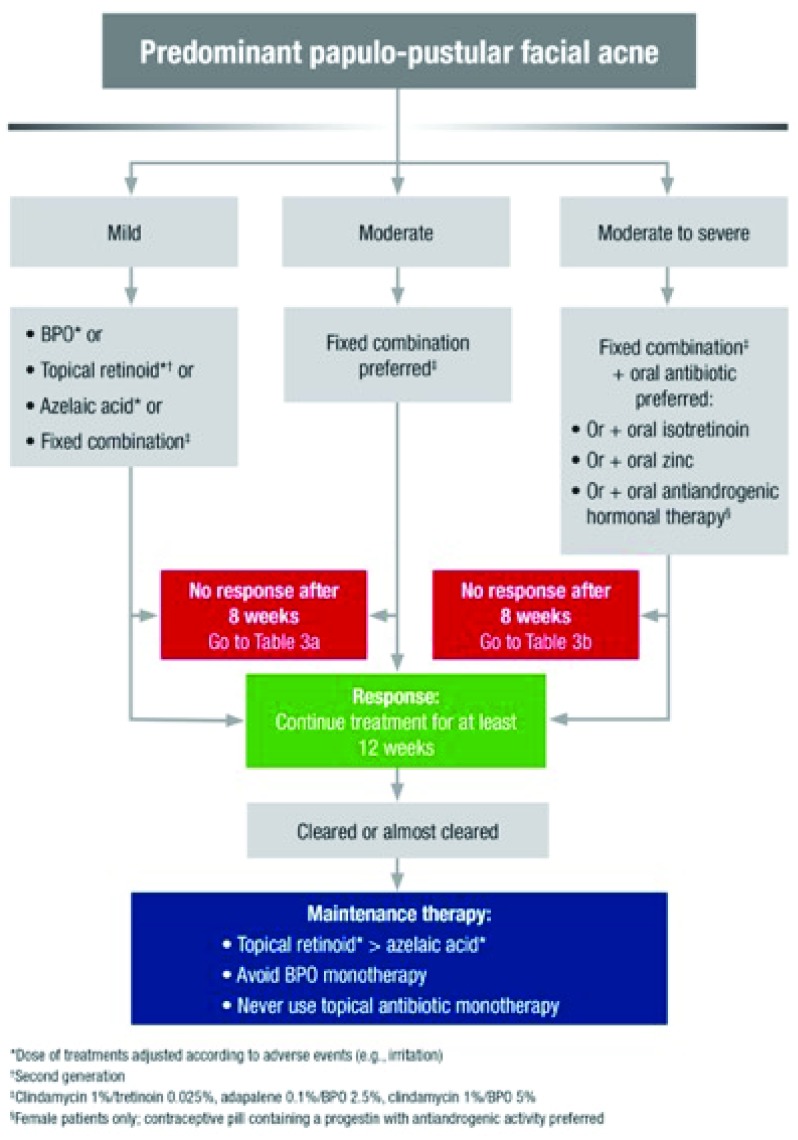
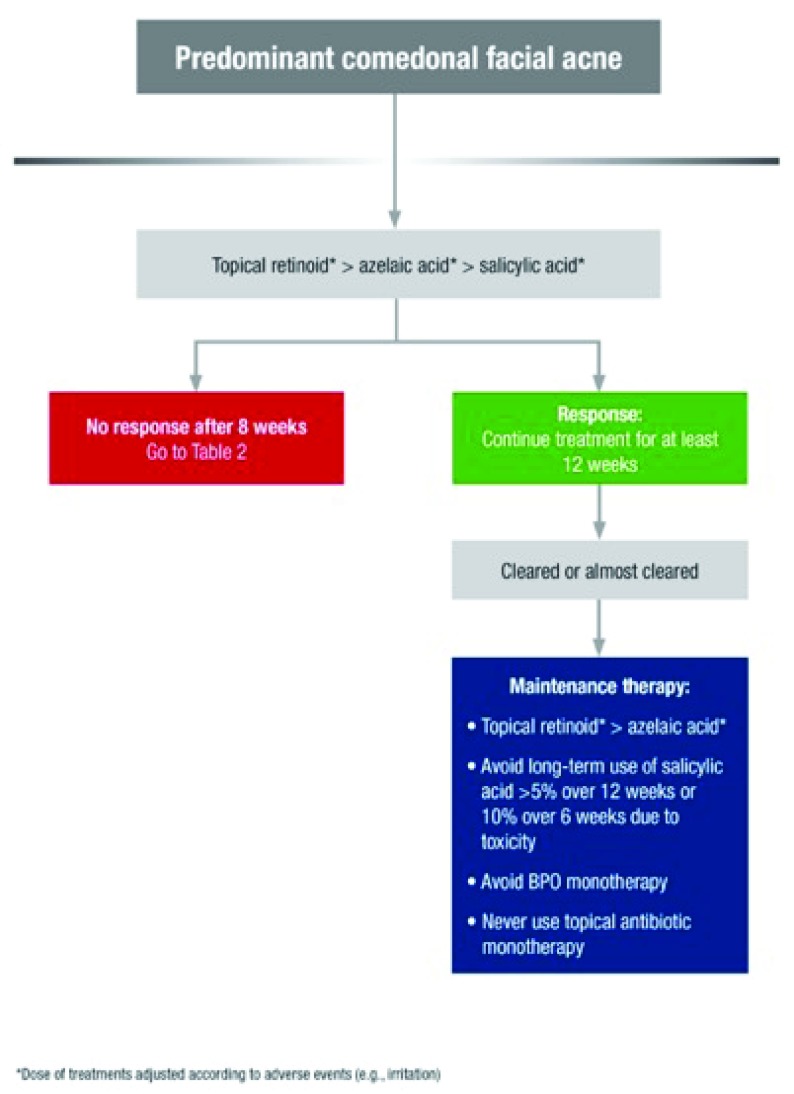
The skin commensal , recently renamed , along with the other major pathophysiological factors of increased seborrhea, hyperkeratinization of the pilosebaceous unit, and inflammation, has long been implicated in the pathogenesis of acne. Recent advances have contributed to our understanding of the role of in acne. Although there are no quantitative differences in of the skin of patients with acne compared with controls, the phylogenic groups display distinct genetic and phenotypic characteristics, biofilms are more frequent in acne, and different phylotypes may induce distinct immune responses in acne. plays a further important role in the homeostasis of the skin's microbiome, interacting with other cutaneous commensal or pathogenic microorganisms such as , , and species. In the era of increasing antimicrobial resistance, the selection of acne treatment targeting and the prevention of antibiotic resistance play a key role in improving outcomes in acne patients and public health.
皮肤共生菌,最近已重新命名,连同皮脂溢出增加、毛囊皮脂腺单位角化过度和炎症等其他主要病理生理因素,长期以来一直被认为与痤疮的发病机制有关。最近的进展有助于我们了解其在痤疮中的作用。虽然与对照组相比,痤疮患者皮肤中的[具体共生菌]数量没有定量差异,但[具体共生菌]的系统发育组显示出不同的遗传和表型特征,[具体共生菌]生物膜在痤疮中更常见,不同的系统发育型可能在痤疮中诱导不同的免疫反应。[具体共生菌]在皮肤微生物群的稳态中发挥着进一步的重要作用,与其他皮肤共生菌或致病微生物如[列举的微生物]相互作用。在抗菌耐药性不断增加的时代,针对[具体共生菌]的痤疮治疗选择和抗生素耐药性的预防在改善痤疮患者的治疗效果和公共卫生方面起着关键作用。
需注意,原文中部分关键信息缺失(如具体的皮肤共生菌名称等),翻译可能存在一定局限性。